Learn the Big 5 environmental compliance items a concrete plant should be on top of.
When it comes to running a concrete plant, regardless of the kind or location, staying on top of environmental regulations isn't usually a top priority. With an emphasis on selling product, keeping trucks moving, and making sure your staff is safe in the yard & on the road, "environmental" issues often simply aren't a top priority.
Unfortunately, this means many concrete plants across the country can easily find themselves in a precarious position - being out of compliance with environmental regulations, which can have a very real, and very detrimental impact on your operation.
While you might not want to or need to become an expert on everything environmental, here's a quick intro into what we consider the BIG 5 when it comes to environmental regulatory compliance at a concrete plant within the United States.
Concrete Plant Environmental Experts
First off, before we dive into things you might be wondering who are we and why should you listen to us. Here's a quick primer - since 1992, we've been actively involved in the concrete, asphalt, recycling, and mining/quarrying industries across the United States. We've been on-site at small mom & pop plants, to sprawling quarries. We've also been extremely involved in trade groups such as NAPA, NRMCA, NSSGA, and more state associations than we can name, providing services to committees, advocacy, and training subgroups within these associations.
On top of that, we've helped with everything from local approvals to federal regulations. We've seen it all, and done it all. And we are also the primary instructors of NRMCA's Environmental Short Course every year.
We get your industry, and we know the regulations. Ok, let's touch on the big 5!
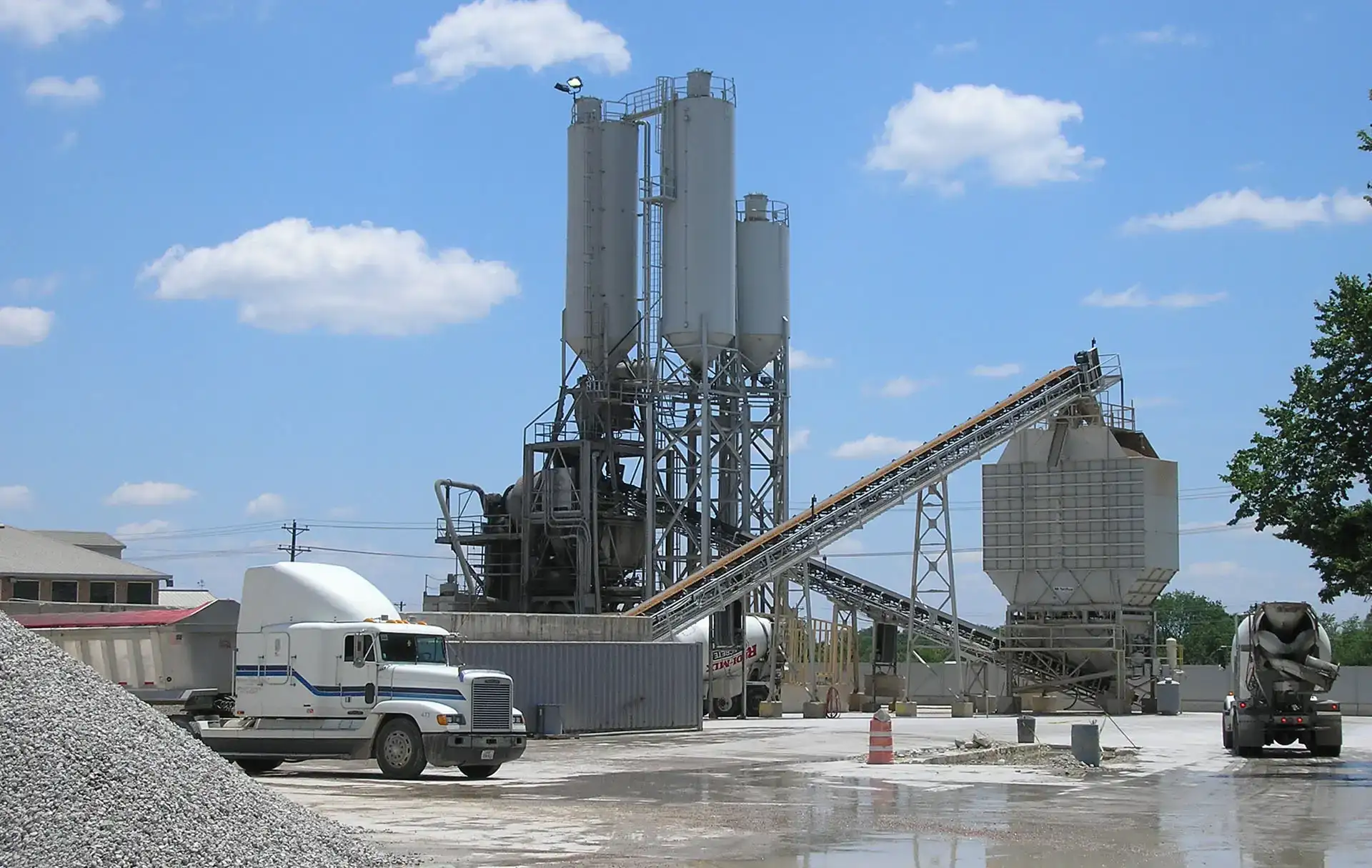
1 - Concrete Plants & NPDES Stormwater Permits
By and large, the concrete industry has figured out how to handle process water. We usually find our clients aren't having an issue with it so much as with stormwater.
Specifically, we find that facilities struggle to stay in compliance with their NPDES stormwater permits, oftentimes resulting in violations, including fines.
We initially recommend to every client out there a relatively simple concept: best management practices. I'm referring to basic housekeeping. Sweeping your facility, getting trash off the ground (give your employees some garbage cans and tell them to stop littering, including cigarette butts), cleaning up oil spills or leaks, etc. Also, make sure you're conducting your monthly inspections to keep an eye on your facility. Make sure the person or people taking your samples have been through stormwater training.
Of course, this all is assuming your facility has a stormwater permit. If you don't, you could be in some serious trouble. Your concrete facility absolutely needs to have a stormwater permit (with very few exceptions). Across the US, virtually every state has specifically discussed (within regulations) the need for concrete plants, especially ready-mix concrete plants, to have and operate under an NPDES stormwater permit.
2 - SPCC Plans for Oil/Petroleum at Concrete Plants
This is a simple but often overlooked regulatory requirement since it's administered by the USEPA which does a pretty poor job of educating on and enforcing this regulation.
Concrete plants either need one or don't, and you can tell quickly if you count up all the above-ground oil tanks on site, 55 gallons and above. Add up all the storage potential you have (including empty tanks, the EPA counts empty tanks & drums as full so if they're empty and unused, get them offsite)! If you have over 1,320 gallons, you need an SPCC Plan. If you have underground tanks in excess of 42,000 gallons, then you need one as well.
SPCC Plans are simple. They're an emergency book to discuss the oil you have on-site, how you handle, inspect, and take care of your tanks, and what you would do in case of an accident, or emergency. You have to do monthly inspections, and receive annual SPCC training, and that's pretty much it.
Even though I just said the USEPA does a poor job of enforcing these regulations, it's extremely common for states, counties, or even local municipalities, to require proof of an SPCC Plan as part of the planning, permitting, or approval process for other state & local regulations. So just because you've never seen an EPA inspector doesn't mean your local or state environmental agency won't ask to see it.
3 - Concrete Plants Usually Need Air Permits
Here's one of the more complex regulations to stay on top of since it's confusing and changes so much from state to state. Virtually every concrete plant, the equipment on-site, and other various processes/activities will need to have some type of Air Quality Permit covering them.
Air permits can cover everything from construction activities before the plant even begins to operate, to things like conveyors, bag houses, engines, the list goes on and on. Unlike stormwater permitting which is similar as you look across the country, air permits change drastically, making staying in compliance with them a very tricky thing to do.
Unlike SPCC Plans and NPDES stormwater permits, air permits are generally easier to maintain, it's obtaining them initially which can be a real chore.
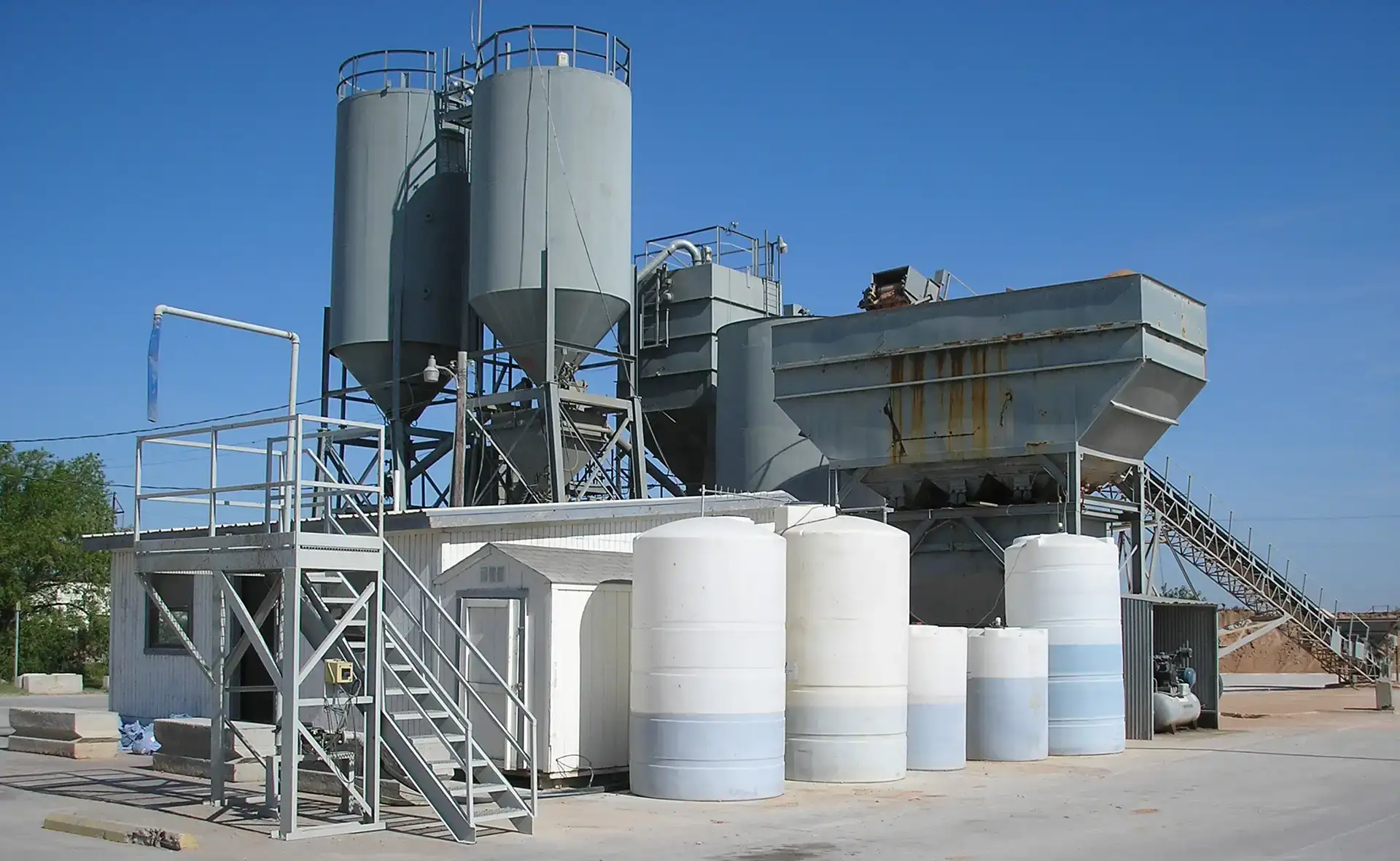
4 - Almost EVERY Concrete Plant Should be Doing Tier II Reporting
The best thing about the concrete industry is you get to meet a lot of great people. I've met some folks who are really down-to-earth, giving, and wonderful people to work with. I've come to realize a lot of my contacts at concrete plants really give back whenever they can, including volunteer firefighting for some, which makes this point even easier to understand.
Your facility stores chemicals, oils, and other materials needed for making concrete. Imagine your facility was on fire, and the fire department showed up. They see a dozen tanks, and they don't know what's in them. They're unmarked, so firefighters aren't taking any chances. Would you?
Tier II Reporting (also called Community Right-to-Know, CRTK, or EPCERA Reporting) is basically letting your local government, including town, city, county, and sometimes state, know what you store onsite. The goal is to let emergency responders, as well as your neighbors and community, know what kind of materials are at your facility, to avoid any accidents or problems should something awful happen at your facility.
Tier II Reporting isn't pie-in-the-sky reporting for no reason - It's to keep your employees, surrounding neighbors, and emergency personnel (who may be your employees) safe from the unknown. If you're not doing Tier II Reporting, the violations are stiff, and you'll be in some serious trouble. Not to mention you could really cause some harm to people in case of an emergency - who wants to have to carry that burden??
5 - TRI Reporting for Concrete Plant Releases
TRI stands for Toxic Release Inventory. Surely a concrete plant doesn't release toxins, right? Well sort of. I'm going to assume your operation has an air permit, which allows your facility to discharge a small amount of air pollution (in the form of cement dust from your silos). Well, it's no secret that cement contains some pretty nasty stuff in it, like lead and mercury, even if only in very, very small amounts. The problem is, if you're a large facility, using a lot of cement, over the course of a year a lot of pollution is being released.
The USEPA has a program, called TRI Reporting, in which facilities just tell them how much they estimated they released over the course of 1 year. There's no limits, permits, etc. It's just reporting.
The issue is if you should be reporting, and you're not, the EPA's violations are astounding. I'm talking in the 7 to 8-figure range, easily. We've personally worked with some companies that initially faced fines in the tens of millions of dollars for not reporting at several facilities for several years.
BONUS - Concrete Plants & Forward Thinking Environmental Planning
Staying in compliance is like wearing a seatbelt - it's the bare minimum you're asked to do. For some companies and plants, that's enough, and all you might want to, or need to do to keep making money. However, don't expect a trophy for just participating and playing by the rules!
Conversely, many within the concrete industry (and construction materials at large) are embracing "greener" practices in order to keep themselves ahead of the competition. Whether it's sustainable practices, Environmental Management Systems (such as ISO 14001 or NRCMA's Green-Star (which we helped to write BTW)), or even just staying ahead of new concepts like Environmental Justice, many concrete plants are leaving the competition in the (cement) dust and striking out with some really interesting and forward-thinking ideas. This goes doubly so for those within certain markets (think the Bay Area of California for example) where the "green" movement isn't just a nice idea, it's built into every new and existing project.
If you think going green sounds like a great idea, I encourage you to start with a rock-solid, thorough review of your operations to make sure your foundation is just that - rock-solid! Start off with an environmental audit. Hire some outside help, someone who is impartial, understands your industry, and can deliver a transparent, factual report about where your operations stand, good bad or ugly! Using the results of an environmental audit can help your concrete plant chart a course moving forward, ensuring you aren't missing anything before you start building an environmental program.
So again while this might not be for everyone, for those who are looking to stay ahead of the pack, moving your operations into a greener direction can lead to more green in the bank account!
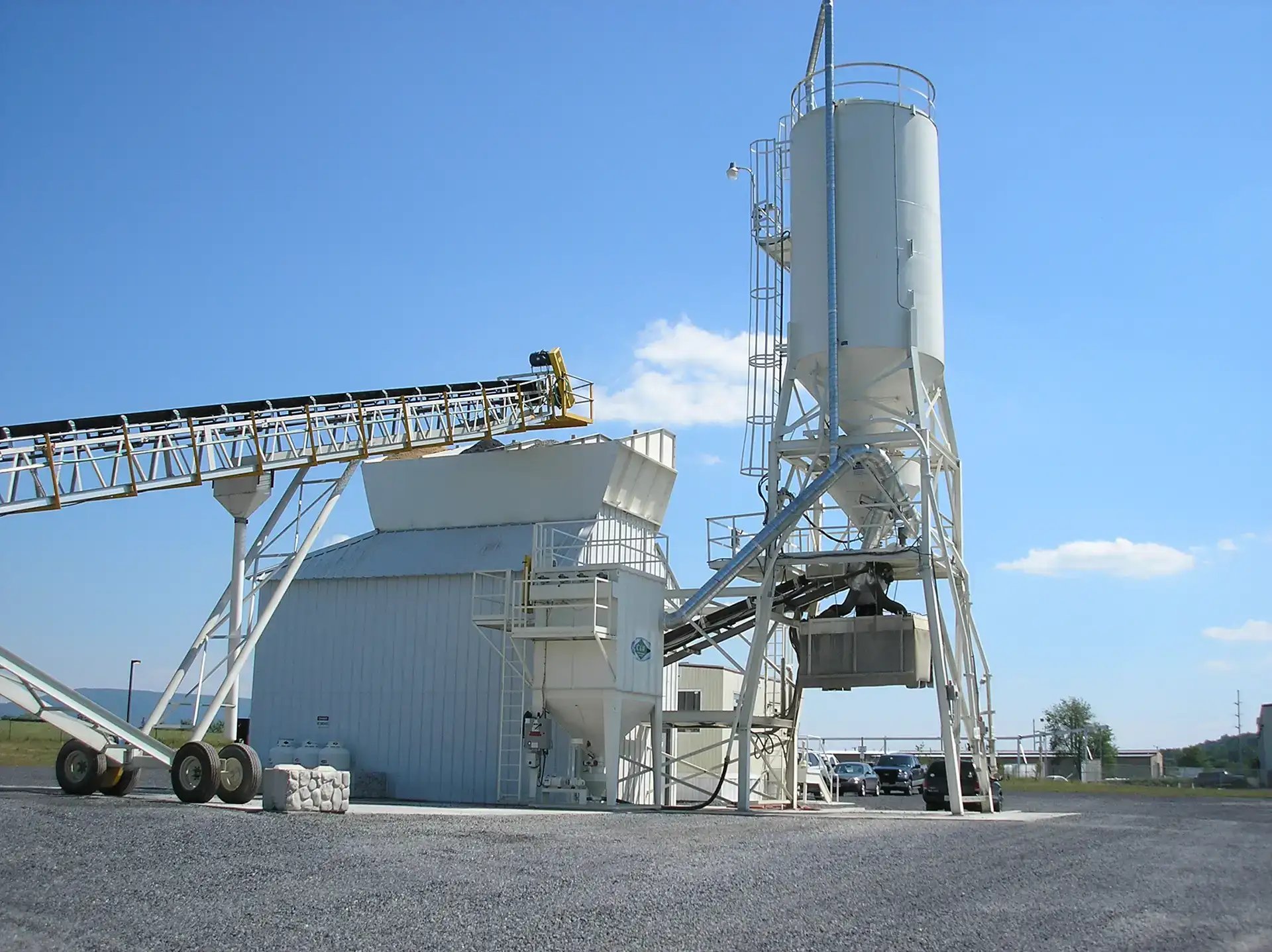
Get Environmental Consulting Help at Your Concrete Plant
Obviously, each concrete facility is going to have its own environmental issues and problems, but I find these to be universally common at most concrete plants I've visited over the years. If you find that these five are hard to deal with, need to get into compliance, or want to get started with some audits to figure out where you stand, reach out.
To learn more about environmental issues at concrete plants, either click here to contact us, call us anytime at 888-RMA-0230, or send us an email at info@rmagreen.com to talk.