We've all heard of the 3 P's of sustainability right? People, planet, and profit. They all directly and indirectly relate and influence each other, and they all impact your business. You might also hear the term triple bottom line. We understand the broad concept of sustainability, but how can we relate it to concrete industries?
Well, when most people think of concrete and sustainability, they immediately think about the sustainable aspects of concrete itself, like the advantages of using ready-mixed or precast pieces vs. steal or timber, or incorporating recycled water and materials, or using supplementary cementicious materials like fly ash or slag. Sure, these products all exhibit sustainable characteristics, certainly, but is this the whole picture when it comes to concrete? I've created my own 3 P's of sustainability specifically for the concrete industry.
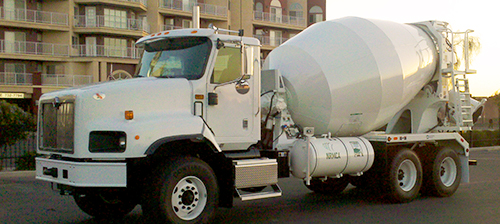
3 P's of Sustainability - Plants
Plants refer to exactly that - the concrete plants that make the sustainable products. A concrete producer can easily make a "sustainable product" but if that plant doesn't operate in an environmentally sound, sustainable manner itself, then are they participating in the sustainability movement? There's been time I've been at plants which weren't up to snuff environmentally at all, yet these plants are trying to latch onto the "green" or sustainable movement. This isn't just greenwashing folks, the sustainability movement is real, and people demand proof. To me, it starts at the plant. You've got to be doing the right things, be in compliance with all necessary environmental rules and regulations, and be engaging in sustainable practices (such as recycling concrete, conservation of water, conserving energy, etc.) in order to really be a part of the movement.
Not only that, but take a look at your equipment in your plant. Are you dealing with old, inefficient machinery? With the skyrocketing costs of energy, investing in newer machinery that operates more efficiently is not only sustainable, but will help keep your costs low. Sustainability has tangible benefits to your operation, it's not all about saving the planet.
3 P's of Sustainability - Product
The second P, and the one getting the most emphasis, seems to be the product. There are many construction materials out there trying to promote and market their green qualities. With the rise of concrete EPDs, and the oncoming development on concrete HPDs, we're going to start seeing more and more scrutiny with the actual product. What kind of cementicious materials are you using, how much recycled content is in the mix, how long will these products last? Some building materials are more sustainable than others, and with good information easy to find, consumers can, and are, making their own smart choices about which they feel is most sustainable and which one they'll ultimately use based upon research into the product, the manufacturer, and the...
3 P's of Sustainability - Process
The third P is your process. It's vitally important, yet somewhat neglected. It's the process, and by that I mean each step of the way throughout the entire manufacturing process of the material. I'm talking about initial development of raw materials by outside parties, conducting sustainable supply chain management and really scrutinizing where your materials are coming from, activities of employees (are they throwing all their trash away, or are there options to recycle at your plant), marketing and distribution of the products and your performance through sustainability reporting, to finally the delivery and use. Basically, the entire impact of that product, from inception to end of use. Cradle to grave anyone?
There's a lot of things to think about when it comes to these 3 P's of sustainability, like carbon footprint, water footprint, material choice, down to what kind of power you use and what kind of trucks you drive. To really determine how your operation works, and how environmentally friendly and/or sustainable you are, you need to consider all these areas. However, focusing on only one of the areas, or putting too much attention on any one at the exclusion of the others, can provide a false view. Sustainability is not something that takes 5 minutes of thinking and you're done. It's an evolving process that can be beneficial monetarily and environmentally, and is something we should all strive for, regardless of what we make or produce.
If you're looking to take a step forward into the world of sustainability, click here to contact us or give us a call at 609-693-8301 to discover how we can help your operation today.