We see a lot of garages in our line of work, at facilities all across the US. There's one huge issue which I've been harping on for years, and it has to do with oil and how it relates to environmental compliance issues.
The question is; used oil vs. waste oil - what's the difference?
Well the short answer is a lot.
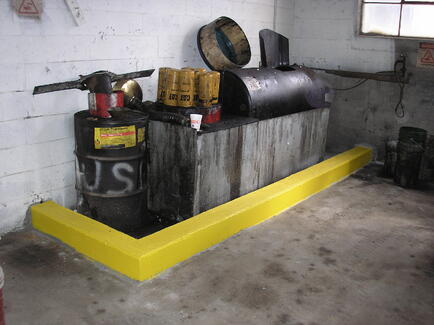
For facilities or operations with a big fleet of vehicles, you're bound to have a garage. In the garage, on the yard, or anywhere those trucks are used, you're bound to find new oil for the trucks. Where does the old, used oil go? It's normally held onsite in a container, either to be burned in a heating unit, trucked offsite, or some held for other use. These tanks more often than not are labelled waste oil - or worse yet, not labelled at all, and described as the waste oil tank.
Almost every time I find out it's not a tank for waste oil, but a tank holding used oil. Who cares?! As long as your tanks are listed in your SPCC Plan, what's the difference what's inside the tank? Is this a question of wording, or is there really a difference between used oil & waste oil?
Here's the difference.
Used oil is oil that has been used, and as a result of such use, is now contaminated by physical or chemical impurities. The classic example is used oil drained from the engine of a truck or vehicle, and then stored for reuse, recycling, or shipping offsite.
Waste oil is oil that has not been used, but is found to be unsuitable for its originally intended purpose. For example, suppose a 55-gallon drum of oil was opened only to find that the cap on the drum had leaked, and now the oil was mixed with water, rendering it unsuitable for it's original purpose.
Great, so what?
Here's the biggest difference. Waste oil is a hazardous waste. In terms of regulations, it's a completely different product than used oil. There's more liabilities, more regulations to adhere to, necessary actions needed to remove the product from your site, etc. Having used oil on hand is a by-product of doing what you do, and it's ok to have it onsite. Having waste oil on hand is a potentially serious issue that needs to be resolved quickly. There are additional regulations, such as the level of contamination of the used oil, regards to its eventual reuse, recycling, or disposal. It's much better to have used oil vs waste oil.
Another regulation is used oil tanks must, by regulation, be labelled as Used Oil - not unmarked, unlabelled, or as waste oil. Used Oil - that's it. I'm sure the guys working at the plant all know used oil's in the tank, but they need to be labeled.
There are some state-specific differences to this general overview, and in all cases, check with your applicable state waste regulatory office, or seek qualified help. And remember, when it comes to used oil vs. waste oil, there is a difference!
If you're looking to understand how having quantities of used oil vs waste oil at your facility impacts your environmental compliance level, click here to contact us or give us a call at 609-693-8301 to discuss your needs today.