TRI Reporting for Facilities That Want It Done Right

Your Path to TRI Reporting Compliance Starts Here

Not sure if you’re required to file a TRI report this year, or if your facility even falls under Toxic Release Inventory rules? You’re not alone, and you’re in the right place.

At RMA, we help facilities across the U.S. understand whether EPA Toxic Release Inventory reporting applies to them, and if it does, we take the confusion, stress, and second-guessing out of the process. Whether this is your first TRI report or something you’ve been filing for years, we’ll help you figure out exactly what’s required and make sure it’s done correctly.

Need Help With Toxic Release Inventory Reporting? That’s What We Do.

Managing EPA Toxic Release Inventory reporting is about more than just submitting a form once a year. It’s about tracking chemicals correctly, understanding how thresholds apply to your operation, and making sure what you report actually holds up if it’s ever questioned. We’ve helped everyone from small manufacturers to large, multi-site operations figure out whether TRI applies to them, calculate their releases, and file accurate reports with confidence.

Whether you’re preparing your first TRI report, dealing with changes in production or chemical usage, or cleaning things up after realizing something was missed in prior years, we’ll walk you through exactly what to do next. We work with TRI requirements across various industries throughout the country, and we know where facilities most often get tripped up... and how to avoid those mistakes.

If you want a straightforward, no-stress approach to TRI reporting that doesn’t rely on guesswork or last-minute panic, we’re here to help. We’ll make sure you understand what’s required, calculate everything correctly, submit on time, and feel confident that your Toxic Release Inventory reporting is done right.

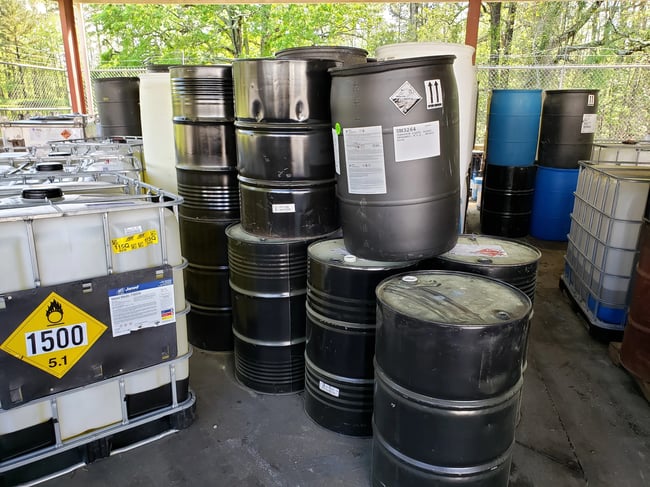
20190409_151656

Your Path to TRI Compliance: Our Process

Start the Conversation

Kickoff & Data Collection

Calculations & Report Filing

Ongoing Compliance

The Short Version: We talk. You tell us what you know (and what you don’t), we help figure out whether TRI applies, and then we lay out a clear, low-pressure path forward.

The path to TRI and Toxic Release Inventory compliance starts with a conversation. That might be through email, a phone call, or a quick Teams meeting. Our first chat is just a chance for us to understand your operation and help you make sense of what’s required.

Some facilities come to us with years of TRI reporting history and detailed chemical tracking. Others are just finding out that Toxic Release Inventory reporting might apply to them and aren’t sure where to start. Most are somewhere in between. All of that is normal.

You don't need to have perfect records, polished spreadsheets, or everything figured out before reaching out. Our job is to meet you where you are, help you understand whether TRI applies to your facility, and give you clear guidance on what actually needs to happen next.

Once we’ve talked through your situation, we’ll outline a realistic scope of work, a timeline that makes sense, and a simple service agreement. No pressure, no judgment. Just a straightforward plan to take TRI reporting off your plate and get it handled the right way.

The Short Version: We take stock of where things stand, help organize what you have (or don’t have), and gather what’s needed to move forward without overwhelming your team.

Once we get started, our first goal is to understand what information already exists and what gaps need to be filled. That might include chemical purchasing records, usage data, production numbers, safety data sheets, or past Toxic Release Inventory reports, if any exist.

Some facilities come in with solid chemical tracking systems and prior TRI reporting that was done well. In those cases, it’s sometimes possible to handle much of the work remotely, especially if we can build off of good data from previous years.

In many cases, though, TRI and Toxic Release Inventory reporting requires a site visit. That’s because we need to identify, qualify, and quantify release pathways. This means understanding how chemicals move through your processes and how they could be released to air, water, or land. That level of detail often can’t be confirmed from paperwork alone.

If a site visit is needed, we’ll schedule it at a time that works for your operation. We’re efficient, respectful of your team’s time, and focused on gathering the information we need without slowing anything down. The goal is not to complicate things, but to get the details right so your reporting is accurate and defensible.

And if you’re just discovering TRI requirements and don’t have a strong chemical tracking system yet, that’s okay. We can step in, help organize your information, and build a cleaner, more manageable system that supports TRI reporting not just this year, but for years to come.

The Short Version: We do the math, walk you through what’s being reported, and submit your TRI report accurately and on time.

With the data in hand, we handle the technical side of TRI and Toxic Release Inventory reporting. This includes determining whether reporting thresholds are exceeded, calculating releases and transfers, and completing all required reporting elements.

TRI calculations can get detailed, especially when multiple processes, chemicals, or release pathways are involved. Our job is to make sure those calculations are done correctly, consistently, and in a way that makes sense if they’re ever reviewed.

You’ll understand what’s being reported, where the numbers came from, and why certain assumptions were used. There are no surprise filings and no black-box math.

Once everything is reviewed and approved, we submit your TRI report through EPA’s reporting system and provide you with a clear record of what was filed. You can move forward knowing your Toxic Release Inventory obligations were handled carefully and correctly.

The Short Version: TRI reporting is an annual requirement. Most clients choose to keep us around year after year because it gets easier, smoother, and more cost-effective once we’ve done it together.

Toxic Release Inventory reporting is not a one-time requirement. If your facility is subject to TRI, this is something that comes up every year. Because of that, many of our clients choose to work with us as an annual partner to prepare and file their TRI reports year after year.

Once we’ve handled your TRI reporting once, future years are usually much easier. We already understand your processes, your release pathways, and how your chemicals are used. We’ve also helped you put better tracking systems in place. That typically means less effort, less disruption, and lower costs in following years.

That said, there’s no long-term contract or obligation. If you found yourself in a pinch this year and just need an experienced professional to step in and take care of it, that’s completely fine. We can handle the project, get you through the deadline, and hand everything back to you so you can manage it internally going forward.

On the other end of the spectrum, some clients want us more involved. That might mean helping with chemical tracking throughout the year, advising on changes that could affect TRI thresholds, or supporting other parts of your environmental compliance program. When TRI deadlines roll around, we’re already up to speed and ready to file without scrambling.

How involved we are is entirely up to you. We can be your annual TRI reporting partner, a one-time safety net, or a longer-term extension of your team. Our goal is to support you in the way that makes the most sense for your operation.

Here’s What Comes With Your TRI Reporting Support

Everything you need to meet EPA Toxic Release Inventory requirements with confidence, year after year.

emergency oil spill response

A Clear Answer On What You Actually Need

We start by understanding your operation, your chemicals, and what information you already have. That might mean reviewing past Toxic Release Inventory reports, pulling purchasing and inventory records, or working with your team to track down the missing pieces. You don't need perfect spreadsheets to work with us.

SPCC training

Release Pathway Review That’s Based in Reality

TRI reporting often requires understanding how chemicals move through your processes and where releases can actually occur. In many cases, that means a site visit so we can identify and confirm release pathways to air, water, and land. We’re efficient on site and focused on getting what we need without disrupting operations.

Simple SPCC plan

Accurate TRI Calculations

Once we have the data and understand your release pathways, we handle the calculations that drive the report. We quantify releases and transfers, apply the right methods, and build your TRI (Toxic Release Inventory) reporting numbers in a way that’s consistent and defensible.

SPCC program integration

TRI Submission + Clean Documentation

We prepare and submit your TRI report through EPA’s reporting system and make sure everything is documented clearly. You’ll know what was filed, what numbers were used, and how the report was built so you’re not left guessing now or next year.

SPCC facility pins on map

Support Across Sites and Future Years

Because TRI reporting is an annual requirement, many clients keep us as an ongoing partner. And if you want deeper support, like year-round chemical tracking help or broader compliance support across multiple locations, we can do that as well.

supportive handshake

Ongoing Support When Things Change

Chemicals change. Processes change. Production changes. When something shifts, we’re here to help you understand how it affects your TRI obligations, whether that’s during reporting season or mid-year.

Are We the Right Fit for Your TRI Reporting Needs?

Our Toxic Release Inventory reporting support is built for companies that want to stop stressing about thresholds, calculations, and deadlines, and just get it done right. We're a great fit for you if:

You’re unsure whether Toxic Release Inventory reporting applies to your facility and want clear, honest answers.

You need to file a TRI report this year and want a professional to handle the process start to finish.

You’ve filed TRI reports in the past but want more confidence that your calculations and release estimates are accurate and defensible.

You’re just finding out about TRI requirements and your chemical tracking is not where you want it to be, and you want help getting organized without judgment.

You expect a site visit may be needed to confirm release pathways and you want someone experienced to do it efficiently and correctly.

You manage multiple facilities and want a consistent, repeatable Toxic Release Inventory reporting process across all of them.

You want an annual partner who can make future years smoother, faster, and typically less expensive once the groundwork is done.

We’ve supported facilities across the country, from single-site manufacturers to multi-location industrial operations, and helped them meet TRI and Toxic Release Inventory reporting obligations without the confusion and last-minute scrambling.

If your facility manufactures, processes, or otherwise uses reportable chemicals, there’s a good chance TRI applies... and we’ve helped someone in your shoes get it handled the right way.

Common TRI Reporting Service FAQs

What is the Toxic Release Inventory (TRI)?

The Toxic Release Inventory, usually called TRI, is an annual EPA reporting program. Certain facilities have to report how specific chemicals are managed, released, or transferred off-site during the year. The goal is public transparency, not punishment. But figuring out whether you apply, and what numbers belong in the report, is where most people get stuck. If you are unsure whether TRI applies to you, that is completely normal.

Do we even have to do TRI reporting?

Maybe. TRI applicability depends on your industry code, the chemicals you use, and how much you manufacture, process, or otherwise use in a year. A lot of facilities assume they are exempt or assume they are covered, and both assumptions are often wrong. We can walk through applicability using whatever information you have right now, even if it is incomplete. If TRI does not apply, we will tell you plainly.

When is the TRI reporting deadline?

TRI reports are due to EPA every year on July 1, covering the previous calendar year. Because it is an annual requirement, TRI tends to sneak up on people, especially if it is your first time or if staffing has changed. Starting earlier makes things easier, but we can also help when the deadline is close.

What happens if we miss the TRI deadline?

Missing the deadline is stressful, but the worst move is doing nothing. Submitting late is almost always better than never submitting at all. If you missed the July 1 deadline, the right next step is usually to prepare the report as accurately as possible and submit it late. We can help you do that and get your documentation in order so you are in a better position going forward.

What makes TRI reporting harder than people expect?

TRI reporting is not just listing chemicals. You have to understand how chemicals move through your facility and estimate what goes to air, water, land, recycling, treatment, or disposal. That often means piecing together purchasing records, production data, waste manifests, and real-world process knowledge. Most facilities do not have all of this in one clean system, especially the first year.

Can we do TRI reporting ourselves?

Sometimes, yes. If you have strong chemical tracking, good production data, and prior reports that were done correctly, in-house reporting can work. Where companies usually struggle is with release calculations, assumptions, and documentation. We can either run the process for you or act as a reviewer if you want a second set of eyes.

How much does TRI reporting cost?

Costs vary based on complexity. Key factors include how many TRI chemicals you have, how they are used, how clean your data is, and whether a site visit is needed. The first year usually takes the most effort. After that, the process is smoother and often less expensive. We can give you a realistic range after a short conversation.

Do you need to come on-site for TRI reporting?

Often, yes. Walking the site helps us understand processes and confirm air, wastewater, and waste pathways. That said, some facilities can complete TRI remotely if their data is strong and prior reporting was solid. We will be upfront about whether a site visit makes sense for you.

What if our chemical tracking is poor or nonexistent?

That is very common. You do not need a perfect system to complete TRI, but you do need defensible numbers. We can help you build a basic chemical inventory, make reasonable assumptions, and set up a simple tracking approach that your team can realistically maintain.

We filed TRI before, but we think it was wrong. What now?

This happens a lot. Sometimes previous reports were rushed, based on weak assumptions, or prepared by someone who did not fully understand the operations. We can review prior submissions, identify where corrections may be needed, and help you amend previous years if appropriate. Cleaning this up now usually makes future years much easier.

Is TRI reporting a one-time project or ongoing?

TRI is an annual requirement. Most facilities that are subject to TRI report every year. Many of our clients work with us year after year because it becomes easier and more predictable. There is no long-term contract, though. One-time help is always an option.

Can you support multiple facilities or ongoing programs?

Yes. We work with single facilities and multi-site operations nationwide. We can be lightly involved or deeply embedded, depending on what you need. Some clients just want help filing. Others want help building a cleaner, more consistent program across locations.

Meet Your Toxic Release Inventory Team

Doug Ruhlin

Hey there, I'm Doug Ruhlin, the guy who kicked off Resource Management Associates back in '92 and now lead the team at our Wilmington, NC office. I always liked being outside as a kid, so it seems...

Chris Ruhlin

Hey! I'm Chris Ruhlin, your go-to environmental consultant and the Team Lead at RMA's Delaware Office. Most days, you'll find me out and about, working closely with our clients, guiding them through...

Dennis Ruhlin

Hello! I'm Dennis Ruhlin, the mastermind behind Business & Technical Development at RMA and the leader of our New Jersey Office. Since diving into the RMA world in 2012, I've been all about...

Tate Hunter

Hey! I’m Tate Hunter, and I’m one of the main folks behind what you see, read, and experience on this site. From building training programs to writing explainer content to helping shape the tools...

Ready to Take Control of Your TRI Reporting?

If you’re tired of guessing whether Toxic Release Inventory reporting applies to you, or you just want someone to take the lead and make the process manageable, reach out to RMA. We’ve helped facilities of all sizes handle TRI reporting accurately, without the confusion, stress, or last-minute scrambling.

When you fill out the form, a real person from our team will reach out to learn about your operation, answer your questions, and help you figure out what actually needs to happen next. No sales pressure, no canned responses, and no endless follow-up emails. Just straightforward guidance from professionals who deal with TRI and Toxic Release Inventory requirements every year.

We know TRI reporting can feel overwhelming, especially if you’re just finding out about it. Our job is to make it clear, practical, and easier on you and your team.

Get TRI Help

Trusted by Companies Nationwide to Get TRI Reporting Right.

We’ve helped facilities across the country meet Toxic Release Inventory requirements with confidence, accuracy, and far less stress. Scroll below to see how other companies have partnered with RMA to simplify TRI reporting and stay compliant year after year.

  • ★ ★ ★ ★ ★

    I first met Doug of RMA in 2002 when I attended an environmental course he developed for the National Ready Mixed Concrete Association. Doug’s ability to effectively communicate and explain the voluminous environmental regulations pertaining to the concrete industry is remarkable. He is truly a gifted speaker and teacher. If you are new to the industry or the environmental field, I strongly recommend participating in Doug’s courses. Since then, we’ve worked together on several projects including an NPDES permitting, and most recently, further development of the Green-Star EMS Program at NRMCA. Doug’s passion, experience, and insight are always welcomed assets on any environmental project.

    Ryan Sewell

    US Concrete

  • ★ ★ ★ ★ ★

    Simply put, as a consultant to the ready mixed concrete industry, Doug Ruhlin and the staff of RMA are one of the foremost authorities in terms of environmental regulations, permits, and responsibilities.

    Gary Mullings

    National Ready Mixed Concrete Association

  • ★ ★ ★ ★ ★

    I have known Doug Ruhlin of RMA for nearly 20 years. RMA has been a leader in the environmental arena for all of that time. They're intimately versed in the key environmental issues that affect aggregates and concrete producers; they know the laws, regulations and both industries thoroughly. RMA has helped steer the formulation of new regulations and they have helped to direct industry's response to the current and new regulations - in multiple states. I would not acquire an existing operation or start a greenfield plant or quarry without consulting Doug.

    Tarek Khan

    BASF

  • ★ ★ ★ ★ ★

    I've worked regularly with RMA since 2018. The team is outstanding and every interaction has been positive. They have a legacy of industry expertise already built and they're constantly exploring new ways to help clients.

    Travis Keener

    Hydration Engineering, PLLC

  • ★ ★ ★ ★ ★

    RMA has provided consistent and reliable support for all environmental matters brought to them. They can be both to the point or really dig into the issue depending on what is needed. Highly respected!

    Bryan Wigginton

    CalPortland

  • ★ ★ ★ ★ ★

    After an extensive search, our firm hired RMA to educate our team on industry environmental best practices. Doug and his team were very thorough in their presentation and supporting documentation, and gave us a real world expectation of what we should be mindful of regarding reclaiming, slurry water, pH levels, permitting and other topics. I would highly recommend RMA to any company interested in understanding the important elements of environmental compliance, sustainability and those interested in positioning themselves as leaders in environmental stewardship.

    Owen Blevins

    Mid-Atlantic Concrete Equipment

  • ★ ★ ★ ★ ★

    I've had the privilege to work with RMA on multiple occasions. I cannot recommend them enough. In the complex, ever-changing world of environmental management - they help make it digestible. Everyone there is incredibly approachable and has a wealth of knowledge. Once you work with them, you won't want to work with anyone else.

    Jacob Canale

    Silvi Materials

  • ★ ★ ★ ★ ★

    Tremendous help RMA was with permit transfers for a newly acquired company. Chris, Amy, always there to answer any questions that I had throughout the process. Appreciate the help they give keeping us to stay in compliance with training during the year.

    Chris Young

    Tanis Concrete

  • ★ ★ ★ ★ ★

    Resource Management was very flexible with scheduling and worked a Phase 1 assessment at one of our locations providing great insight and recommendations.

    Dino Faiola

    Pennsy Supply

  • ★ ★ ★ ★ ★

    RMA was the best they are so helpful, and very responsive to my calls and emails. I give them a 5 STAR!

    Dina Tammaro

    Empire Transit Mix Inc.

  • ★ ★ ★ ★ ★

    We have been using RMA for several years. They always go above and beyond our expectations.

    Phillip Hudson

    Cumberland Supply

  • ★ ★ ★ ★ ★

    Could not ask for better support! RMA should be your choice as well!

    Bryan Wigginton

    CalPortland

  • ★ ★ ★ ★ ★

    Wonderful staff. Provides detailed explanations in a manner that is easy to understand. Quick to respond.

    Susan Allen

    Shore Sand and Gravel

  • ★ ★ ★ ★ ★

    A great consulting company.

    Patrick Buster

    Braen Stone Company

  • ★ ★ ★ ★ ★

    RMA will provide the support you need. If they do not know it already, guaranteed they will do the research. Highly recommended!

    Bryan Wigginton

    CalPortland

  • ★ ★ ★ ★ ★

    Doug and his firm consistently offer the highest quality of environmental services in the ready mixed concrete industry.

    Frank Cavaliere

    National Ready Mixed Concrete Association

Whether you need help with a single requirement or want to hand off your entire environmental program, we get it done right, the first time. You'll feel protected, confident in your company's regulatory standing, and ready for whatever comes next.

888-RMA-0230

Copyright © Resource Management Associates