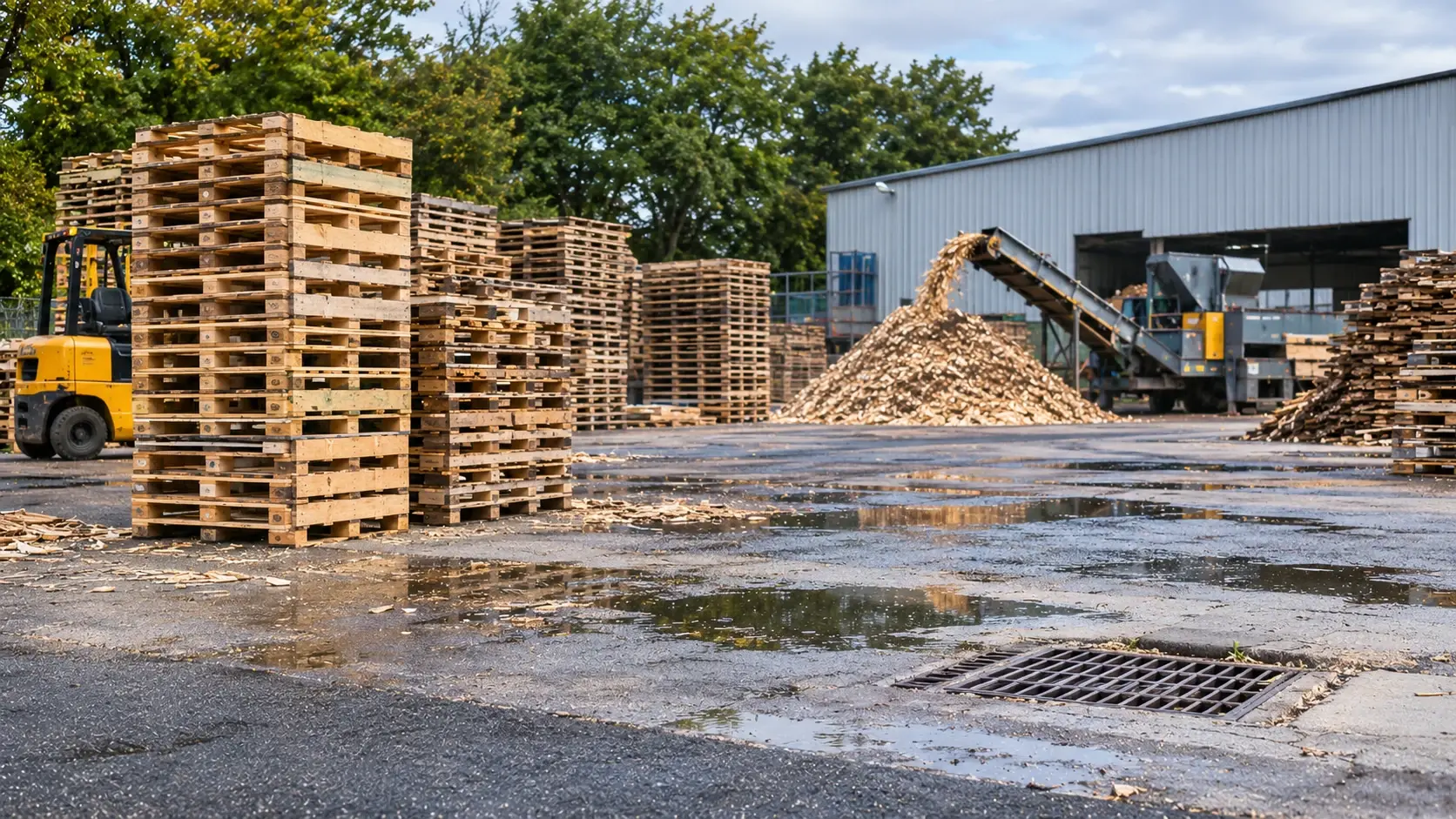
Visit the Pennsylvania NPDES & Stormwater Permit Help Center Pallet Yards, Wood Grinding, and PAG-03: Why Stacks of Lumber Outside Usually Mean Industrial Stormwater Rules In most cases, yes. If you...
Visit the Pennsylvania NPDES & Stormwater Permit Help Center How PAG-03 Applies to Sawmills, Planing Mills, and Lumber Yards, and Why Retail Lumber Yards Often Fall Outside It If you run a sawmill,...
Visit the Pennsylvania NPDES & Stormwater Permit Help Center Where PAG-03, No Exposure Certifications, Reefer Fueling, and Ammonia Systems Fit Into PA DEP's Industrial Stormwater Rules A refrigerated...
Visit the New Jersey SPCC Plan Help Center Signs Your Oil Spill Plan Has Outgrown Your Team, and the Kind of SPCC Help That Fits Each One If your New Jersey facility stores oil, you either have a...
Visit the New Jersey SPCC Plan Help Center Training Your Team to Run SPCC Compliance vs. Paying a Consultant Every Year: A New Jersey Comparison If your facility stores oil, you've probably wondered...
Visit the New Jersey SPCC Plan Help Center Honest Ways Small New Jersey Businesses Can Lower SPCC Plan Costs, and the Shortcuts That End Up Costing More If your business stores fuel, hydraulic oil,...
Visit the New Jersey NJPDES & Stormwater Permit Help Center What New Jersey Concrete Plants Have to Monitor, How Results Get Reported to NJDEP, and How to Sample at a Dusty, Busy Plant If you run a...
Visit the New Jersey NJPDES & Stormwater Permit Help Center How Truck Washout, Wash Water, Settling Basins, and pH Fit Under New Jersey's Concrete Products Manufacturing Permit Every concrete truck...
Visit the New Jersey NJPDES & Stormwater Permit Help Center Why Concrete Plants Usually Belong Under the Concrete Products Manufacturing Permit, When a Larger Facility Changes the Answer, and What...
Visit the Pennsylvania SPCC Plan Help Center How Pennsylvania Facilities Lose Qualified Facility Status, What Triggers It, and What Changes Once a Professional Engineer Has to Certify Your Oil Spill...