First Things First: What Does BMP Even Mean?
BMP stands for Best Management Practice. And while that sounds like something out of a regulatory handbook, it really just means “the best ways to manage your site so you don’t pollute your stormwater.” BMPs are the habits, procedures, and physical tools you use every day to keep stormwater clean.
Some are hands-on, physical things like berms, covers, or drain filters. Others are all about people, the behaviors and routines that keep things tidy, organized, and under control. Training your team, walking your site, fixing leaks, and keeping debris out of drains - all of that is part of your BMP program.
Here’s the simple goal behind every BMP: keep stormwater away from pollutants, and keep pollutants away from stormwater.
The Kitchen Analogy: You Can’t “Fix” Contamination After It Happens
Imagine your facility as a kitchen in a busy restaurant. You’ve got ingredients (your materials), utensils (your equipment), and a crew trying to get the job done. In a good kitchen, everyone cleans as they go - washing hands, wiping counters, keeping raw meat separate from vegetables, and tossing out spoiled ingredients before they cause trouble. If you skip those steps, contamination spreads fast.
Stormwater works the same way. Once pollution’s out there (like oil on the ground, debris in the yard, or dust on your loading dock), rain is going to pick it up and carry it away. Just like you can’t fix a cross-contaminated meal with one last-minute garnish, you can’t fix a dirty site with one “quick” BMP before an inspection.
The real solution is consistency. BMPs are your clean-as-you-go habits - the small, routine things that prevent contamination in the first place. Sweep regularly, cover your materials, clean up spills immediately, and train your team to notice issues before they spread. So when you think about BMPs, think about keeping a kitchen safe and clean: constant awareness, good habits, and no shortcuts.
The Five Stormwater BMPs that Work Almost Anywhere
When people ask us, “What are the best BMPs for my site?”, the truth is there’s no magic list that fits everyone. But after decades in the field and hundreds of stormwater sites under our boots, we can confidently say there are a few BMPs that make a big difference almost everywhere.
These are the ones we see time and time again, separating the compliant sites from the ones getting NOVs. Think of them as your foundation - the basic habits and controls that keep stormwater clean and your stress levels low. If you only focus on five things, make it these five.
1) Good Housekeeping
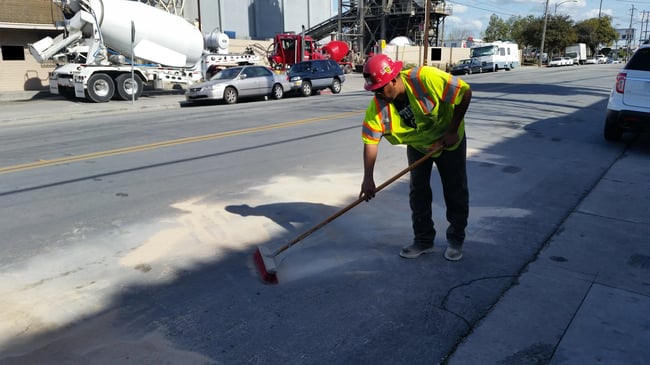
We’ll be honest, this one might not sound exciting, but it’s easily the most powerful BMP out there. Good housekeeping means keeping your site clean, organized, and free of the stuff that stormwater loves to grab: dust, debris, oil stains, sediment, and random junk that “someone meant to throw out.”
If your site looks good, it usually means your stormwater looks good too. Regulators notice it, your employees notice it, and even your neighbors notice it. Sweep regularly. Keep containers closed. Store materials under cover. Pick up trash before the wind does. This isn’t rocket science, it’s just consistent, everyday care that prevents bigger problems later.
We always tell clients: if you only do one BMP well, make it this one. Everything else builds on top of it.
2) Spill Prevention and Control
We’ve all seen it... a few drops of oil here, a little diesel spill there, and before you know it, that “minor” leak is heading straight toward a storm drain. Spill prevention isn’t just about reacting to messes; it’s about designing your site and habits so spills don’t happen in the first place. Keep fuels, oils, and chemicals stored in proper containers with secondary containment. Label them clearly and keep the area tidy. Get an SPCC plan (and actually use it!).
When spills do happen (because they will), respond fast. Stock spill kits where they’re actually needed (not just in a closet somewhere). Train your team so they know how to use them and who to call. A quick, well-handled cleanup can mean the difference between a small hiccup and a permit violation.
3) Erosion and Sediment Control
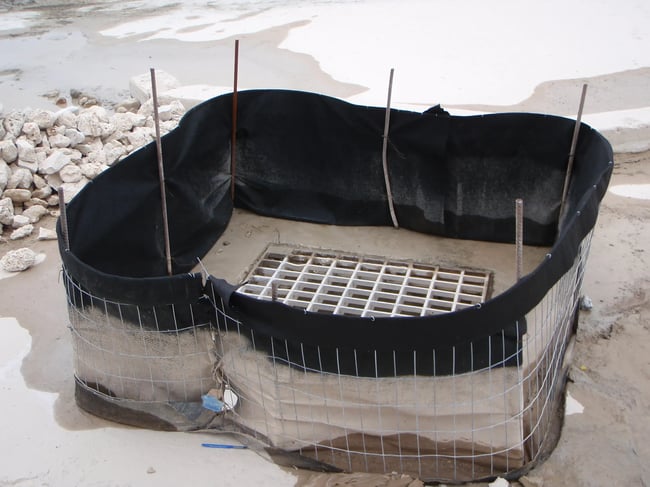
Here’s a fun fact: dirt is one of the most common pollutants in stormwater. And yet, it’s also one of the easiest to control. Bare soil, unpaved lots, and exposed piles of sand or gravel can all wash away in a single storm. Before you know it, your outfalls are running brown... and so are your sample results.
The fix doesn’t have to be fancy. Plant grass or ground cover on bare areas. Lay down gravel or stone in high-traffic spots. Use silt socks, wattles, or simple rock aprons at drains and outfalls to slow the flow and trap sediment. It’s amazing how much improvement you’ll see from just a few small, inexpensive changes.
4) Regular Inspections
This one’s easy to skip, until it costs you. Regular inspections are your best insurance policy against surprise violations. Walk your site with purpose. Look at drains, storage areas, fueling pads, and outfalls after a storm. Take photos, jot down what you find, and actually fix the issues before they get worse.
We’ve walked plenty of facilities where operators admitted they hadn’t looked at their outfalls in months. Don’t be that site. Inspections are your eyes and ears on the ground. And if you’re already required to do them for your permit (and you almost certainly are), you might as well make them count. A quick walk now saves a lot of paperwork (and stress) later.
5) Training
Stormwater compliance starts with people. Your team is out there every day, and they’re the ones who make BMPs succeed or fail. That’s why training is the glue that holds everything together.
Teach everyone on-site what stormwater is, where it goes, and how their work impacts it. Show them what “good housekeeping” really looks like. Run quick refreshers at safety meetings. Make sure new hires get the same message on day one. The more people understand the why behind BMPs, the more they’ll take ownership of them.
And here’s the best part - when your employees care about keeping things clean and organized, compliance becomes almost effortless.
Two Big Families of BMPs: Structural and Non-Structural
Ready to dig a little deeper? Okay, so when it comes to stormwater, every good program has two sides: the people side and the hardware side. In other words, non-structural BMPs (your habits and routines) and structural BMPs (the physical stuff on your site). You need both. One keeps things running smoothly day-to-day, and the other keeps the rain from undoing all your hard work.
Non-Structural BMPs: The People and Process Side
These are your everyday actions - no concrete required, just consistency and care. They’re simple, but when they slip, compliance usually slips too.
Good Housekeeping. Keep your site clean, organized, and free of loose debris or stains. Sweep instead of hosing down. Close lids. Empty dumpsters before they overflow. A tidy site isn’t just about looks, it’s your first and best line of defense.
Preventive Maintenance. Check equipment, vehicles, and containment areas often. Fix leaks, corrosion, or broken fittings before they become pollution. Log what you repair, because inspectors love documentation.
Spill Prevention and Response. Stock spill kits where you actually need them, and make sure everyone knows how to use them. Post fueling procedures and practice a quick “what-if” drill once in a while. It’s better to rehearse a spill than to clean up one blind.
Inspections. Walk your site regularly, especially during or after a storm. Look for stains, trash, or cloudy runoff. Take photos, make notes, and fix problems; don’t just check boxes.
Training. Stormwater isn’t just the EHS manager’s job. Teach everyone where drains go, what can’t go on the ground, and why it matters. When people understand the “why,” they take pride in doing it right.
Structural BMPs: The Physical Controls
These are the visible, hands-on controls - the gear that physically separates pollutants from stormwater. They’re what inspectors notice first, and what keeps your site protected when it rains.
Secondary Containment. Berms, curbs, or basins around tanks and drums catch leaks before they hit the ground. Keep them clean, watertight, and logged.
Storm Drain Inlet Protection. Inlet socks, filters, or mats catch sediment and trash before they enter your system. Check and clean them regularly... a clogged filter doesn’t help anyone.
Covered Storage and Work Areas. Simple covers (roofs, awnings, or tarps) prevent rainfall from hitting exposed materials. Covering something isn’t hiding it; it’s protecting it.
Oil-Water Separators. Perfect for maintenance and fueling areas, but only if they’re cleaned. An unmaintained separator is just another source of pollution.
Riprap and Outlet Protection. Rock aprons or pads at outfalls slow down runoff and prevent erosion. They’re cheap, durable, and surprisingly effective.
Get the people side right, keep the physical side maintained, and your BMP program will do what it’s meant to: protect your site, your permit, and your peace of mind. Need help finding the right mix? We can help.
Common activity-specific BMPs
Every site handles materials a little differently, but these patterns hold up across industries.
Fueling operations
Use posted procedures, shut-off valves, drip pans, and absorbents. Keep everything on an impervious pad, not gravel. Keep mobile fueling under the same rules as the fixed island. Train people to stop and clean drips immediately.
Equipment and vehicle maintenance
Do it indoors when you can. If you must work outside, use a designated area with cover, containment, and a real pad. Use drip pans. Choose cleaners that do not leave residues. Store used fluids in labeled, closed containers with secondary containment. Dispose through a licensed handler.
Materials handling and storage
Handle under cover when possible. Use berms or curbs around transfer points. Stage absorbents at connections and valves. Cover pallets and roll-offs before rain. Label everything. Keep storage out of drainage paths and away from inlets.
Aboveground storage tanks
Inspect tanks for corrosion, staining, or damaged fittings. Keep printed or digital logs. Maintain sized containment that is clean and watertight. Train operators annually. Water inside containment needs inspection before release. If it looks or smells contaminated, manage it as wastewater rather than pumping it to grade.
How to keep BMPs working all year
- Inspect on a schedule. Build BMP checks into your monthly site walks. Include berms, covers, inlets, containment, and any treatment units. Use a simple checklist. Assign names to tasks.
- Repair fast. If a BMP is broken, it does not count. Log what failed, what you did, who did it, and when. Close the loop.
- Update as you change. New process, new material, or new layout means the SWPPP and site map need an update. Retire BMPs that no longer make sense and add ones that do.
Wrapping Up: Where to Get BMP Help
BMPs are the everyday habits and simple controls that keep rain from turning into a compliance problem. Your NPDES permit requires them, your SWPPP documents them, and your team makes them real.
There is no universal "best BMP". There is only the best fit for you, based on a few factors:
- Your Permit. Start with any BMPs your NPDES permit specifically requires. Do those first and document them in your SWPPP and site map.
- Your Pollutants. Match controls to what you actually have. If your issue is sediment, focus on stabilization and track-out controls. If it is oil, focus on containment, fueling procedures, and separators.
- Your Layout. A great BMP in the wrong spot will still fail. Use slopes, curbs, and flow paths to your advantage. Keep clean water clean by routing it around work areas.
Two extra rules we use in the field:
- Fix upstream first. Stop the spill or exposure before you try to filter or treat it.
- Keep it simple. The BMP people remember and maintain will beat a fancy system that nobody touches.
Start with the human stuff. Add the hardware that fits your site. Keep both maintained. That is how you stay clean, pass inspections, and stop wasting money on fixes that do not last.
If you want a practical plan built around your exact permit and layout, we do this all the time. Contact RMA and we'll map your site, pick the right BMPs, and help you implement them without the drama.