Delaware Tier II Reporting Requirements Explained Without the Headache
If you run a facility in Delaware and store chemicals on-site, there’s a decent chance Tier II reporting applies to you. The problem is, a lot of businesses don’t realize that until they’re already up against the March 1 deadline, trying to untangle thresholds, fees, and state-specific rules while also keeping the rest of the operation moving. That’s usually when this starts feeling way more complicated than it seemed at first.
We see this all the time. A company looks at federal EPCRA guidance, assumes they’re under the threshold, and moves on. Then they find out Delaware has its own reporting rules and lower thresholds in some situations, and now what looked like a simple yes-or-no question suddenly isn’t so simple anymore. If you’re unsure where your facility stands, you can contact RMA and we’ll help you sort through it before it turns into a last-minute scramble.
Table of Contents
How Delaware Tier II Requirements Differ From Federal EPCRA Rules
Before you can answer whether you need to file, it helps to understand why Delaware trips so many people up. It’s not that the state ignores federal EPCRA requirements. It’s that Delaware builds on them, which means a facility can look fine under a general federal explanation and still have state-level reporting obligations.
That’s one reason broad national articles only get you so far. They’re useful for the basics, and if you need a refresher, our guides on Everything You Need to Know About Tier II Reporting and What Is Tier II Community Right-to-Know Reporting? do a good job laying that groundwork. But once you’re dealing with Delaware specifically, you have to pay attention to what the state requires, not just the federal baseline.
Delaware requires Tier II reports to be submitted through its Tier II Manager system, and that system also ties into related reporting requirements like Section 302 emergency planning notifications and Section 311 updates. In other words, this is not one of those situations where you can safely assume, “If we understand EPCRA generally, we probably understand Delaware.” Sometimes that works. Sometimes it absolutely does not.
Delaware Tier II Thresholds Can Catch Businesses Off Guard!
This is where a lot of facilities get surprised. Delaware thresholds can be more conservative than what people expect based on federal guidance alone, which means some businesses that think they’re comfortably below reporting levels are actually not. That’s especially common at facilities that store chemicals in bulk, manage fluctuating inventory, or only look at average quantities instead of the maximum amount present at any point during the year.
For many hazardous chemicals, Delaware reporting can be triggered at 55 gallons or 500 pounds, whichever is lower. For Extremely Hazardous Substances, the reporting threshold can be the lowest of 55 gallons, 500 pounds, or the (usually much smaller) Threshold Planning Quantity. That’s not a small technical detail. That’s the difference between “we don’t need to file” and “we definitely should have filed already.”
If you’re still trying to figure out the basics of whether your operation is even in the Tier II universe, our article on Who Needs to Do Tier II Community Right-to-Know Reporting? is a good place to start. The short version, though, is that if you maintain SDSs for chemicals on site and your quantities cross Delaware’s thresholds at any point during the reporting year, you should not assume you’re exempt.
Who Needs to File a Tier II Report in Delaware?
Most facilities want a quick yes-or-no answer here, which is understandable. You’re busy, and this is not the only thing on your plate. But the honest answer is that filing obligations usually come down to a few practical questions: what chemicals you have, how much you have, whether they are hazardous or extremely hazardous, and whether you exceeded thresholds at any point during the year.
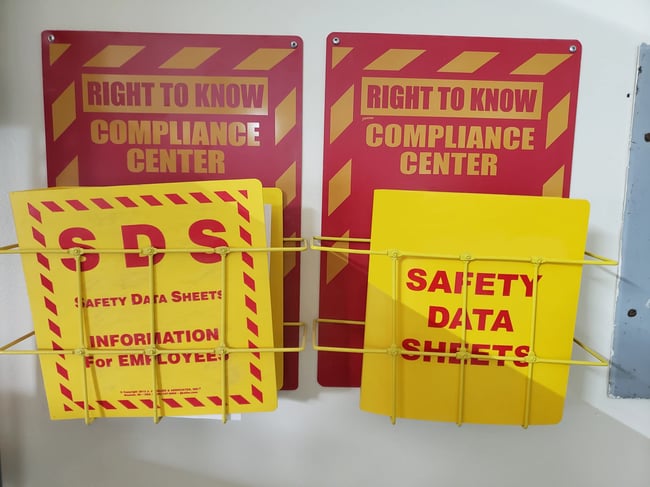
If your facility is required to maintain Safety Data Sheets under OSHA or Delaware worker right-to-know rules, that’s the first sign that Tier II may apply. From there, the next step is looking at actual quantities, not guesses and not rough averages. We’ve seen companies assume they were under the limit because they usually carry less than a threshold amount, only to find out they crossed it seasonally, during deliveries, or at one temporary point in the year. Unfortunately, temporary still counts.
Facilities storing Extremely Hazardous Substances need to be even more careful. Those situations can trigger not just Tier II reporting, but additional emergency planning requirements as well. If you want a better sense of what the process looks like in the real world and whether RMA is a fit to help, this article on How Does Tier II Reporting Work? Service and Company Fit Guide for RMA gives a useful picture of what’s involved.
What Goes Into a Delaware Tier II Report?
Once you confirm you need to file, the report itself is pretty structured, but that doesn’t mean it’s quick. You’ll generally need facility details, contact information, chemical inventory information, storage locations, hazard classifications, and emergency contact information. Delaware also expects a site plot plan or map, which tends to sound easy until you’re the one actually trying to make sure it includes the right detail and makes sense to someone who has never set foot on your property.
This is often where DIY reporting starts to feel less fun. It’s one thing to know you probably need to file. It’s another thing to gather the data, interpret the thresholds correctly, organize the information, and submit it in a way that doesn’t create avoidable follow-up problems. If you want a deeper look at the nuts and bolts, check out our article on What’s Included in Tier II Reporting?
It’s also worth remembering that this isn’t just paperwork disappearing into a void. Tier II data is meant to support emergency planning and response. That means the information needs to be accurate, clear, and useful to agencies that may rely on it in an actual incident. That’s a pretty good reason not to treat this like a form you rush through on a Friday afternoon.
Delaware Tier II Costs, Deadlines, and Penalties
The annual deadline for Tier II reporting is March 1 for the previous calendar year, and if you miss it, Delaware can assess late fees. The state also charges filing fees based on the number and type of chemicals reported, so your cost depends partly on the complexity of your inventory. For some facilities, the total is modest. For others, especially those with more chemicals or multiple reporting triggers, it can become a more meaningful line item.
That’s one reason cost questions come up so often. Businesses don’t just want to know whether they need to file. They want to know what it’s going to cost, how long it’s going to take, and whether it’s still realistic to get everything done if they’re already later in the season than they’d like to be. If that’s where your head is right now, these are the most useful next reads: How Much Does Tier II Reporting Cost?, Is Mid-February Too Late to Submit Tier II Reports by the March 1st Deadline?.
And yes, if you’re wondering whether waiting a little longer will somehow make this feel less annoying, the answer is no. It usually just makes it more expensive and more stressful. We know that’s not groundbreaking advice, but it is consistently true.
What Happens If You Don’t File, File Late, or Get It Wrong?
At the very least, late or incorrect filing can create extra fees, follow-up work, and unnecessary headaches. At the more serious end of things, it can expose your facility to compliance issues, inspections, and enforcement attention that could have been avoided. And beyond the regulatory side, inaccurate reporting can create real problems during emergency response situations if the wrong information is on file or key details are missing.
This is also why businesses that say, “We’ll just figure it out ourselves at the last minute,” sometimes end up calling us after they’ve already started down the wrong path. It’s not because they aren’t capable. It’s because Tier II reporting has just enough nuance to make overconfidence expensive. If you want to see the kinds of issues that come up most often, our article on Common Tier II Reporting Problems (and How We Fix Them!) covers the stuff that tends to cause trouble.
Should You Handle Delaware Tier II Reporting Yourself?
That depends on your facility, your internal resources, and how comfortable you are with the reporting process. Some companies absolutely can handle Tier II reporting in-house, especially if their inventory is simple, their documentation is organized, and someone internally knows the rules well enough to catch the important details. If that’s you, great. We’re not going to pretend every business needs outside help just because the topic is technical.
That said, a lot of facilities are not starting from that place. Maybe the inventory is messy. Maybe quantities changed throughout the year. Maybe no one is fully sure which thresholds apply. Maybe you’re managing multiple sites, or maybe you’ve inherited the task from someone else and are now discovering it’s a bit more involved than expected. In those cases, it often makes sense to get help rather than risk doing a rushed, incomplete, or inaccurate submission.
If you’re leaning DIY, our article on The 5 Best Tips for Doing Your Own Tier II Reporting is worth reading. If you’re more in the camp of “I really don’t want to learn this the hard way,” then talk to us and we’ll help you decide what makes sense for your facility.
So, Do You Need to File a Tier II Report in Delaware?
If you’ve read this far, you probably already know the honest answer: maybe, and it’s worth checking before you assume anything. Delaware’s rules can pull more facilities into reporting than people expect, especially when chemical quantities cross state thresholds even briefly. That’s why this is one of those compliance tasks that feels deceptively simple until you get into the details.
The good news is that once you understand your inventory and how Delaware’s rules apply to it, the next step becomes much clearer. The bad news is that a lot of businesses wait too long to get that clarity. If you want help figuring out whether you need to file, what information you need, or whether it makes sense to handle this internally versus outsourcing it, contact RMA. We’ll give you a straight answer, help you understand your options, and keep this from becoming a bigger mess than it needs to be.