Oil Spill Regulations Explained in Plain-English
If you’ve been told you might need an SPCC plan, you’re probably wondering two things: Do I actually need this, and how big of a deal is it?
We get that question all the time. SPCC can sound technical and overwhelming, and most people aren’t totally sure if it even applies to them. The reality is, it’s more common than you’d think, and it’s one of those things that’s pretty manageable once you understand it, but risky if you ignore it.
In this article, we’ll walk through what an SPCC plan actually is, who needs one, what they usually cost, and what to do next. And if you’d rather just get a straight answer, you can always reach out to our team here. We’ll help you figure it out without overcomplicating things.
Table of Contents
What Is an SPCC Plan?
SPCC stands for Spill Prevention, Control, and Countermeasure. It’s a federal requirement under the Clean Water Act, and at its core, it’s just a plan that explains how your facility handles oil.
That includes how you store oil, how you prevent spills, and what you do if a spill happens. And when we say “plan,” we’re talking about a physical thing kept on-site, often a binder or notebook-style document. If there’s an inspection or an incident, it needs to be something you can grab immediately. Digital copies are helpful, but regulators typically expect a hard copy to be available.
Inside that plan, you’ll find things like storage locations, quantities, site maps, and step-by-step response procedures. It also outlines who’s responsible for what. It’s essentially your facility’s playbook for handling oil safely.
If you want a deeper breakdown of what goes into one, this guide on everything you need to know about SPCC plans is a good next step.
What Counts as “Oil” Under SPCC?
This is where a lot of facilities get tripped up. Most people immediately think of gasoline or diesel, and yes, those count. But SPCC covers a much broader range of materials than most expect.
That includes things like hydraulic oil, lubricants, motor oil, and even vegetable and cooking oils. A simple rule of thumb we use in the field is this: if you’d casually call it “oil,” it probably counts.
We’ve seen facilities assume they’re well below the threshold, only to realize they’ve crossed it once you factor in drums, equipment, and backup systems. If you’re unsure how specific items factor in, this article on 55-gallon drums and SPCC requirements is worth a quick look.
Who Needs an SPCC Plan?
Whether SPCC applies to you comes down to a few key criteria, and the biggest one is how much oil your facility can store.
If your site has the capacity to store more than 1,320 gallons of oil above ground, or more than 42,000 gallons underground, you’ll likely need an SPCC plan.
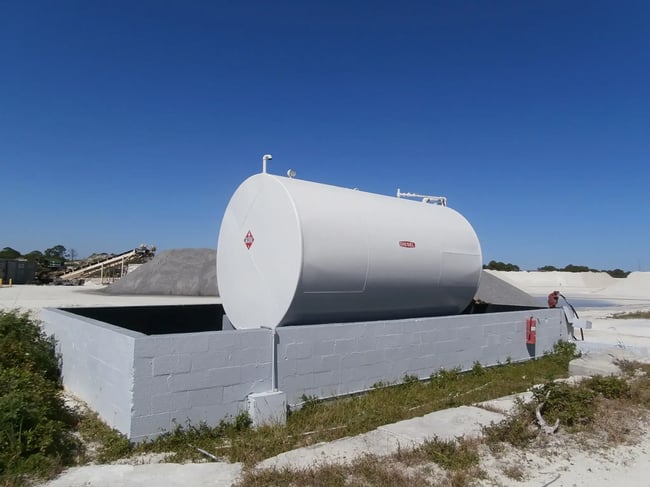
The key detail most people miss is this: it’s based on maximum capacity, not what you currently have. Even empty tanks count as full. And it adds up fast. A few tanks, some 55-gallon drums, maybe a backup generator, and suddenly you’re over the threshold without realizing it.
The second factor is whether a spill could reasonably reach water. But that doesn’t just mean things like rivers or lakes. It includes things like storm drains, ditches, and drainage pathways. In our experience, that applies to most (pretty much all) facilities, even ones that don’t think they’re “near water.”
The third piece is that SPCC applies to facilities that store oil, not transport it. That includes a wide range of operations like manufacturing plants, warehouses, maintenance shops, data centers, and even apartment complexes. The only places this doesn't apply to are single-family residences and businesses that actively ship oil as their core business (like barges and railway).
If you want a step-by-step way to think through this, this quick guide on how to figure out if you need an SPCC plan breaks it down nicely.
Not All SPCC Plans Are the Same
One thing that surprises a lot of people is that there isn’t just one type of SPCC plan. Depending on your facility, you could be dealing with a self-certified plan or a Professional Engineer certified plan. And on top of that, you might also need additional documents instead of (or in addition to!) an SPCC plan, depending on your state.
What you'll need depends on things like your storage capacity, site complexity, and spill history. This is where it can start to feel a little more nuanced. Not impossible, just not quite as simple as “download a template and call it a day.” Sorry. We wish everything worked that neatly too.
If you want to understand the differences, this breakdown of different types of SPCC plans is a helpful follow-up. You can also read more about Professional Engineer SPCC plan requirements if you’re trying to figure out whether your plan needs PE certification.
How Much Does an SPCC Plan Cost?
SPCC plan pricing depends on your facility, your oil storage setup, the type of plan you need, how quickly you need it, and whether the work can be done remotely or needs an in-person site visit. Of course, if you're allowed to create your own plan and choose to do so, the only cost is the time you'll personally invest.
When we develop them here at RMA, most SPCC plans typically fall somewhere in the $5,000 to $10,000 range. Some are a little cheaper. Some are more expensive. It really depends on what’s going on at your site.
As far as the industry goes, we tend to fall around the middle. You can absolutely find providers who are cheaper, and you can also find providers who are more expensive. The important thing is making sure you’re comparing the actual scope of work, not just the number at the bottom of the proposal. A cheaper plan that misses key requirements isn’t really cheaper if it creates problems later.
If you want a ballpark estimate for your facility, use the pricing calculator below to see how much it would cost to get an SPCC plan with RMA. It’s a quick way to get a sense of pricing without having to start a whole sales conversation first.
For more detail on what affects pricing, this article on SPCC plan costs walks through the major factors that can make a plan more or less expensive.
SPCC Isn’t a “Set It and Forget It” Document
A lot of facilities assume once the plan is written, they’re done. That’s not really how it works. There are ongoing responsibilities that come with it, including:
- Routine inspections of tanks and storage areas
- Keeping records up to date
- Training employees on spill prevention and response
- Reviewing and updating the plan when things change
This is usually where things start to slip, not in writing the plan, but in maintaining it over time. For example, SPCC plans need to be reviewed periodically, and this article on SPCC 5-year reviews explains how that works.
Training is another piece that can get overlooked. If you’re wondering what your team actually needs to know, this guide on what SPCC training should include is a good place to start.
So, Do You Need an SPCC Plan?
If you store oil on-site, there’s a good chance the answer is yes, or at least “you should double-check.”
Most facilities that end up needing a plan didn’t realize it at first. And unfortunately, it usually comes up during an inspection, after a close call, or when someone finally asks the question. The risk of getting it wrong isn’t just regulatory. It’s operational and financial too. Fines, cleanup costs, and liability can add up quickly if a spill happens and you’re not prepared.
SPCC plans aren’t as complicated as they seem, but they are one of those things where it’s a lot cheaper and easier to get it right upfront than to fix it later.
If you’re unsure where your facility stands, it’s worth taking a closer look. And if you want help figuring it out or getting a plan in place, you can contact our team here. We’ll help you get a clear answer and a practical path forward.