
In plain English
What this means for you
Talk with us about this project
Written By: Tate Hunter | Last Updated: February 04, 2026
Time to Read 13 Minutes
Here’s something we’ve noticed over the years. When businesses start planning a new facility, they’ll often call an environmental consultant early in the process and get told something like: “You’re too early in the project, call us once the site is all built and we’ll take care of your permitting and reporting.”
On the surface, that sounds... pretty logical! After all, a lot of environmental work really *does* require a finished, operational facility. You can’t build an SPCC plan until you know where the tanks sit. You can’t write a SWPPP until outfalls and drainage patterns are finalized. You can’t submit your Tier II Community Right to Know Reports until you have materials on-site!
The reality is that the construction phase can require some environmental work, and even during the construction phase, some of those operational requirements should be seriously considered as well. If you'd rather talk all this through with an actual human, you can contact us here. For now, let's jump in and get this ironed out.
Most contractors and engineers have environmental staff… for construction-phase considerations. They specialize in erosion control, grading, utilities, and short-term stormwater issues covered in construction NPDES permits. And they’re usually good at what they do!
But the moment your site becomes operational, the rules shift. Now it's about SPCC, ongoing stormwater sampling and responsibilities, chemical and oil storage and containment, and other regular compliance routines. And construction-focused environmental staff aren’t trained or incentivized to think about those long-term operational impacts.
Which is exactly why we’ve seen situations like:
By the time someone finally calls an operational environmental specialist, those decisions are literally set in concrete. And fixing them after the fact is far more painful than simply getting the right eyes on the project early.
After seeing project after project run into the same preventable issues, we've finally had to address this because our customers have come to us time and time again, asking how we can play a role in making sure they're set up right, from the very, very beginning. Well here's the fix: our Environmental Construction Advisory Service gives you operational environmental input at the exact moment when most long-term compliance issues are unintentionally created.
And just to be crystal clear, this isn’t engineering. It isn’t construction management. It isn’t meant to slow anything down or complicate the build. It’s simply the missing layer most projects never get: early compliance insight that keeps your future permitting, sampling, storage, discharge, and recordkeeping needs in mind while the site is still being designed.
It's a light-touch, high-impact way to protect your future operations before the concrete dries.
Before we go any further, here’s a quick way to see whether your new facility might benefit from early environmental support. We've built a simple tool that gives you a fast, plain-English snapshot of the environmental programs that might apply once your site is operating.
To be upfront, people are often wary of online tools like this, so here’s the truth: it isn’t a marketing trap, it doesn’t ask for personal information, it won’t put you on any list, and your results appear instantly on this page. This isn’t meant to scare you. It’s simply a realistic look at the responsibilities that usually show up once a facility is running, and where early design decisions can save time, money, and frustration later.
If your project is simple, the tool will say so. If something needs attention, it will flag it. It’s a quick way to see whether our pre-construction advising would genuinely help your project. Give it a try below!
If you just used the tool above, you already know where your project stands. And as promised, we didn’t sign you up for anything automatic. The results are yours, and that’s the end of it.
But if you think this service might make sense for your business, or you just want to talk through what the tool showed you, you can enter your email at the end of the screener. A real person on our team will reach out to talk about your project.
But, you’re not required to submit anything - the tool works either way! However if you want real guidance, real answers, and a clearer path forward, go ahead and drop your email above and we’ll take it from there.
People are often shocked at how much environmental impact comes down to where a facility is built. Regulations you might be subject to once your operational may include things like setbacks, address stormwater or groundwater concerns, there could be zoning quirks, or more! These can swing your future compliance obligations wildly.
If you're considering multiple properties, we can help you compare them through an environmental lens so you don’t accidentally pick the one with hidden regulatory landmines.
When you’re planning a new build, choosing the right property isn’t just about location or price. It also takes some finesse, and a good understanding of the environmental regulations that can follow you long after construction. Even the act of buying a property can bring environmental concerns into play.
In the United States, if you purchase a contaminated site without doing the proper due diligence, that contamination quickly becomes your responsibility, and addressing it can be enormously expensive. The practical way to protect yourself, almost like carrying an insurance policy, is by getting a Phase I Environmental Site Assessment.
Anytime you’re developing a new facility, a Phase I is an essential step. They typically cost only a few thousand dollars, which can feel significant at the moment, but when most commercial or industrial projects involve hundreds of thousands or even millions of dollars, that Phase I becomes a small, cost-effective safeguard against future environmental liability. Whether or not you had anything to do with the contamination, a Phase I helps shield you from inheriting a problem you didn’t create, which makes it a smart choice for nearly any project anywhere in the country.
This is a high-value, early-stage check where we look for environmental red flags your contractor or engineering firm would simply never think about. We look at:
This review helps ensure the site is being designed in a way that supports long-term compliance, not sabotages it.

You don’t need us in your back pocket every day. We're not going to run up the bill reviewing and making comments every time you decide on a new color of paint. You just need us looped in at the right moments.
Our role is to be close enough to guide key decisions without slowing down construction. We’re here to answer questions, check changes, and make sure the things happening on site won’t trigger an unexpected permit or future retrofit.
And because we’re operational environmental specialists, we’re thinking ten steps ahead, long past the ribbon-cutting.
Most companies don’t realize how early certain decisions tie into SPCC, SWPPP, NPDES, air permitting, or hazardous materials and waste regulations.
For example: Did you know that in New Jersey, a portable crusher you can drag around the site needs an air permit for its engine… but if you buy a tracked crusher that moves on its own, that engine is exempt? We do! And guess what? Most of the equipment reps don’t!
You want to wind up with an un-permittable piece of equipment? Because we've seen it time and time again, and your recourse is... limited! These kinds of details only matter later... unless you make the right choice now. We’re here to keep you from stepping into issues that are totally avoidable.
Let’s be honest. By the time you’re nearing the end of a construction project, you are exhausted. You’ve spent months juggling contractors, engineers, schedules, surprises, change orders, budget conversations, equipment vendors, inspectors, supply chain delays, and the thousand tiny decisions that somehow all needed your approval.
The last thing you want as you approach opening day is to bring in another firm, start the whole relationship from scratch, and re-explain months of choices you barely remember yourself. With our advisory service, you don’t have to. Because we’ve been lightly involved throughout the build, we already understand:
So when it’s time for your SPCC, SWPPP, NPDES permit, materials reporting, or anything else, we’re not playing catch-up. You’re not onboarding us at the worst possible moment. And we’re not discovering avoidable problems after the concrete has already cured.
We already know your site, your operations, and your team. You get to move into the operational phase without starting over (and without adding one more thing to your already overflowing plate).
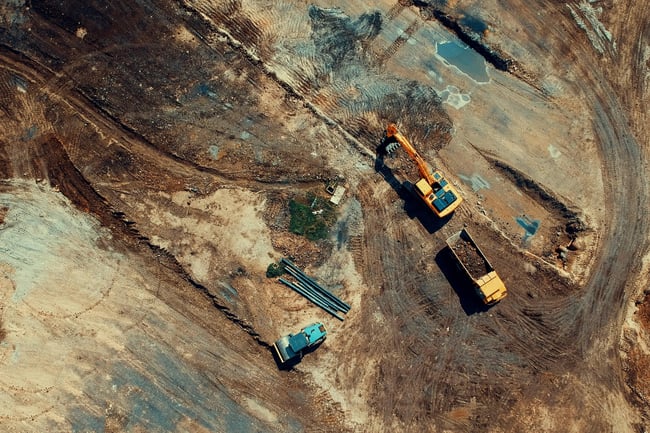
This advisory service isn’t meant to become a permanent attachment to your project. It’s designed as a bridge to help you get from designing to operating. It's a way for us to support your construction team now so that when you officially transition into operational compliance, everything is smooth, predictable, and already halfway done.
Once you’re fully up and running, you have three options:
Option A: We step aside entirely
You take it from here. Your operational work is done, your permits are in place, and you don’t need ongoing help. Great. We bow out. For simpler, smaller facilities with fewer ongoing compliance requirements, this is usually the way things go.
Option B: We stay on as a trusted advisor
Maybe you want someone to call when questions pop up. Maybe you want periodic check-ins. Maybe your team just appreciates having environmental backup. In that case, we stay on the bench until you need us. Think if you need help a few times a year, maybe monthly, bi-monthly, or quarterly check-ups and inspections, to keep you on track.
Option C: We run your entire environmental program
Some companies don’t want a part-time helper, they want a full environmental department without the overhead. We can take that on too. This service is a low-pressure, low-cost way to get the environmental partnership you actually need before operations begin, while positioning you for a clean, easy handoff no matter what long-term support model you choose. We act as your employee, or can even embed one of our staff members in your organization for seamless integration.
No! It’ll probably make it cheaper (in the long run)!
Let’s address the fear we know is floating around in your head right now. Bringing us in early does not mean paying for environmental plans before they can be written. You’re not duplicating work. You’re not replacing your contractor or engineer. And you’re not adding some giant new scope to an already overloaded construction schedule.
This early-stage advisory service is typically offered on a simple time-and-expense basis during the construction phase. Most companies only need us for a few hours total across the entire project. We jump on a meeting when something environmental comes up, review a layout before it’s finalized, talk through a tank location, or sanity-check decisions that might affect long-term compliance. That’s it.
You get us exactly when you need us, for as long as you need us, and you’re only billed for the actual time we spend helping.
We aren't bossing around your current contractors or demanding anything, we act as an advisor, and nothing more. And honestly, those small touchpoints at the right moments can make a massive difference in your long-term compliance costs. Once the build is complete, you’ll still move into the normal operational services you’d be paying for anyway (things like SPCC plans, SWPPPs, permit coverage applications, reporting, and everything else your facility requires to stay compliant).
The only added piece is the pre-construction advising, and that’s deliberately lightweight. No huge deliverable, no new binder, no unnecessary extras. Just smart environmental input before decisions get locked in.
And in almost every case, that early involvement saves money by avoiding:
The whole purpose of this service is simple: protect you from paying for environmental problems you never needed to have in the first place.
Whether you’re staring at conceptual drawings, reviewing 30 percent design plans, or just kicking around ideas with your contractor, this is the perfect moment to loop in an environmental professional. Truly. You are not jumping the gun. You are not bothering us. And you are definitely not “too early.”
Even the best contractors and engineers aren’t thinking about the long-term environmental realities you’ll face the moment that facility becomes operational. That’s not their job. Their focus is building a structure that stands, functions, and passes inspections... not determining whether your outfalls will be sample-friendly or whether your tank layout accidentally triggers a whole new set of environmental regulations. That’s where we come in.
If you want your new facility built in a way that supports smoother permitting, fewer surprises, and long-term compliance that doesn’t drain your budget or your team, early guidance makes all the difference. A few hours of well-timed environmental input now can save you years of frustration and thousands of dollars later.
So if you’ve got a project coming up (or even just one you’re thinking about), reach out here. Let’s talk through it. We’re ready to help from day one, and we’re happy to be the steady, behind-the-scenes support your project team didn’t even know they needed.
Copyright © Resource Management Associates