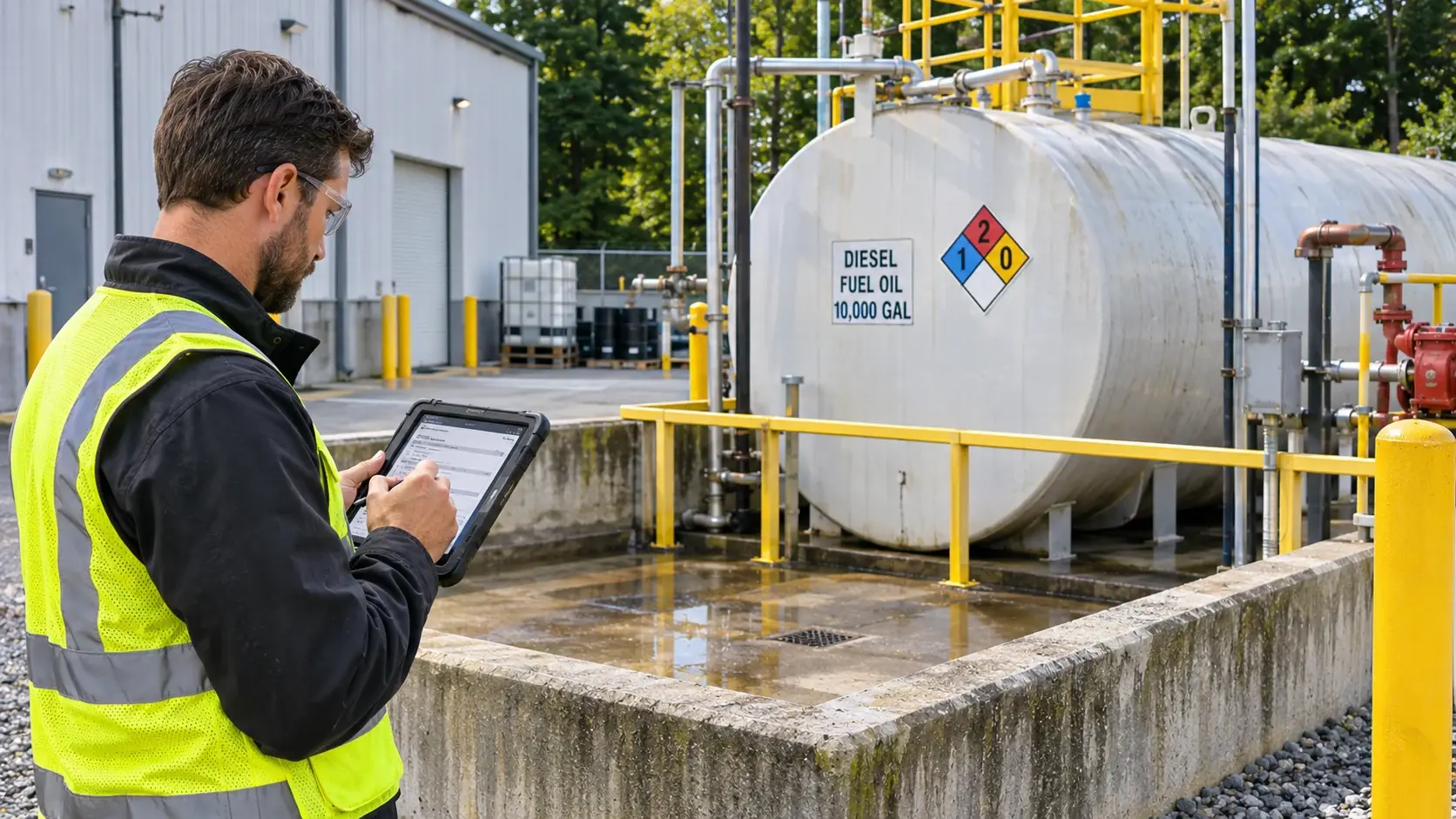
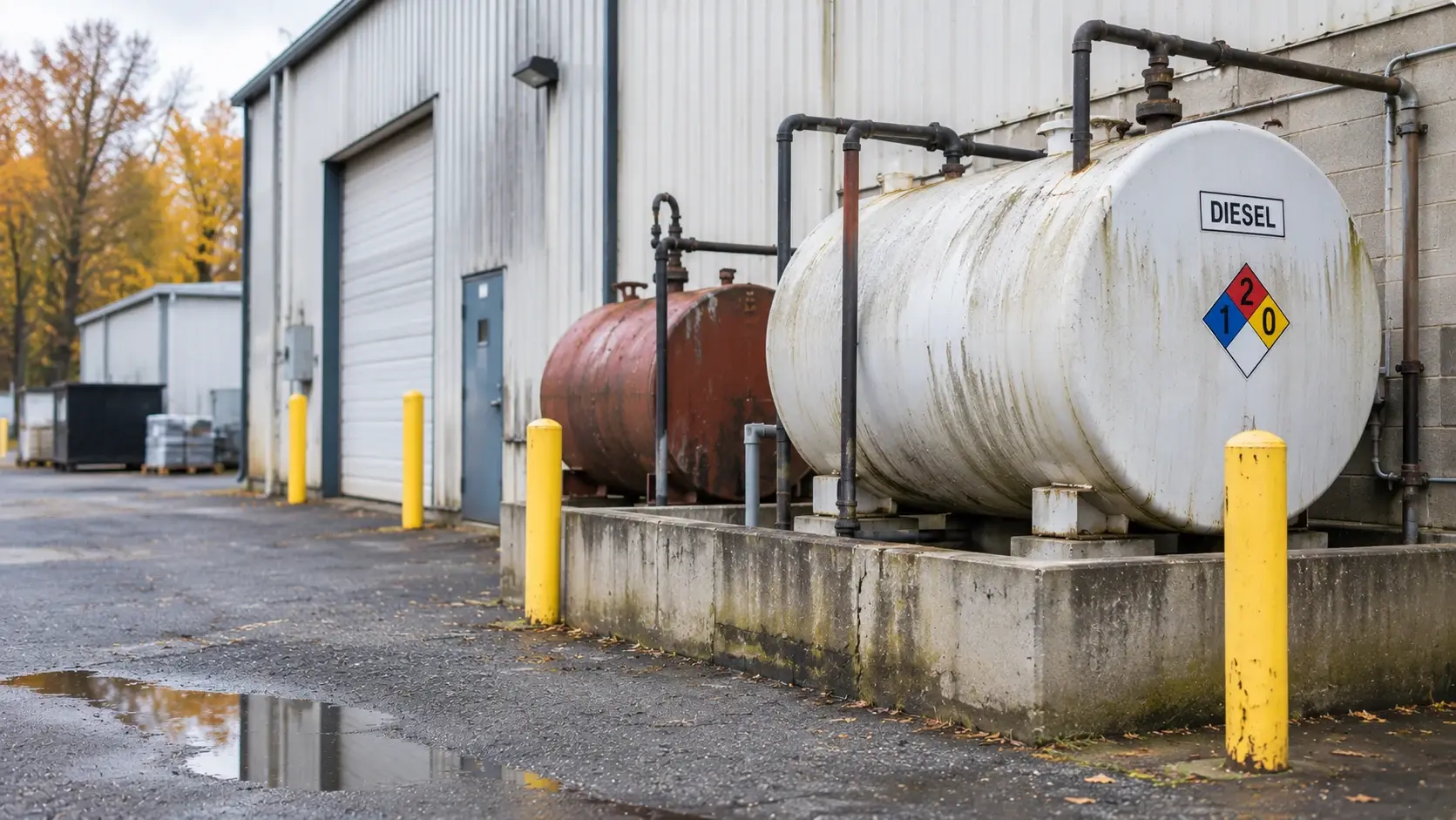
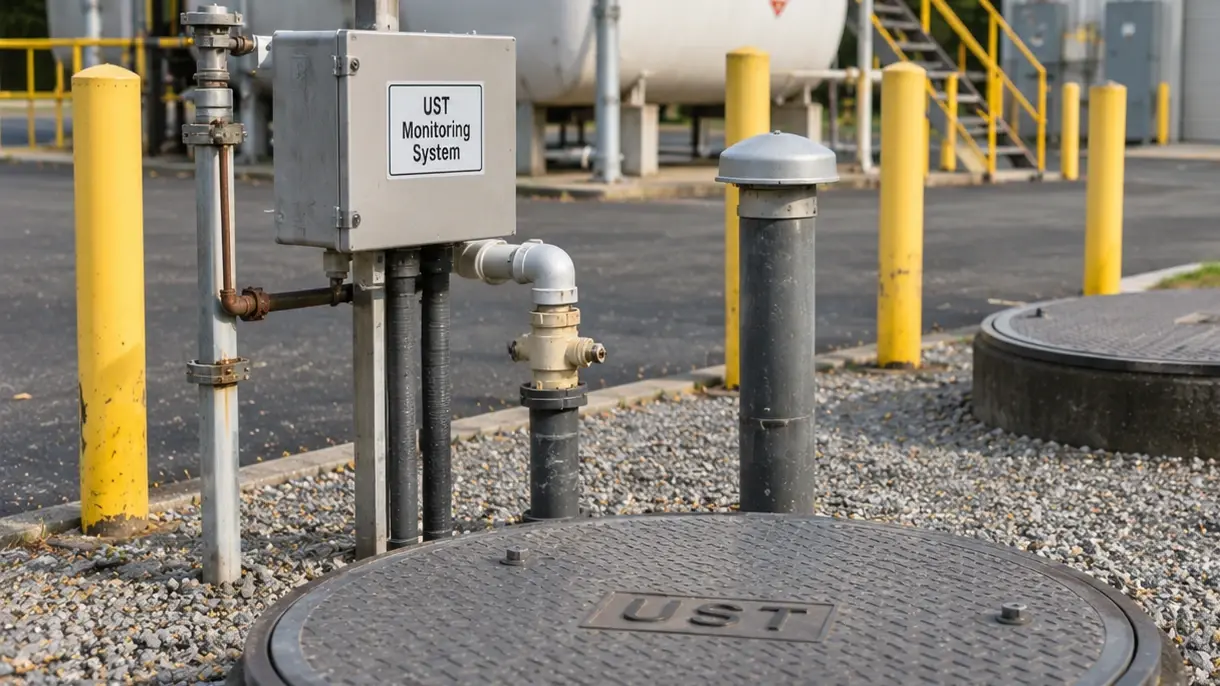
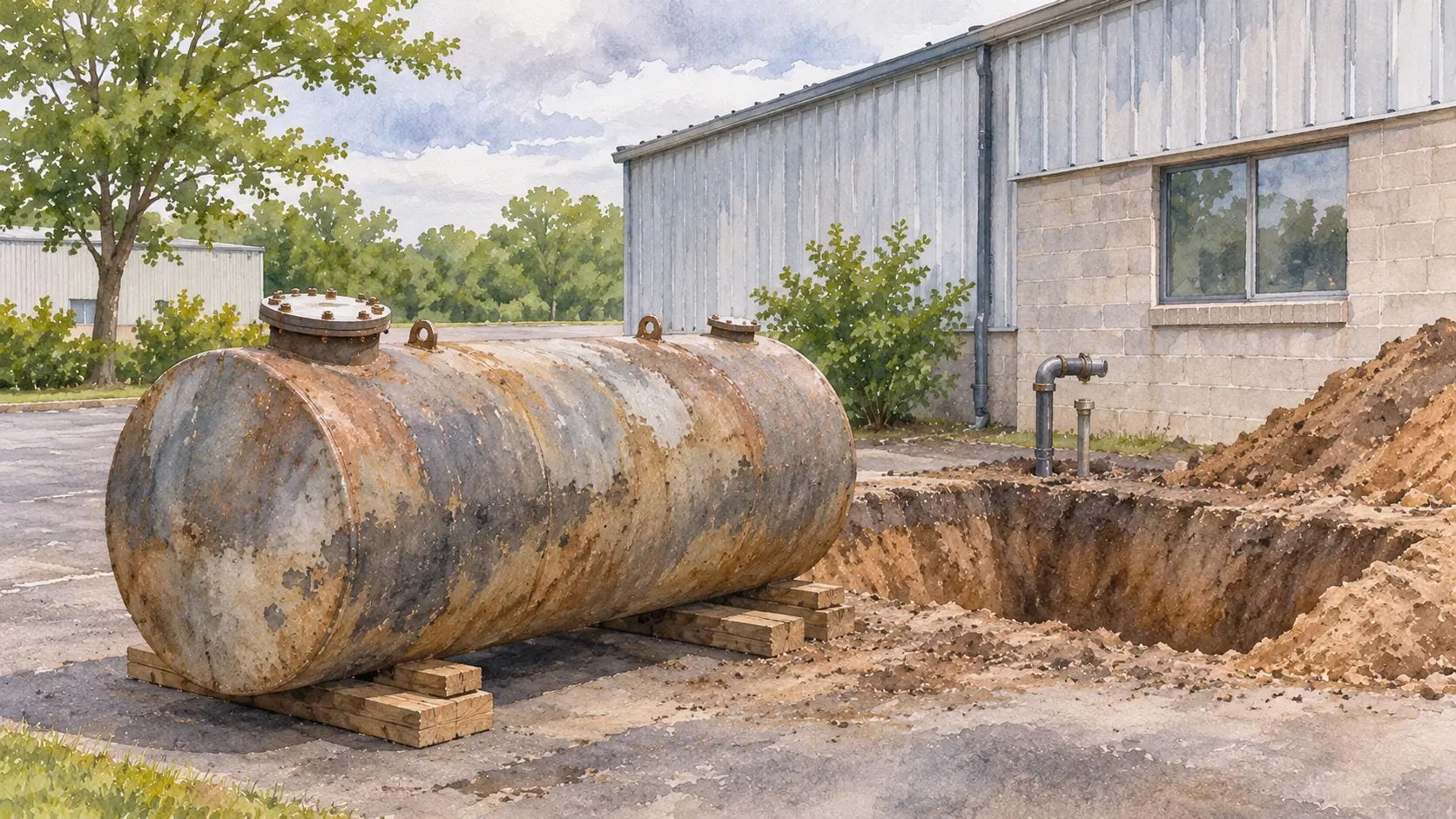
Visit the New Jersey SPCC Plan Help Center SPCC's Permanently Closed Definition, New Jersey's Underground Tank Closure Steps, and How Closure Changes Your Oil Storage Count A tank that's empty and...
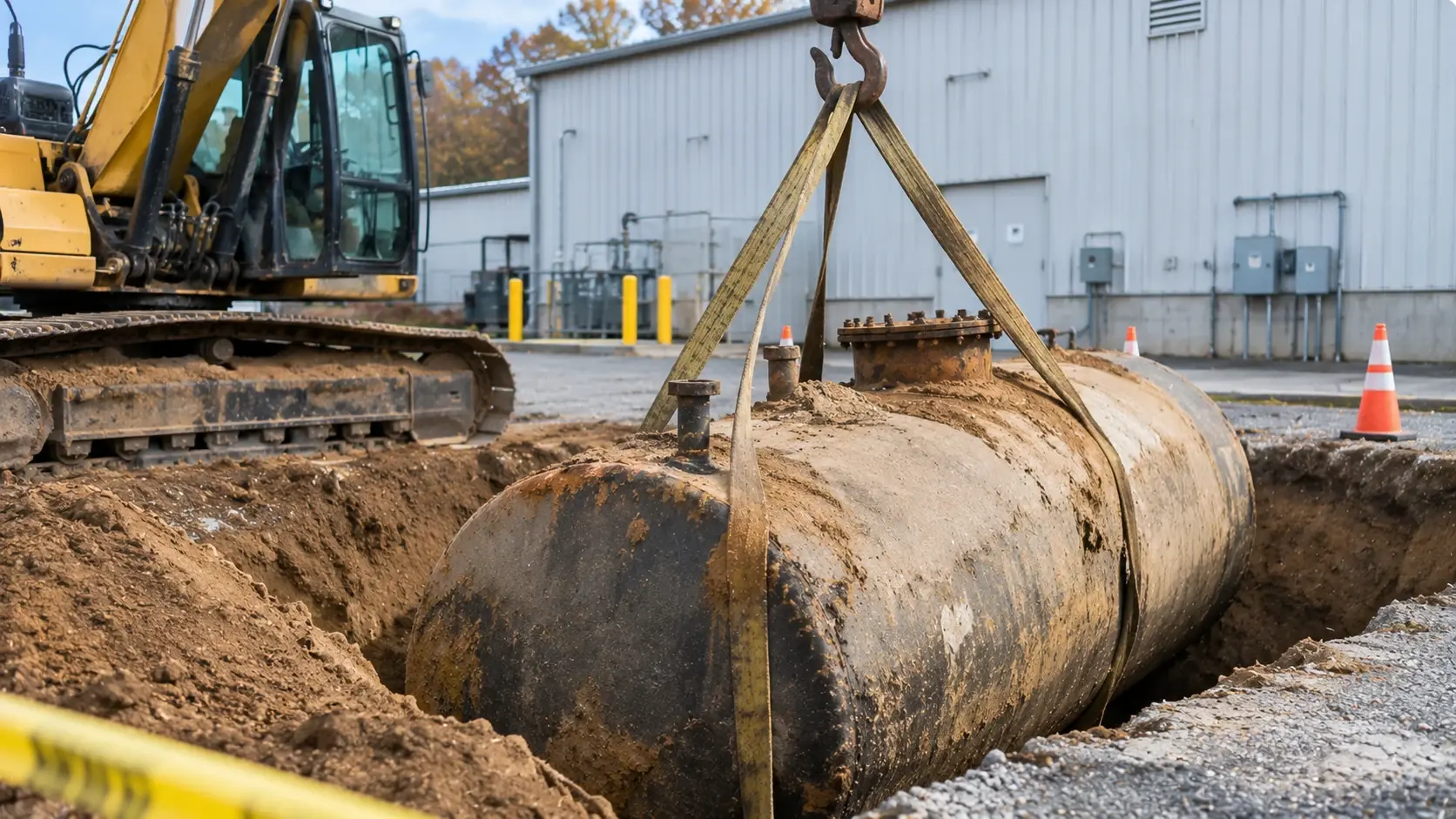
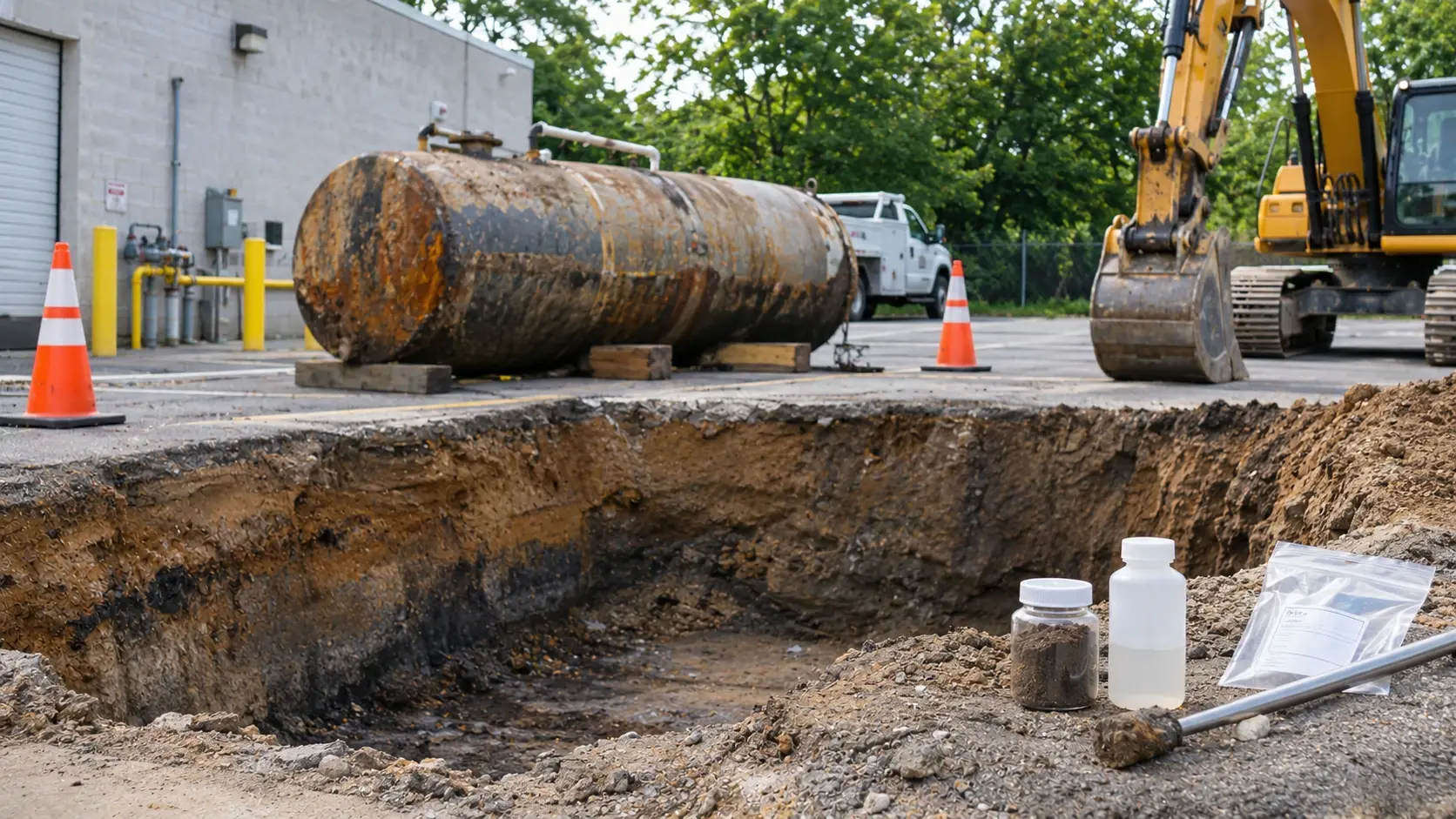
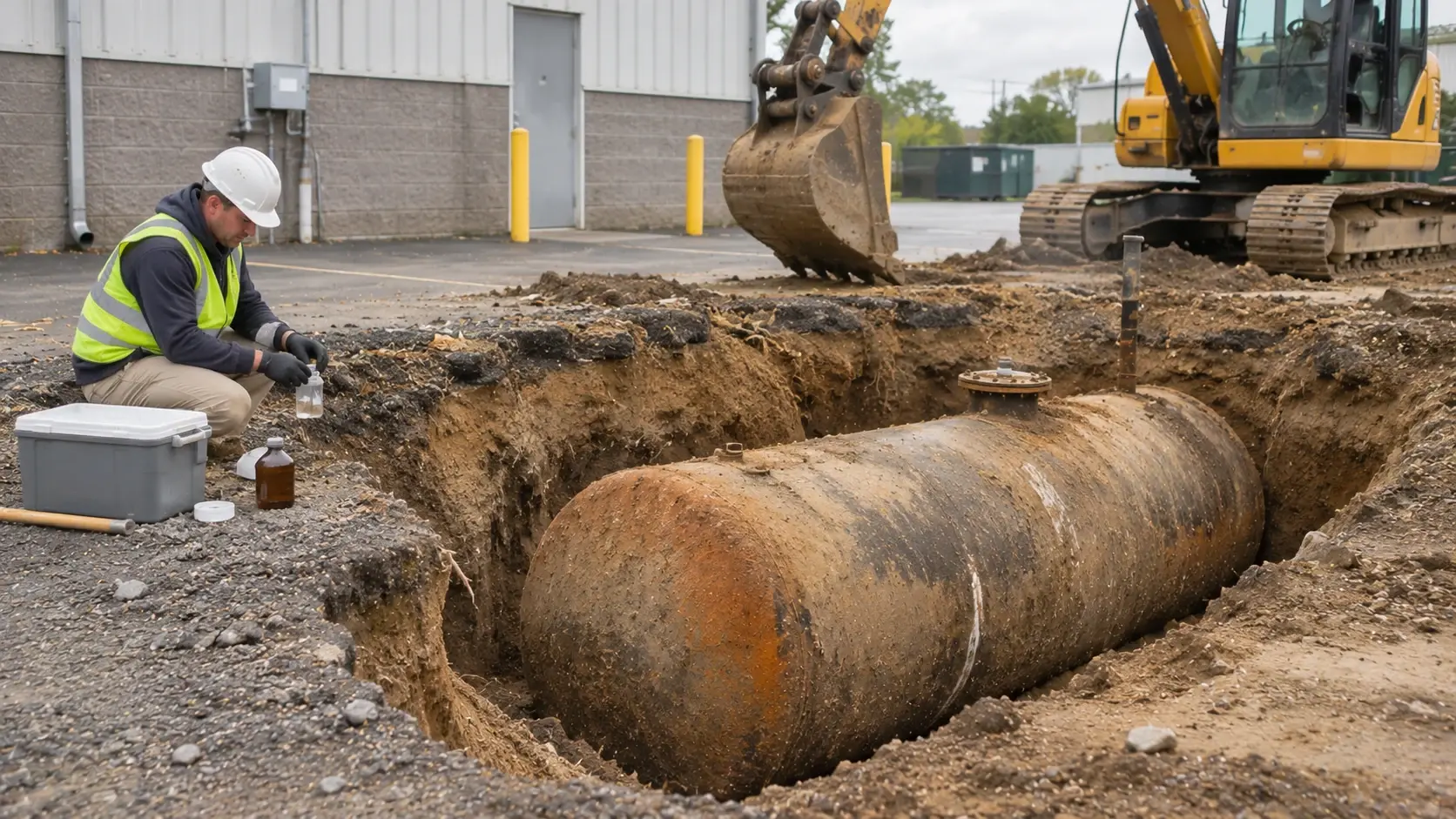
Visit the New Jersey SPCC Plan Help Center Certified Contractors, NJDEP Notice, Sampling, What Happens If You Find Contamination, and the SPCC Update Afterward Pulling an old underground tank out of...
Visit the New Jersey SPCC Plan Help Center What an Environmental Audit of Your Oil Storage Examines, Why Facilities Order One, and How the Findings Get Ranked If you store oil at a New Jersey...
Visit the New Jersey SPCC Plan Help Center Buying a New Jersey Property With Oil Tanks: How a Phase I Treats Current and Former Tanks, Staining, Registrations, and Spill History You found a property...
Visit the New Jersey SPCC Plan Help Center Class A, B, and C Underground Storage Tank Operators Explained, and How They Fit With Your SPCC Plan Plenty of facility managers learn about underground...
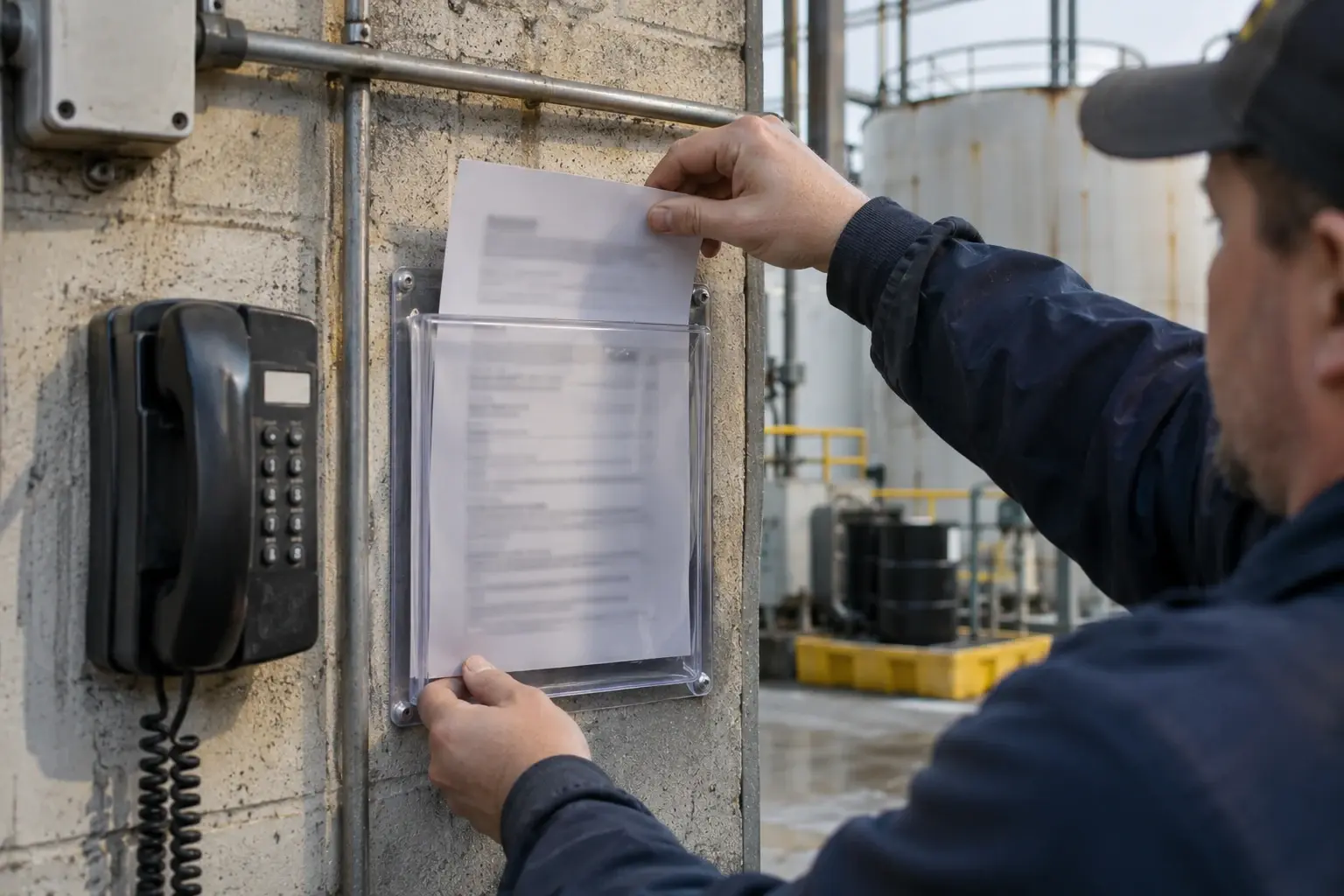
Visit the New Jersey SPCC Plan Help Center Which Emergency Contacts Belong in a New Jersey Oil Spill Plan, and How to Keep the List From Going Stale The contact page is the part of an oil spill plan...
Visit the New Jersey SPCC Plan Help Center SPCC Closure Rules and New Jersey Underground Tank Closure Steps for Facility Owners When a tank at your facility reaches the end of its life, or you stop...
Visit the New Jersey SPCC Plan Help Center Certified Contractors, NJDEP Notification, Sampling, and What Happens If You Find Contamination Pulling an old tank out of the ground looks like a simple...
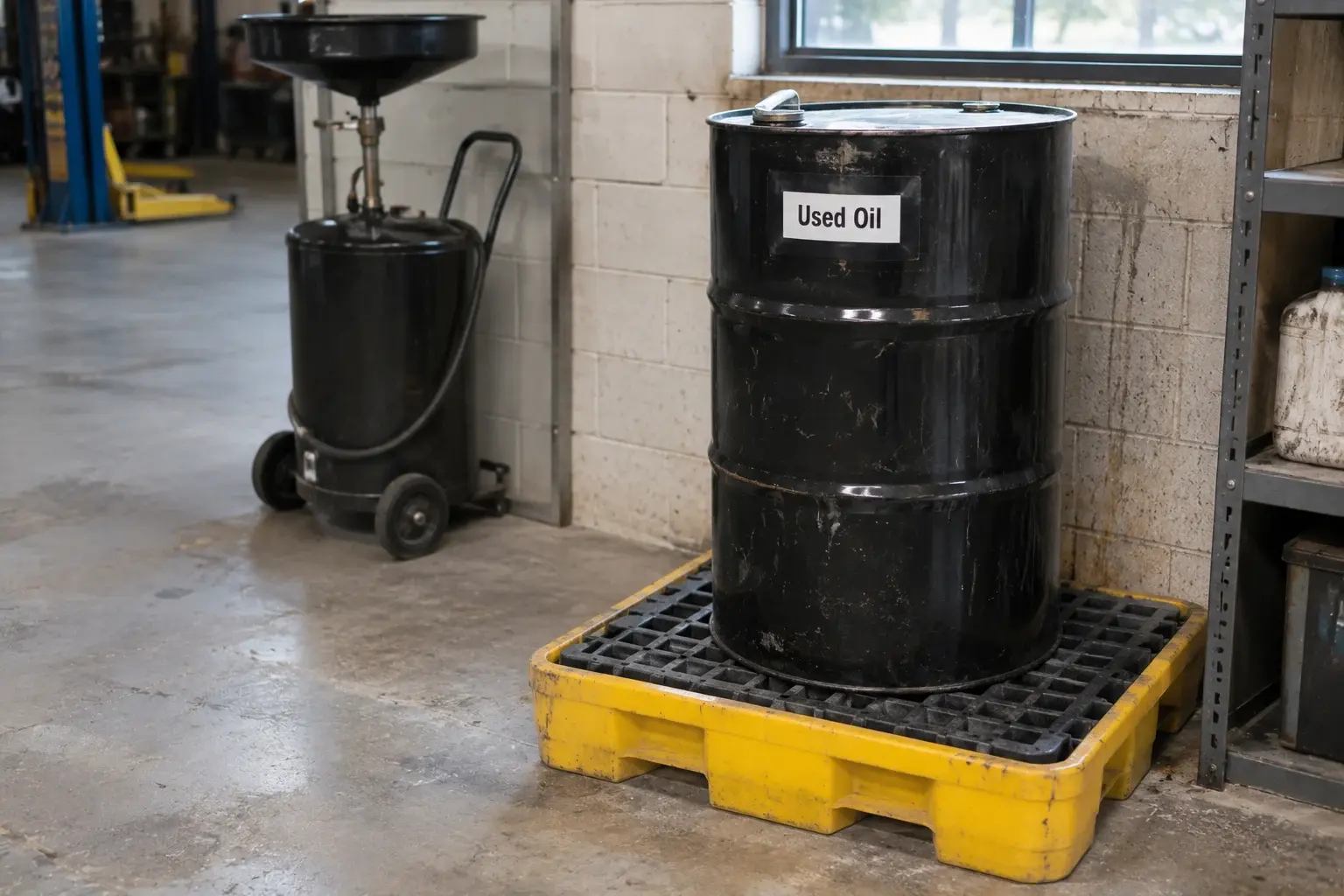
Visit the New Jersey SPCC Plan Help Center Used Oil Storage, Labeling, Spill Response, and Hauling Rules for New Jersey Shops, Fleets, and Manufacturers Used oil is what's left in the engine,...
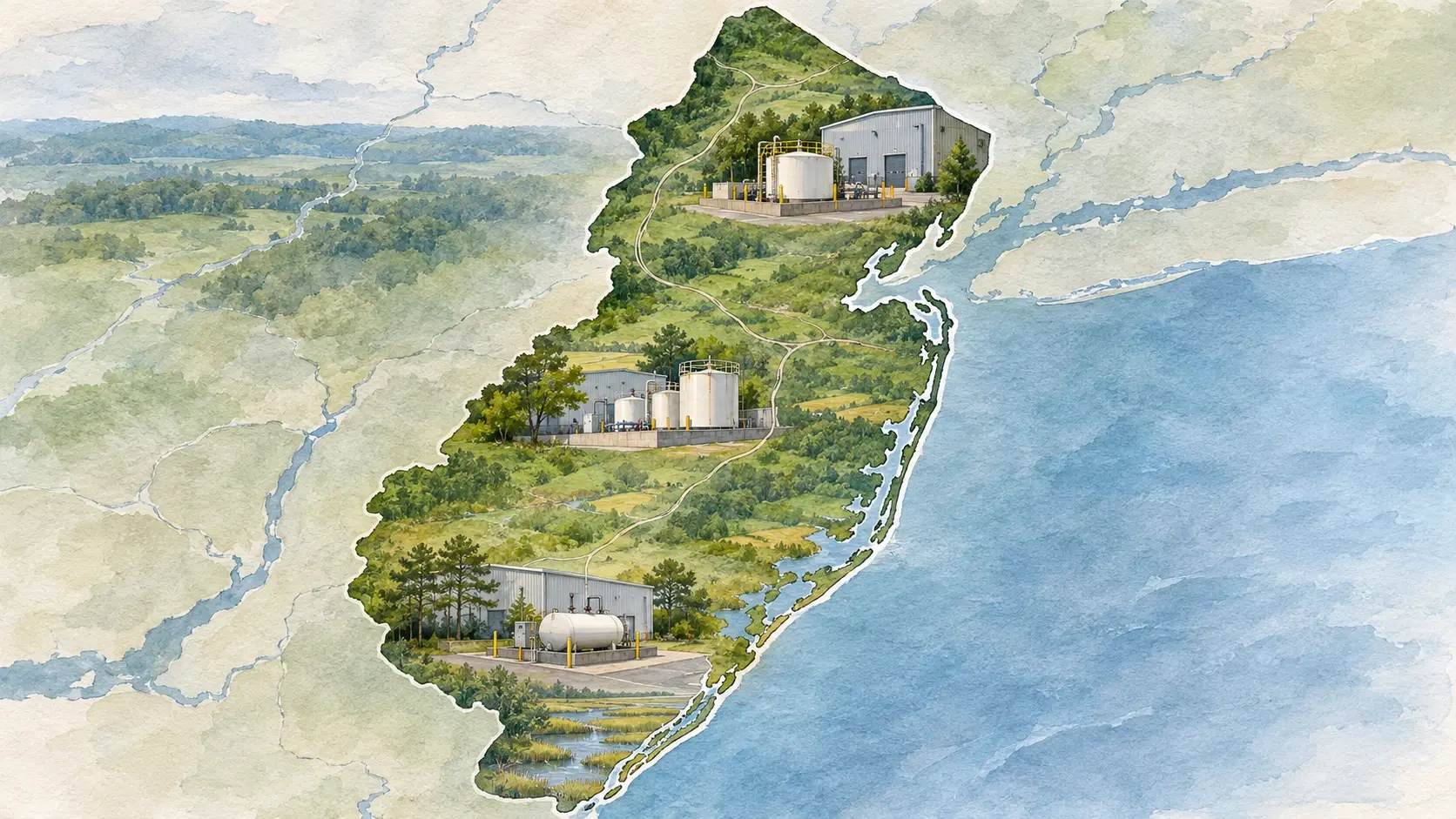
Visit the New Jersey SPCC Plan Help Center RMA Prepares SPCC Plans for Facilities Across New Jersey, Region by Region If you manage a New Jersey facility that stores oil, sooner or later someone asks...