The Short Version: The 5G2 is intended for eligible industrial facilities that have eliminated, or can eliminate within six months of authorization, exposure of industrial materials and activities to stormwater.
The 5G2 often sounds like the obvious place to start because it's called the Basic Industrial Stormwater Permit. But the word "basic" can be misleading. This isn't a general pass for facilities that keep most of their operations clean or only have a little outdoor storage.
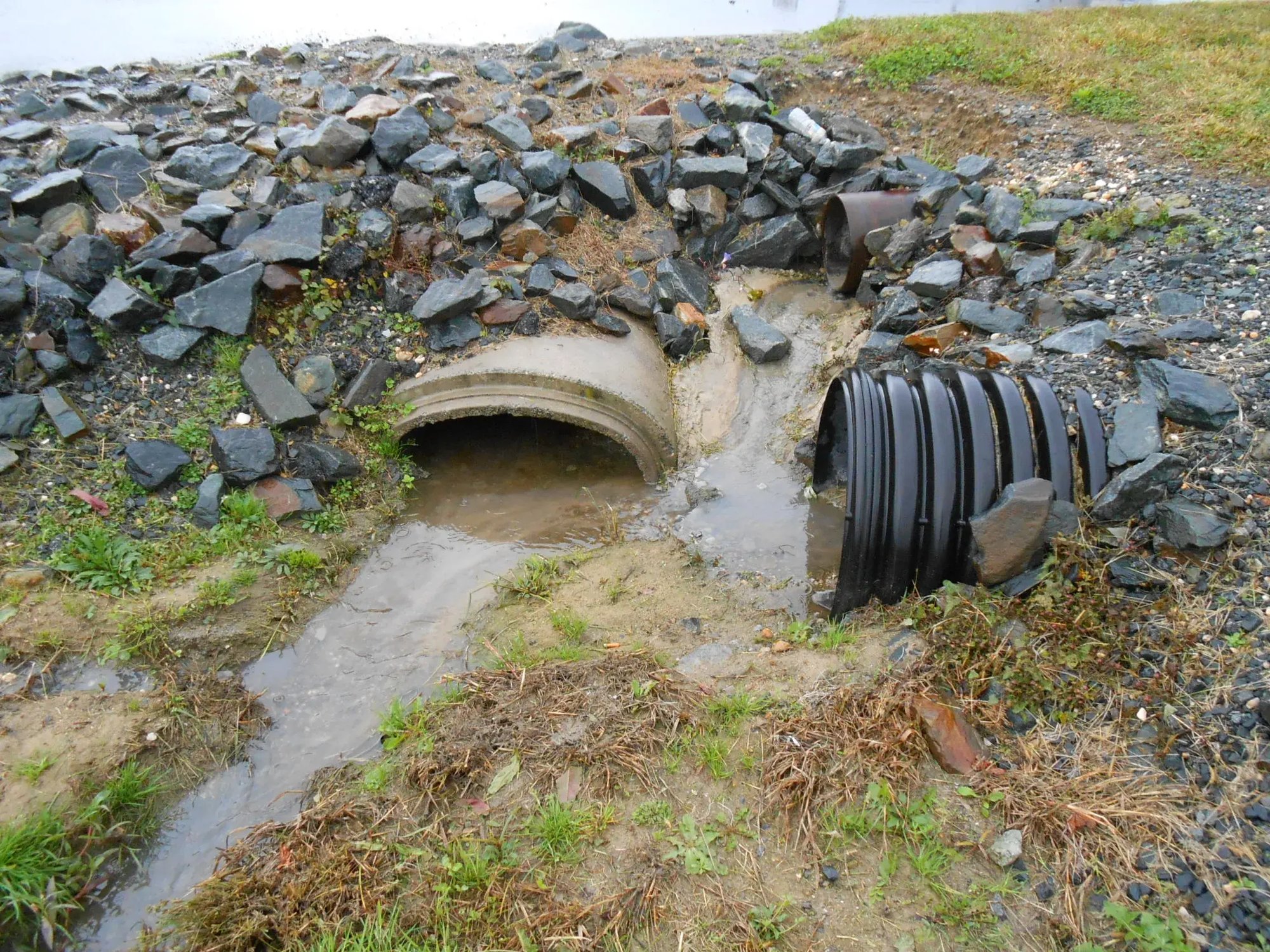
The key question is whether industrial source materials and activities are actually exposed to rain, snow, snowmelt, or runoff. A facility operating predominantly indoors may be a good candidate. A facility with outdoor scrap piles, uncovered waste, material transfer operations, or equipment that exposes pollutants to stormwater may have a much harder time qualifying.
NJDEP allows qualifying facilities to eliminate exposure within the period established by the permit. That may involve bringing materials indoors, covering specific areas, changing outdoor handling practices, or improving how materials are stored. The applicable permit conditions determine what is acceptable, so you shouldn't assume that throwing a tarp over something automatically solves the issue.
Facilities operating under 5G2 still have compliance responsibilities, including preparing and maintaining an appropriate Stormwater Pollution Prevention Plan, implementing best management practices, and completing any inspections, certifications, or other conditions required by the permit.
RMA can review your operation, identify potential exposure issues, evaluate whether 5G2 is realistic, prepare the required materials, and help your team maintain coverage over time.
The Short Version: New Jersey has separate industrial stormwater general permits for several types of businesses, including concrete producers, scrap metal processors, vehicle recyclers, asphalt plants, mines, quarries, and certain other operations.
These permits exist because the stormwater risks at one kind of facility can look very different from those at another. A concrete plant has different materials, runoff concerns, and operational practices than a scrap yard or hot mix asphalt plant.
Industry-specific general permits can establish their own eligibility rules, Stormwater Pollution Prevention Plan requirements, best management practices, inspections, monitoring, reporting, or pollutant limits. For some facilities, an industry-specific permit is the most practical route when outdoor industrial activities can't be completely eliminated.
But there is an added complication in New Jersey: a listed general permit isn't necessarily available for every new applicant at every point in time. Some categories have been revised or renewed, while others may have expired master permits or existing authorizations operating under administrative continuation. Availability and eligibility need to be confirmed against NJDEP's current information.
RMA works with New Jersey industries that have specialized stormwater requirements. We can help determine which permit category fits, whether coverage is currently available, what the application requires, and what the facility needs to do after authorization.
The Short Version: If your facility needs industrial stormwater permit coverage but cannot qualify for an appropriate general permit, an individual NJPDES stormwater permit may be necessary.
An individual permit is written for a particular facility rather than authorizing many similar facilities under one standard set of conditions. This is a common consideration for operations with exposed industrial activities that don't fit 5G2 or any usable industry-specific general permit.
Individual permitting can involve a more detailed evaluation of facility processes, drainage areas, outfalls, potential pollutants, discharge destinations, and receiving waters. Depending on the site and NJDEP's requirements, the application may also involve existing discharge data, sampling, site maps, supporting technical information, or agency coordination.
The permit may establish facility-specific best management practices, inspections, sampling parameters, reporting responsibilities, and sometimes effluent limitations. Preparing the application is only one phase of the process. Facilities also need to understand and implement the final permit conditions once coverage is issued.
Because individual permits involve more site-specific review, they can take longer and cost more than simpler general permit projects. Timelines depend heavily on the facility and NJDEP's review process.
RMA can help assess whether an individual permit is necessary, develop the required application materials, coordinate with NJDEP, prepare your SPPP, and support your ongoing compliance obligations.