Does My Business Need an Environmental Consultant... or Not??
If you’re asking that question, something probably triggered it.
Maybe a lender brought it up during a property transaction.
Maybe you’re a facility manager and someone mentioned permits, plans, or approvals.
Maybe an inspector asked a question you weren’t expecting, and now you’ve got that sinking feeling that there are environmental rules in play and you’re not totally sure what they are.
That’s usually how this starts, and if you feel a little unclear on what you’re actually supposed to do next, you’re in very good company. We talk to people in this spot all the time, and I mean that! We get emails and phone calls daily about needing help with an environmental service, by folks who just aren't sure where to start.
Most of them aren’t trying to become environmental experts or tackle a huge problem on their own. No, they’re just trying to make a smart business decision, avoid unnecessary risks, and figure out whether they actually need help, what kind of help they need, and whether a firm like RMA is even the right fit.
If that sounds familiar, this article is for you. And if you’d rather just talk it through with someone who deals with this every day, you can always contact RMA here. You can talk to an expert directly instead of trying to figure out what applies.
Table of Contents
Environmental Consultant Isn’t One Thing
One of the biggest reasons this topic gets so confusing is that “environmental consultant” sounds like a single role. It really isn’t. It’s more like a broad umbrella that covers a whole bunch of different specialties, and those specialties don’t all solve the same kind of problem.
Think of it like saying someone is a mechanic. Are we talking cars, fighter jets, or cruise ships? The same applies to any environmental consultant out there.
Some environmental firms help operating businesses figure out permits, plans, reporting, and ongoing compliance. Some focus on wetlands, endangered species, and the environmental requirements that come with building a brand new site. Some deal with contamination, site assessments, and cleanup. Some do a mix of those things, and some stay in a very narrow lane.
That’s why the question “Do I need an environmental consultant?” is not always the best starting point. The better question is usually, “What kind of environmental problem am I trying to solve?” Once you ask it that way, things start to make a lot more sense. The trick is that most people asking this question are not environmental professionals, and they shouldn’t have to be. They just need a practical way to understand the different types of firms they might run into and where those firms tend to fit.
If you want a broader primer on the subject, our article on environmental consultants explained for business owners and operators is a helpful place to keep reading.
These Environmental Consulting Categories Aren’t Perfect, But They’re Useful
Before we start putting anything into buckets, it’s important to understand there is no official industry classification system ir anything like that where firms are neatly labeled "Category 1", "Category 2", or "Category 3", and there is certainly no requirement that one firm can only do one type of work. In the real world, environmental consulting is a bit messier than that. Firms tend to build around a core specialty, but then they often add adjacent services based on the background of their team, the needs of their clients, or the kinds of projects they’ve done over time.
But for arguments sake, let's run with that Category 1, 2, and 3 idea.
Category 1: Ongoing Compliance and Operating Facility Support
This is the category where RMA primarily lives, and it’s the one that tends to matter most once a business is up and running. If you operate a facility that stores fuel, oil, chemicals, or waste, discharges stormwater, emits something to the air, or otherwise has ongoing environmental obligations tied to how the site operates, this is usually the kind of consultant you need.
The work in this category is less about building something new and more about keeping an operating business on the right side of environmental requirements over time. In practical terms, that means helping you figure out if permits apply, developing required plans, supporting inspections, handling reporting, training staff, performing audits, and giving you a reliable place to go when the rules are not obvious.
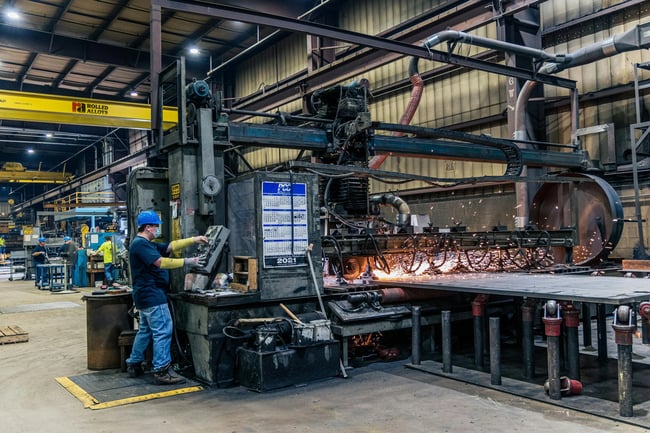
A mid-sized manufacturing facility is a good example. If you’ve got industrial processes, oils, chemicals, water use, waste streams, air concerns, loading areas, and stormwater leaving the site, there is a good chance you need ongoing environmental compliance support. The same goes for certain transportation yards, marine facilities, concrete operations, industrial terminals, warehouses with regulated material storage, and many other operating sites that have real environmental exposure built into the day-to-day business. If that sounds like your world, it may help to read more about environmental compliance for manufacturing facilities or the top environmental compliance challenges for industrial facilities.
This category can also include due diligence in some cases, which is part of why the lines get blurry. For example, if you are buying a commercial or industrial property and a lender requires environmental review before closing, a firm like us may be the right fit to help with that process. If the property looks clean and the transaction moves forward, great. But if that assessment uncovers contamination that needs to be cleaned up, you may now need a different type of consultant in addition to the one who helped with the due diligence. That overlap is not unusual. It’s actually one of the main reasons people find this whole topic so confusing.
The simplest way to think about Category 1 is this: if your business is already operating, or is about to operate, and you need help understanding and managing the environmental requirements tied to that operation, this is probably the lane you’re in. This is where services like SPCC plans, NPDES stormwater permitting, Tier II reporting, TRI reporting, environmental audits, and even a fully outsourced environmental department tend to fit.
Category 2: Construction, Development, and Natural Resource Consulting
This is the category that usually comes into play when you are building something new, expanding a site, or disturbing land in a way that triggers environmental requirements during the construction phase itself. This is not primarily about how the site will operate years from now. It’s about the environmental issues tied to the act of developing the property in the first place. That can include wetlands delineations, endangered species issues, habitat concerns, permitting related to land disturbance, EIS work, and other constraints that can affect whether and how a project moves forward.
A real-world example would be a company building a brand new industrial site from the ground up. Before that site is ever operational, there may be environmental questions tied to clearing land, grading land, disturbing soils, affecting drainage patterns, or working near wetlands, streams, or habitat areas. That business may absolutely need an environmental consultant, but not necessarily the kind that handles ongoing operational compliance like Category 1. They need a consultant whose specialty is construction and development-related environmental work. That’s a different lane, with different rules, different regulators, and often a different set of technical skills. We’ve even written more specifically about when a construction project may call for an environmental consultant.
At the same time, this is where the nuance matters. Just because you need a consultant who helps with construction doesn't mean you won't also need a consultant who handles operational permitting. In fact, you often will. Once the site is built and the project shifts from construction to operation, the environmental requirements usually change. The business may then need stormwater permit support, spill prevention planning, reporting, inspections, air permitting, waste compliance support, or other operational systems that fall squarely into the Category 1 world. So it’s not that one category replaces the other. It’s that they often apply at different phases of the same project.
Category 3: Contamination, Site Assessment, and Cleanup
This category tends to show up when there is an existing environmental problem, or at least a suspected one. If there’s a leaking storage tank, contaminated soil, groundwater concerns, a history of releases, or a property with enough question marks that someone needs to investigate what’s going on, this is the type of consultant you’re usually dealing with. They handle things like site investigations, contamination assessment, remediation planning, and cleanup oversight.
A good example would be a property purchase where a Phase I Environmental Site Assessment identifies a possible recognized environmental condition. At that point, the transaction may move from relatively straightforward due diligence into a more technical investigation or cleanup conversation. If a leaking tank is discovered, you may need a remediation-focused consultant to handle the contamination side of the issue. They might oversee tank removal, contaminated soil excavation, groundwater evaluation, or other corrective work. That is not the same thing as ongoing compliance support for an operating facility, even though both are "environmental" in nature.
And again, there can be overlap. Let’s say a business removes an old leaking oil tank, cleans up the contaminated soil, and installs a new replacement tank. Once the cleanup is done and the facility continues operating with a new regulated tank or new oil storage arrangement, that business may also need support for things like an SPCC plan, inspection preparation, or ongoing reporting tied to how the site now operates.
Why This Environmental Gets Confusing So Quickly
If this all sounds a little messy, that’s because it is. Most businesses do not fit perfectly into one tidy box, especially if they’re dealing with a property transaction, a construction project, a contamination issue, or a growing operation that’s changing over time. A business might start by needing due diligence for a purchase, then discover a contamination issue, then bring in a cleanup specialist, then eventually become an operating facility that needs long-term compliance support. In that one scenario, you may need a team of different consultants at different parts of your project.
That’s why it can feel like everybody is talking about “environmental consulting” while meaning completely different things. One person may be talking about wetlands and land disturbance. Another may be talking about operational permits and reporting. Another may be talking about contamination and remediation. None of them are necessarily wrong. They’re just talking about different parts of the same broader environmental picture. In simpler situations, you’ll probably fall mostly into one category. In more complicated ones, you may need more than one type of consultant at different points in time, or even at the same time.
If you’re trying to sort through that confusion, a few related articles may help fill in the picture, including how environmental consulting works, what an environmental consultant does for businesses, and how to choose the right environmental consultant for your business.
Consulting-Adjacent Industries: Where Consulting Ends and Other Professions Begin
There’s another layer to this that’s worth clearing up, because not every environmentally related problem is really a consulting problem. There are several professions and industries that are closely tied to environmental work, but they are not the same thing as environmental consulting.
The best way to think about these adjacent industries is that consultants often sit in the middle and help connect the dots, but they do not replace every other professional in the process. That’s one reason it’s so valuable to work with a firm that is comfortable saying, “Yes, this part is ours, but this other part belongs to someone else.” It’s a lot more trustworthy than pretending everything falls under one roof when it clearly doesn’t.
Environmental Engineering
Engineering is one of the biggest examples. If you need a treatment system designed, a containment structure engineered, drainage or grading plans developed, stamped drawings prepared, or some other technical design solution created, that’s engineering work. An environmental consultant may help identify what needs to happen from a regulatory or compliance perspective, but the actual design work belongs to an engineer. The same goes for many construction-related details where technical design and build specifications are needed to move a project forward. This isn't always the case, but in our world and the types of projects we work on, this is how things usually land.
Environmental Law
Environmental law is another adjacent field that matters a lot. If you’re dealing with legal liability, enforcement actions, lawsuits, major penalties, contracts with serious environmental risk, or negotiations where legal strategy matters, you may need an environmental attorney. A consultant can help identify the issue, explain the technical side, or support corrective action, but they are not your lawyer, and they should not pretend to be. If things are moving into legal territory, that is a different profession entirely.
Environmental Labs
Laboratories are another good example. If you need stormwater samples analyzed, a lab is the entity that actually performs the testing. In some cases, a consultant helps determine what should be sampled, how the sampling should be done, what the results mean, or how those results fit into the bigger compliance or cleanup picture. But the lab itself is not the consultant, and the consultant is not the lab. Those are two different roles that often work together.
Environmental Emergency Response
Emergency response contractors are another important adjacent category. If you have a major oil or chemical spill, a tank failure, or an active release threatening soil, storm drains, or nearby water, you typically need a cleanup contractor with the equipment, trained crews, and materials to respond immediately. Their job is to contain the problem, recover material, and prevent further damage as quickly as possible. A consultant may help with reporting, documentation, and regulatory coordination after the situation is under control, but they are not the ones showing up with boom, vac trucks, or emergency response crews.
When You Genuinely (Probably) Don’t Need an Environmental Consultant at All
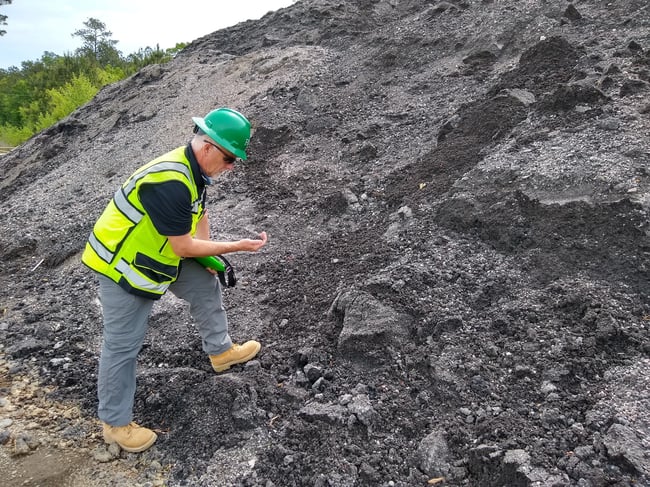
This is the part a lot of firms won’t say out loud - you may not really need us! There are absolutely situations where you probably do not need an environmental consultant at all. If you run a small, low-impact business with no meaningful environmental exposure, no land disturbance, no material storage concerns, no discharge issues, and no complex compliance obligations, then there may simply be nothing here that justifies hiring a consultant.
A simple example would be a small industrial operation in a leased business park or industrial park setting. Things like your NAICS code, materials stored, and processes, could mean you do, or don't, fall under various regulations. It all depends! You also may not need a consultant if your situation is genuinely simple, low-risk, and already well understood. Sometimes there really isn’t a hidden issue. Sometimes no meaningful environmental rules apply to what you’re doing, and trying to force a consulting solution into that situation just creates unnecessary cost and complexity.
Not every business needs an SPCC plan. Not every property deal turns into a contamination issue. Not every company needs a permit just because the word “environmental” came up in a conversation.
There’s also a very real scenario where you do have environmental requirements, but you’re already handling them effectively in-house. Maybe you have an experienced environmental manager or a small team that understands your operations, keeps up with reporting, stays on top of permits and plans, and has a good handle on inspections. If you’re consistently passing inspections, not running into issues, and you feel confident in your systems, you may not need outside consulting support on a regular basis. In those cases, a consultant might only come into play occasionally for a second opinion, a specific project, or a complex situation, rather than as an ongoing partner.
The difference usually comes down to risk, complexity, and exposure. If there’s little to no environmental impact, no real regulatory driver, and no complicated system to manage, then you may not need an environmental consultant, a specialist, a lawyer, an engineer, or anybody else in this space. And honestly, that’s a perfectly good answer too. If you’re unsure whether you truly have compliance exposure, our articles on what environmental compliance actually is and five key questions to determine your environmental compliance needs can help you sanity check that.
How to Think About What You Actually Need, Environmentally At Least
If there’s one thing to take away from all of this, it’s that the real question is not simply whether you need an environmental consultant. It’s what kind of problem you’re dealing with, what phase of that problem you’re in, and whether the help you need is about operations, construction, contamination, or something else entirely. Once you frame it that way, the decision usually gets a lot clearer.
Ask yourself, where do you land? What do you really need handled?
If you run an operating industrial or commercial facility and need help with permits, plans, inspections, reporting, or long-term compliance, that's usually one area of expertise.
If you’re building a brand new site and dealing with land disturbance, wetlands, habitat issues, or construction-phase environmental requirements, that's often a different area of expertise, but can overlap as well.
And if you’re dealing with contamination, tank releases, property concerns, or cleanup, you’re probably in a different category as well.
And yes, there can be overlap. A property may need due diligence first, then long-term regulatory compliance support after the site is up and running. This is exactly why the topic feels so murky to people from the outside. There is overlap, there is sequencing, and different specialists may step in at different times.
That’s also why it helps to talk to a firm that’s willing to be candid about where it fits and where it doesn’t. At RMA, we’re very comfortable having that conversation. We know what we know, and know what we don't know. If your situation sounds like a fit for our kind of work, we’ll tell you. If it sounds like you need a wetlands specialist, a remediation firm, an engineer, a lawyer, or nobody at all, we’ll tell you that too. You can also browse our services overview, the industries we work with, or the locations we serve if you want to get a better sense of where we tend to fit.
Final Thoughts on Environmental Consultants
The phrase “environmental consultant” makes this all sound a lot simpler than it really is. In reality, it covers different specialties, different project phases, and sometimes entirely different professions working together around the same problem. That doesn’t mean it’s impossible to understand. It just means the most useful question is not, “Do I need an environmental consultant?” but rather, “What exactly is going on here, and who specializes in that?”
Once you look at it that way, the path gets a lot clearer. In many cases, you’ll mostly fall into one box. In some, you’ll need more than one kind of help over time. And in others, you may not need anyone in this world at all. The goal is not to hire a consultant for the sake of hiring a consultant. The goal is to solve the right problem with the right expertise and avoid turning a manageable issue into an expensive one.
If you’re trying to figure out whether your situation calls for a firm like RMA, a different kind of specialist, or no consultant at all, reach out to RMA. If you want to keep researching first, you can also explore our pricing overview, the service pricing calculators, our online environmental assessment, or the RMA Learning Center. We’ll help you sort out what you actually need, and if we’re not the right fit, we’ll say so.