The SIC Code Test That Decides Whether PA DEP's Industrial Stormwater Rules and PAG-03 Apply to Your Pennsylvania Facility
Most business owners don't think of themselves as "industrial." A craft brewery, a cabinet shop, or a sign maker doesn't feel like a steel mill. PA DEP doesn't decide based on how a business feels, how big it is, or what the zoning map says. For industrial stormwater, it starts with a single question: what is your facility's primary activity, as described by its Standard Industrial Classification (SIC) code? If that code is on the federal list of industrial categories that DEP follows, stormwater permit coverage is on the table, and you'll either need PAG-03 coverage or a No Exposure Certification. If your code isn't on the list, the industrial stormwater rules generally don't apply to you, though DEP can still step in if your runoff is carrying pollution.
In this article we'll explain how the SIC code test works, which codes are covered across the board and which are covered only partway, and which Pennsylvania businesses tend to be surprised in each direction. We've included a table of common business types and whether they're typically listed. We'll also explain why being on the list is only the first step. If you'd like help figuring out where your facility lands, feel free to reach out to RMA.
Table of Contents
TL;DR
PA DEP decides whether your business is "industrial" for stormwater purposes mostly by the industry code for your primary activity, the one that brings in the most revenue. Heavier industries like metals, chemicals, lumber and wood products, concrete, scrap yards, and landfills are covered across the board, lighter manufacturing like food, printing, and machine shops is covered when something is exposed to rain, and trucking, rail, bus, and airport operations are covered only in their maintenance, cleaning, fueling, and deicing areas. Retail, offices, auto repair, dealerships, and most contractors aren't on the list. If you are on it, whether anything at your site is exposed to rain decides between full PAG-03 permit coverage and a simpler No Exposure Certification.
What Does "Industrial" Mean for PA DEP Stormwater Permits?
When rain falls on a facility, it washes over roofs, yards, loading docks, and anything stored outside, then flows to a storm drain, ditch, or stream. The federal Clean Water Act and Pennsylvania's Clean Streams Law treat runoff from industrial areas as a regulated discharge. The permit program behind that is NPDES, the National Pollutant Discharge Elimination System, which PA DEP runs in Pennsylvania. For most industrial facilities, coverage comes through PAG-03, DEP's general permit for stormwater associated with industrial activity. A general permit is one standard set of rules many similar facilities sign up for, rather than a permit written from scratch for each site.
"Industrial" in that phrase has a narrow, legal meaning. It doesn't refer to your zoning, your building type, how many employees you have, or whether your neighbors would call you a factory. It refers to a specific list of categories in the federal rules at 40 CFR 122.26(b)(14), and DEP's industrial stormwater FAQ says plainly that facilities falling under that section must get permit coverage or apply for a No Exposure Certification. Most of the categories are defined by SIC code. A handful are described in plain words instead, like hazardous waste treatment and storage facilities, landfills that have received industrial waste, recycling facilities including scrap and salvage yards, steam electric power plants, and larger sewage treatment plants. Construction sites are also on the federal list, but they're handled through Pennsylvania's separate construction stormwater program, which we'll come back to.
How the SIC Code Test Works for Pennsylvania Stormwater Permits
The Standard Industrial Classification system is a set of four-digit codes the federal government created to sort businesses by what they do. The first two digits are the broad group, like 20 for food products, 24 for lumber and wood, or 33 for primary metals, and the last two narrow it down. Most federal agencies replaced SIC with the newer NAICS system in 1997, so many business owners only know their six-digit NAICS code from tax forms or loan paperwork. The stormwater rules still run on SIC, and DEP's PAG-03 Notice of Intent asks for it. If you only know your NAICS code, you'll need to crosswalk it to SIC, and the two systems don't line up one to one.
What matters is your primary SIC code. DEP's FAQ defines the primary activity as the one that generates the most revenue at the facility. If an activity on the list is only a secondary part of your business, DEP generally doesn't require coverage for it, unless the department decides otherwise. A company that mostly sells building supplies but runs a small fabrication shop on the side is judged by the sales, not the shop. A plant whose biggest revenue line is manufacturing is judged as a manufacturer, even if it also has a retail counter.
A few other rules from the FAQ shape how the test plays out at real sites:
- Support operations on the same site, like an on-site warehouse or vehicle shop, are treated as part of the main facility rather than judged on their own.
- Support operations on a separate property are evaluated separately, based on what happens there.
- Sites with multiple tenants can be covered together as co-permittees or separately, depending on the setup.
- A facility whose SIC code isn't listed can still be pulled in if it runs one of the narrative activities, like a hazardous waste treatment or storage unit.
Our article on who needs a stormwater permit covers the national picture.
Which SIC Codes Are Covered for Industrial Stormwater?
Being on the list doesn't mean the same thing for everyone. The federal categories fall into three practical tiers, and which tier you're in changes how far the rules reach into your site.
| Tier |
Examples (SIC Groups) |
What It Means |
| Heavier industry |
Lumber and wood products (242 to 249), paper (26, with exceptions), chemicals (28, except drugs), petroleum refining and asphalt (29), stone, clay, glass, and concrete (32, except 323), primary metals (33), scrap and salvage (5015, 5093), landfills, mining |
On the list across the board. The whole industrial area is in play. |
| Lighter manufacturing |
Food and beverage (20), textiles and apparel (22, 23), furniture (25), printing (27), drugs (283), plastics and rubber (30), fabricated metal (34, except 3441), machinery (35), electronics (36), transportation equipment (37), instruments (38), miscellaneous manufacturing (39), public warehousing (4221 to 4225) |
On the list, but permit coverage only applies where industrial materials or activities are exposed to stormwater. Fully indoor operations usually file a No Exposure Certification. |
| Transportation |
Railroads (40), bus and transit (41), trucking (42, except 4221 to 4225), water transportation and marinas (44), airports (45), petroleum bulk stations (5171) |
Only the vehicle maintenance, equipment cleaning, fueling-related, and airport deicing areas are covered, not the whole property. |
The heavier tier also includes facilities covered because they're subject to federal stormwater effluent guidelines for their industry, such as cement manufacturing and some fertilizer and phosphate operations. Some of those can land outside PAG-03 entirely. DEP's FAQ notes, for example, that asphalt emulsion plants subject to their federal effluent guideline need an individual permit. A few heavier categories also overlap with other DEP programs. Quarries and other mines fall under DEP's mining program, landfills and transfer stations under the waste program, and oil and gas sites under the oil and gas program and federal exemptions, so the stormwater path for those sites often runs through those programs.
The transportation tier deserves a closer look, because it's often misread. DEP's FAQ says the transportation category covers vehicle and equipment maintenance and cleaning shops, including fueling, and that facilities doing all of that work indoors generally don't need separate coverage for roof runoff. Outdoor storage of materials, or of vehicles waiting for repair, changes that. For a petroleum bulk plant, moving product into tanker trucks isn't treated as fueling, but fueling and maintaining the trucks themselves is covered.
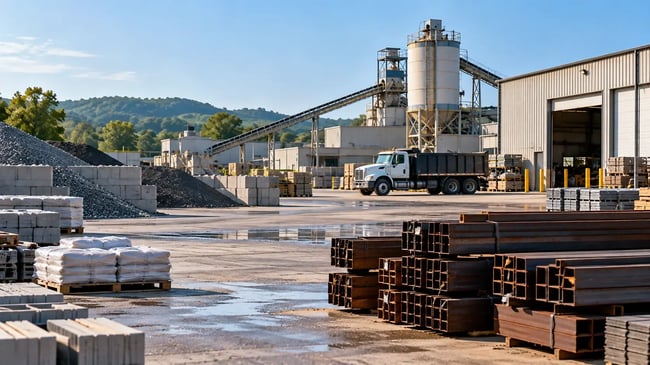
Pennsylvania Businesses Surprised to Be on the Industrial Stormwater List
Pennsylvania has a lot of small and mid-sized manufacturers that don't think of themselves as industrial. Many of them are on the list.
Food and beverage makers top the surprises. Breweries, wineries, distilleries, bakeries, dairies, and the snack food plants clustered in York and Adams counties all fall under SIC group 20. Because food is in the lighter tier, a brewery with everything indoors may only need a No Exposure Certification. But spent grain bins outside, a dumpster without a lid, or kegs and pallets stored in the lot can tip it into PAG-03. The same goes for commercial printers in group 27, sign shops in 39, and the many machine and job shops across the state in group 35.
Wood shops are another big one, and the code details matter. Kitchen cabinet makers (SIC 2434) sit in the lighter, exposure-based tier. Millwork shops, pallet manufacturers, and sawmills fall in SIC groups 242 through 249, which are in the heavier tier and covered across the board. Lancaster County and much of central Pennsylvania are full of pallet and millwork operations that store lumber outdoors and have never heard of PAG-03.
Ready-mix concrete and precast plants (group 32) and hot-mix asphalt plants (group 29) are covered too. Most producers know that, but new owners and smaller operators coming from other businesses are often caught off guard. Scrap yards, auto salvage yards, and metal recyclers are covered regardless of size. On the transportation side, trucking terminals, school bus and transit garages, and marinas are often surprised to learn that their maintenance and fueling areas fall under the program, even though the rest of the property doesn't.
Pennsylvania Businesses Surprised Not to Be on the Industrial Stormwater List
The opposite surprise is just as common. Plenty of businesses that look industrial, handle oil and metal, or have busy yards aren't on the list at all. For them the answer is usually that they don't need PAG-03 or a No Exposure Certification.
Auto repair shops, body shops, car dealerships, quick-lubes, and car washes are service and retail businesses, not industrial categories. Retail lumberyards and home centers aren't listed, even though they may store more wood outdoors than a pallet plant. Steel service centers are another classic case. They handle huge amounts of metal, but many are classified as wholesale distributors, which generally isn't a covered category. Fuel oil and propane dealers selling to homes are retail, though a facility whose primary code is petroleum bulk stations (5171) falls in the transportation tier for its truck maintenance and fueling areas.
Contractors are the biggest group. A general contractor's or excavator's equipment yard, a landscaper's shop, or an HVAC company's warehouse usually isn't on the list. Construction sites are a different matter. Earth disturbance on a job site falls under Pennsylvania's construction stormwater program, including PAG-02 coverage and Chapter 102 erosion and sediment control requirements through DEP and county conservation districts. We don't prepare those construction-phase permits or plans, and contractors usually work with their engineer or an erosion control specialist on them. What we help with is the facility's operational permits once it's built and running.
| Business Type |
Typical SIC |
Typically on the List? |
| Sawmill, pallet maker, millwork shop |
2421, 2448, 2431 |
Yes, across the board |
| Ready-mix concrete or precast plant |
3273, 3272 |
Yes, across the board |
| Hot-mix asphalt plant |
2951 |
Yes, across the board |
| Scrap yard or auto salvage yard |
5093, 5015 |
Yes, across the board |
| Brewery, winery, bakery, snack food plant |
2082, 2084, 2051, 2096 |
Yes, if anything is exposed |
| Kitchen cabinet maker |
2434 |
Yes, if anything is exposed |
| Machine shop, sign shop, commercial printer |
3599, 3993, 2752 |
Yes, if anything is exposed |
| Public warehouse |
4225 |
Yes, if anything is exposed |
| Trucking terminal, bus garage, marina |
4213, 4151, 4493 |
Only maintenance, cleaning, and fueling areas |
| Auto repair or body shop |
7538, 7532 |
No |
| Car dealership or car wash |
5511, 7542 |
No |
| Retail lumberyard or home center |
5211 |
No |
| Steel service center |
5051 |
Usually no |
| Contractor's yard or landscaper |
1500s to 1700s, 0782 |
No (job sites fall under construction stormwater) |
| Retail store, office, restaurant |
Various |
No |
Treat the table as a starting point. The right answer depends on your actual primary SIC code, which depends on where your revenue comes from. And not being on the list isn't a free pass. DEP can require a permit from any facility it finds discharging pollutants to waters of the Commonwealth, and its FAQ notes that a facility pulled in that way can't use a No Exposure Certification. Cities, townships, and sewer authorities can also have their own stormwater rules, so it's worth confirming what applies locally.
After the SIC Code Test: PAG-03 or a No Exposure Certification?
If your primary code is on the list, the next question is whether any of your industrial materials or activities are exposed to rain, snow, or runoff. That decides which of the NPDES permit paths you take. If something is exposed, like materials stored outside, equipment used or cleaned outdoors, or loading in the open, you generally need PAG-03 coverage. That means a Preparedness, Prevention and Contingency (PPC) Plan, which is Pennsylvania's version of a stormwater pollution prevention plan, plus routine inspections, stormwater sampling, eDMR reporting, and annual reports.
If everything industrial is indoors or properly sheltered, you can apply for a No Exposure Certification instead. DEP has to approve it, it covers the whole site or nothing, and it's renewed every five years. This is why an indoor-only facility in a covered category usually files a No Exposure Certification rather than nothing at all. Being on the list means you have to deal with DEP one way or the other.
Two more details can change the answer. Facilities that discharge to High Quality or Exceptional Value waters under 25 Pa. Code Chapter 93 can't use PAG-03 or No Exposure and need an individual NPDES permit. And where your runoff goes matters. DEP's FAQ says stormwater from a listed site that flows into a combined or sanitary sewer owned by a municipal treatment plant doesn't need stormwater permit coverage, though the sewer authority's pretreatment rules still apply and it should be notified. Parts of older cities like Philadelphia and Pittsburgh have combined sewers, but many properties there drain to separate storm sewers, so check your own site's drainage before assuming either way. Runoff to a municipal or private storm sewer still needs coverage or a No Exposure Certification.
If PAG-03 is your answer, our articles on what PAG-03 costs and how long PAG-03 coverage takes are good next reads. If you're weighing whether to handle it in-house, see whether you can get a PAG-03 permit yourself.
How RMA Helps Pennsylvania Facilities Sort Out SIC Codes and Stormwater
We're a family-run environmental consulting firm based in New Jersey, and we work with facilities across Pennsylvania on industrial stormwater. A lot of our first conversations start right here, with someone who isn't sure whether their business counts as industrial. We'll look at what your facility does and where its revenue comes from, confirm the right primary SIC code, check where your runoff goes, and give you a straight answer on whether you need PAG-03, a No Exposure Certification, an individual permit, or nothing from DEP at all. If you do need coverage, we can help with the PPC Plan, Notice of Intent, sampling, eDMR reporting, and the ongoing compliance work. If you don't, we'll tell you.
There's no pressure and no obligation. You can call us at 888-RMA-0230, send us an email, or fill out the form on our website, and we'll talk through your situation. If you're still wondering whether DEP sees your business as industrial, contact RMA and we'll help you find out.


