Your Phase-by-Phase New Jersey Permit Checklist, From Construction Through Your First Year of Operation
Opening a plant in New Jersey means dealing with more than one permit, more than one agency, and a handful of deadlines that don't line up with each other. Some approvals have to be in hand before you break ground, others before you turn the equipment on, and a few only start once you're running. Most owners and project managers learn this one piece at a time, usually from an engineer, a contractor, or a surprised inspector.
This checklist walks through the New Jersey Department of Environmental Protection (NJDEP) requirements in the order you'll meet them: during construction, before startup, and in the first year of operation. Stormwater gets its own section on choosing the right permit, because New Jersey doesn't have one industrial stormwater permit. It has several. We're also going to be plain about which pieces RMA handles and which ones belong to your engineer or contractor, and if you'd like a second set of eyes on your plan at any point, you can reach out to RMA.
Table of Contents
TL;DR
A new plant in New Jersey usually needs approvals in three stages. During construction, that means the construction stormwater permit, soil erosion certification, and stormwater design rules for larger projects. Before startup, most plants need an industrial stormwater permit or a no exposure exclusion, air permits for significant equipment, any sewer approvals for wastewater, and an SPCC plan if they store enough oil. In the first year, you build out your stormwater plan, inspections, training, and annual reporting like the Community Right to Know survey. Which of these apply depends on your industry code, your equipment, and where your water goes.
What Does Opening a Plant in New Jersey Require From NJDEP?
There's no single "plant permit" in New Jersey. NJDEP regulates by program, so water, air, oil storage, chemical reporting, and waste each have their own rules, forms, and timelines. A plant that makes concrete products, a food processor, and a recycling facility will all hit different combinations, and the combination depends on your industry code, the equipment you're installing, what you store, and where your water goes once it leaves a pipe or a parking lot.
One term comes up constantly, so it's worth defining now. NJPDES is the New Jersey Pollutant Discharge Elimination System, the state's program for permitting anything discharged to water. That includes the rain that runs off your yard and loading areas, which surprises a lot of first-time plant owners. Rain that touches industrial activity and then leaves your site is regulated, and that's where most of the stormwater discussion below comes from.
Local approvals sit on top of all this. Zoning, site plan review, fire code, and your certificate of occupancy are run by the municipality, and they're outside the scope of this checklist. If you're buying or leasing an existing industrial building rather than building new, you'll also want to look at the property's history before you sign. A Phase I Environmental Site Assessment is the standard first step, and in New Jersey certain industrial transactions can also trigger the Industrial Site Recovery Act (ISRA), which is worth raising with your attorney early. The table below shows the whole sequence at a glance.
| Phase |
Requirement |
Who usually handles it |
| During construction |
Construction stormwater permit (5G3) |
Your engineer or contractor |
| During construction |
Soil erosion and sediment control certification |
Your engineer and the local Soil Conservation District |
| During construction |
Stormwater management design for major development (N.J.A.C. 7:8) |
Your engineer and the municipality |
| Before startup |
NJPDES industrial stormwater permit or no exposure exclusion |
RMA can help |
| Before startup |
Air permits for significant equipment |
Your engineer or air permitting specialist, with RMA helping you scope what applies |
| Before startup |
Sewer authority approvals for wastewater |
You, your engineer, and the sewerage authority |
| Before startup |
SPCC plan for oil storage |
RMA can help |
| First year |
Stormwater plan, inspections, training, annual certification |
RMA can help |
| First year |
Community Right to Know survey and Tier II reporting |
RMA can help |
Which Construction-Phase Permits Apply When Building a New Jersey Plant?
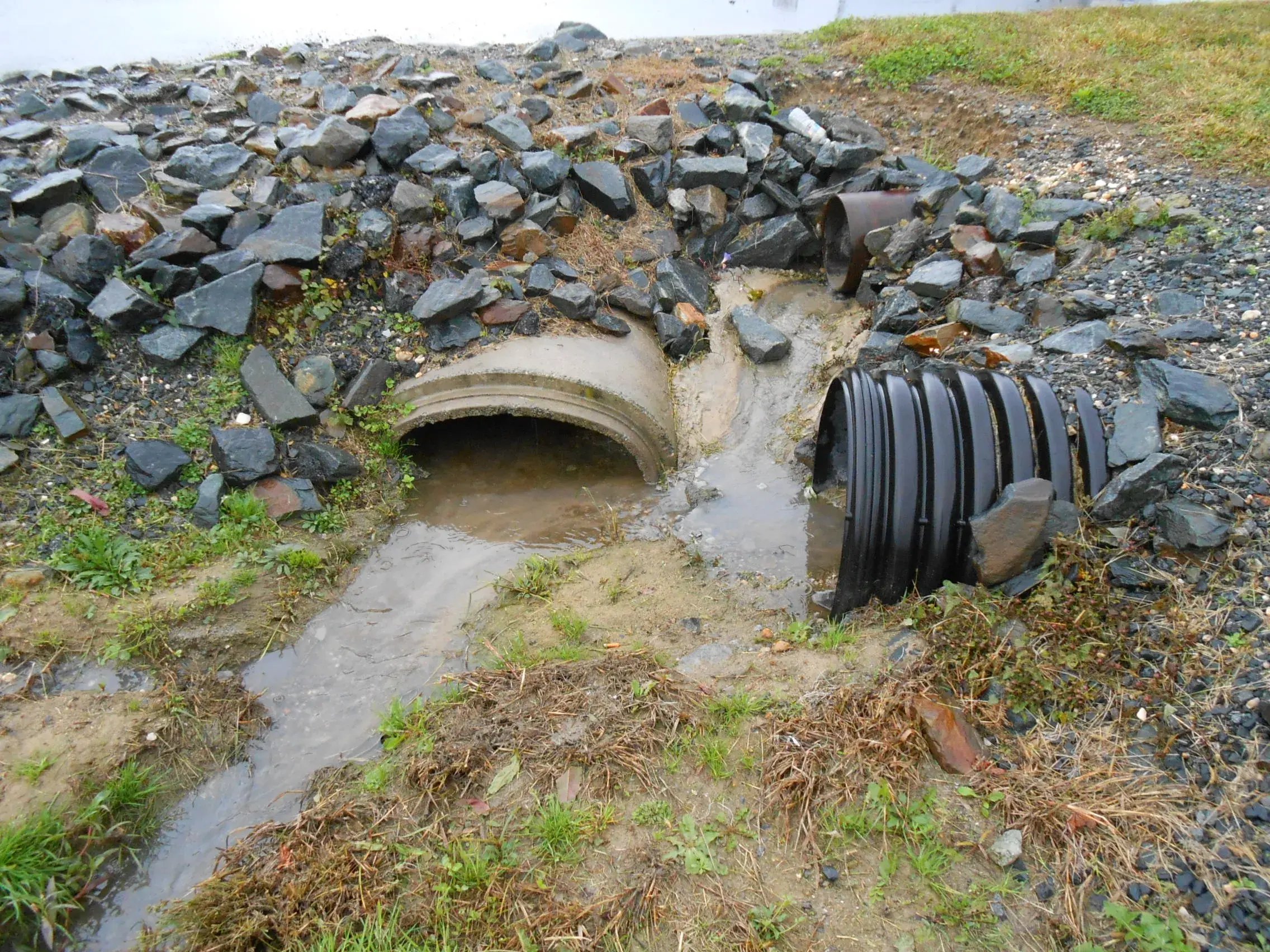
Building the plant triggers its own set of stormwater requirements, separate from the ones that apply once you're operating. The first is the 5G3 Construction Activity Stormwater General Permit, which NJDEP requires when clearing, grading, and excavating disturb one acre or more of land, including smaller projects that are part of a larger plan of development. Alongside it sits soil erosion and sediment control certification, run through the local Soil Conservation District. Generally, disturbing more than 5,000 square feet of soil puts you in front of the district, and for larger sites the 5G3 and the district certification work together rather than replacing each other.
The third piece is New Jersey's Stormwater Management rules at N.J.A.C. 7:8. They apply to what the rules call major development, which means a project that ultimately disturbs one or more acres, or creates one-quarter acre or more of regulated impervious surface or regulated motor vehicle surface. If your plant crosses those lines, your engineer designs the site to meet standards for runoff quantity, water quality, and groundwater recharge, and the design gets reviewed through the municipal approval process and, where it applies, NJDEP land use permits.
We want to be direct here: RMA doesn't prepare construction-phase permits or approvals. That includes the 5G3, soil erosion certification, and the stormwater design under N.J.A.C. 7:8, which belong with your engineer, your contractor, or a soil erosion specialist. What we can do is help you work out which of these your project is likely to trigger and point you toward the right construction-phase professionals. Where we come in is everything after the building is up, because completing construction doesn't close out your obligations. The construction permit covers the construction site, and a running plant needs its own operating permits and plans.
Which NJPDES Industrial Stormwater Permit Does a New Jersey Plant Need?
Start with the plain-language version of the question: is rain running off your property after touching industrial activity or industrial materials? If it is, NJDEP generally expects a permit. If your operations and materials are completely indoors or under cover, you may not need one at all. New Jersey sorts facilities into four paths, and picking the wrong one is one of the more common ways plants end up out of compliance without knowing it.
| Path |
Who it generally fits |
| Basic Industrial Stormwater General Permit (5G2) |
Regulated industrial facilities that don't fall under an industry-specific permit |
| Industry-specific general permits |
Concrete Products Manufacturing (CPM), Hot Mix Asphalt (R4), Mining and Quarrying (R13), Sand and Gravel (RSG), Scrap Metal (SM and SM2), Vehicle Recycling (RVR), and Wood Waste Recycling and Leaf Composting (WRC) |
| Individual NJPDES permit |
Facilities that don't qualify for a general permit, or that NJDEP decides need site-specific limits |
| No exposure exclusion |
Facilities that keep all industrial activity and materials sheltered from rain and snowmelt |
Most new plants land on the 5G2 or one of the industry-specific permits. The 5G2 is the basic industrial stormwater permit in New Jersey, while a concrete plant, an asphalt plant, or a scrap yard has a permit written specifically for it, and those permits differ from the 5G2 and from each other. When a facility doesn't fit any general permit cleanly, the question becomes whether you need an individual NJPDES industrial permit. Our broader guide to general, individual, and no exposure permits covers how those categories compare.
Coverage turns on your industry code, how much of your activity is exposed to weather, the permit category you fit, and where your stormwater goes. Plenty of facilities probably don't need a permit, including many warehouses, data centers, body shops, dealerships, and quick-lube shops, though we'd never say so without looking at the site. If you think you qualify for the exclusion, our explanation of what no exposure means is a good starting point, and you'll want to confirm the current process with NJDEP. Building a new facility is also the cheapest time to design for no exposure, since adding a roof or moving a material pile on paper costs far less than doing it after the pavement is poured.
If you do need coverage, you apply by submitting a Request for Authorization (RFA) through NJDEP Online, the state's electronic permitting portal, before the plant begins discharging. Fees, sampling requirements, and exact permit scope vary by permit category, and some permits require no sampling at all, so confirm those details in the current permit document for your category. For timing, we've written about how long a New Jersey stormwater permit takes, and the answer matters if your startup date is fixed.
Does a New Jersey Plant Need Air Permits Before Startup?
Often, yes, and this is the item that catches new plants off guard because air permits are tied to equipment rather than to the facility as a whole. Under N.J.A.C. 7:27-8, NJDEP requires a preconstruction permit or a general permit for certain significant sources before they're installed. Equipment like boilers, emergency generators, spray booths, and dust collectors is commonly on the list, though whether a specific unit needs a permit depends on its size, what it burns or processes, and what it emits.
Timing drives everything with air permits. A preconstruction permit is just what it sounds like: you apply and receive approval before the equipment goes in, so the air permit needs to be on the schedule when you're still choosing equipment and signing purchase orders. Applications require emission calculations and manufacturer data, and some facilities need additional review, which can add weeks or months. Larger facilities that cross the major source thresholds face a heavier operating permit program on top of that.
Data centers are a good example of why this isn't optional reading. They often come to us assuming they have no air or stormwater exposure, and the stormwater side frequently works out that way, but a bank of backup generators can still need air permits. We'd suggest having an air permitting specialist or your design engineer review your equipment list early. If you're not sure what applies, we can help you scope the question so you know which professional to bring in.
Do You Need Sewer Authority Approvals for Plant Wastewater and Stormwater?
If your plant generates process wastewater, meaning water that's been used in manufacturing, washing, cooling, or cleaning, it usually can't just go to the storm drain. Plants that connect to a public sewer typically need approval from the local sewerage authority, which can set its own limits, require pretreatment, and ask for periodic reporting. In some cases other NJDEP approvals come into play, particularly if wastewater would be discharged to surface water or groundwater instead of a sewer.
Sewerage authorities matter for stormwater too. Several older New Jersey cities have combined sewers, where stormwater and wastewater share the same system, and in those areas the authority's rules may apply instead of, or alongside, an NJPDES stormwater permit. We can't tell you flatly whether a site in a particular town needs a state stormwater permit, because it depends on where the site drains. Confirm that with the authority and NJDEP before you assume either way.
Separating stormwater from process water on paper and in the field is its own project. Our guide to the difference between stormwater and process water is useful reading for your engineer and your operations team, since the two are permitted differently and mixing them can turn a simple situation into a complicated one.
Does a New Plant Need an SPCC Plan Before Oil Storage Begins?
A Spill Prevention, Control, and Countermeasure (SPCC) plan is a federal requirement under 40 CFR Part 112, enforced by EPA rather than NJDEP. It applies to facilities that store oil above certain amounts, generally more than 1,320 gallons total in aboveground containers of 55 gallons or more, with a separate threshold for buried storage. Oil covers a wide range of products, and diesel for generators, hydraulic oil, lubricants, transformer oil, and fuel for yard equipment all add to the total.
For a new facility, the plan needs to be prepared before operations begin, and larger or more complex sites need it certified by a Professional Engineer. That timing is easy to miss during a build because the oil storage is often one of the last things installed. Underground tanks have their own counting rules and their own state requirements, so they should be sorted out with the SPCC question rather than on a separate track.
One distinction trips up many plant managers: the SPCC plan and the stormwater plan are different documents that serve different purposes. Our comparison of the SPCC plan and the SWPPP explains how they overlap and where they don't. Published ranges for our SPCC work run from $2,500 to $15,000 depending on the size and complexity of the site and whether a PE certification is needed.
What Environmental Compliance Tasks Come in the First Year of Operation?
Once the plant is running, the work shifts from getting permits to keeping them. The center of it for most facilities is the stormwater pollution prevention plan, which RMA calls a SWPPP (pronounced "swip"). You'll also hear it called an SPPP, an SP3, or just a stormwater plan, and New Jersey's permit documents use SPPP. It's the written plan for how your site keeps rain from picking up pollutants, and it's the document an inspector asks for first. Our guide to what a SWPPP is walks through what goes in one.
Around the plan, expect a recurring cycle. Under the 5G2, that includes inspections, an annual certification that the plan has been updated, and training for the staff who carry it out, and other permit categories have their own versions of these tasks plus sampling where the permit requires it. A written plan that sits on a shelf doesn't hold up well, so it's worth getting your team trained early, and our online environmental training library can cover part of that. For the day-to-day habits, our guide to getting and staying in stormwater permit compliance covers the habits that keep plants out of trouble.
Chemical reporting is the other first-year item. New Jersey's Worker and Community Right to Know program (N.J.A.C. 7:1G) requires facilities in covered industry codes to submit an annual Community Right to Know survey, due March 1 each year and filed through NJDEP Online. Separately, the federal Emergency Planning and Community Right-to-Know Act requires Tier II reports for facilities storing hazardous chemicals above set thresholds, also due March 1. A brand-new facility can easily miss its first filing because nobody has the date on a calendar, so put March 1 on yours before you open. Hazardous waste is the last piece: work out your generator status early, and register if your waste volumes call for it.
What Drives the Cost of Getting a New Jersey Plant's Operating Permits in Place?
For the operating-phase work, cost depends on a short list of factors: which stormwater permit category you fall under, whether that permit requires sampling, the size and complexity of the site, and whether a stormwater plan already exists or has to be written from scratch. A small facility with one outfall and a simple layout is a very different job from a multi-acre plant with several drainage areas. Agency fees are separate from consulting fees, and they're set by NJDEP, so check the current schedule for your permit category.
For the other items on this checklist, our published ranges are $2,500 to $15,000 for an SPCC plan and $1,500 to $7,500 for Tier II reporting. We'd rather give you a real range up front than make you wait for a call, and you can use the pricing calculator below to see what RMA's help would look like for your situation.
How Does RMA Help With New Jersey Plant Permitting?
RMA is a family-run firm based in New Jersey, so NJDEP's permit categories and online systems are familiar ground for us. Once your construction team has the building side covered, we help with the operational permits and plans: figuring out whether you need the 5G2, an industry-specific permit, or a no exposure exclusion, then getting the request submitted and the stormwater plan built. We also handle SPCC plans, Community Right to Know and Tier II reporting, and training, with senior staff doing the actual work rather than handing it off.
We'll also tell you when you don't need us. If a simple self-service route fits your facility, we'll say so, and if the right answer is an engineer or an air permitting specialist, we'll point you there. There's no pressure and no obligation. You can call us, email us, or fill out the form on our website, and we'll look at your project and tell you honestly what we see. To get started, just contact the RMA team.