How Hot Mix Asphalt Plants Stay on Top of R4 Stormwater Monitoring, Reporting, and Seasonal Deadlines
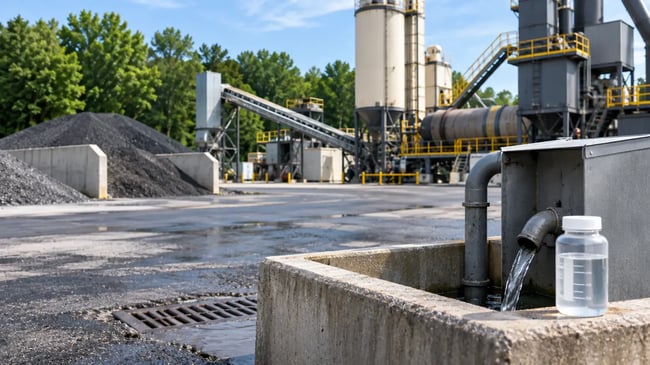
If you run a hot mix asphalt plant in New Jersey, the rain and snowmelt that touches your aggregate piles, liquid asphalt tanks, loadout area, and trucks is regulated by NJDEP as an industrial discharge. The permit written for plants like yours is the Hot Mix Asphalt Producers general permit, known as the R4, issued under NJPDES, the New Jersey Pollutant Discharge Elimination System. A general permit is one permit NJDEP wrote for a whole industry, and your plant gets coverage by applying for authorization under it. Once you have that authorization, the next question is what you owe NJDEP each year and when it's due.
The short answer is that your R4 authorization expects a written stormwater plan, documented inspections, an annual certification, and monitoring and reports on whatever schedule the permit sets for your site. That last piece lives in the permit text itself, so we'll show you where to find your numbers instead of quoting figures that can change when NJDEP renews the permit. We'll also cover how seasonal operation affects your obligations and how to build a calendar that keeps your team on schedule. If you'd rather talk it through with a person, you can reach out to RMA at any point.
Table of Contents
TL;DR
A New Jersey hot mix asphalt plant under the R4 permit is expected to keep a written stormwater plan, inspect the site and document it, certify the plan once a year, and run whatever stormwater monitoring and reporting its own authorization calls for. Frequencies, parameters, and limits are set in your permit and can change when NJDEP renews it, so read your current documents instead of relying on a general article. Don't assume a seasonal shutdown pauses your obligations. Build a calendar that covers the off months and the spring restart, and give every task a named owner.
What Does the R4 Permit Cover for New Jersey Asphalt Plants?
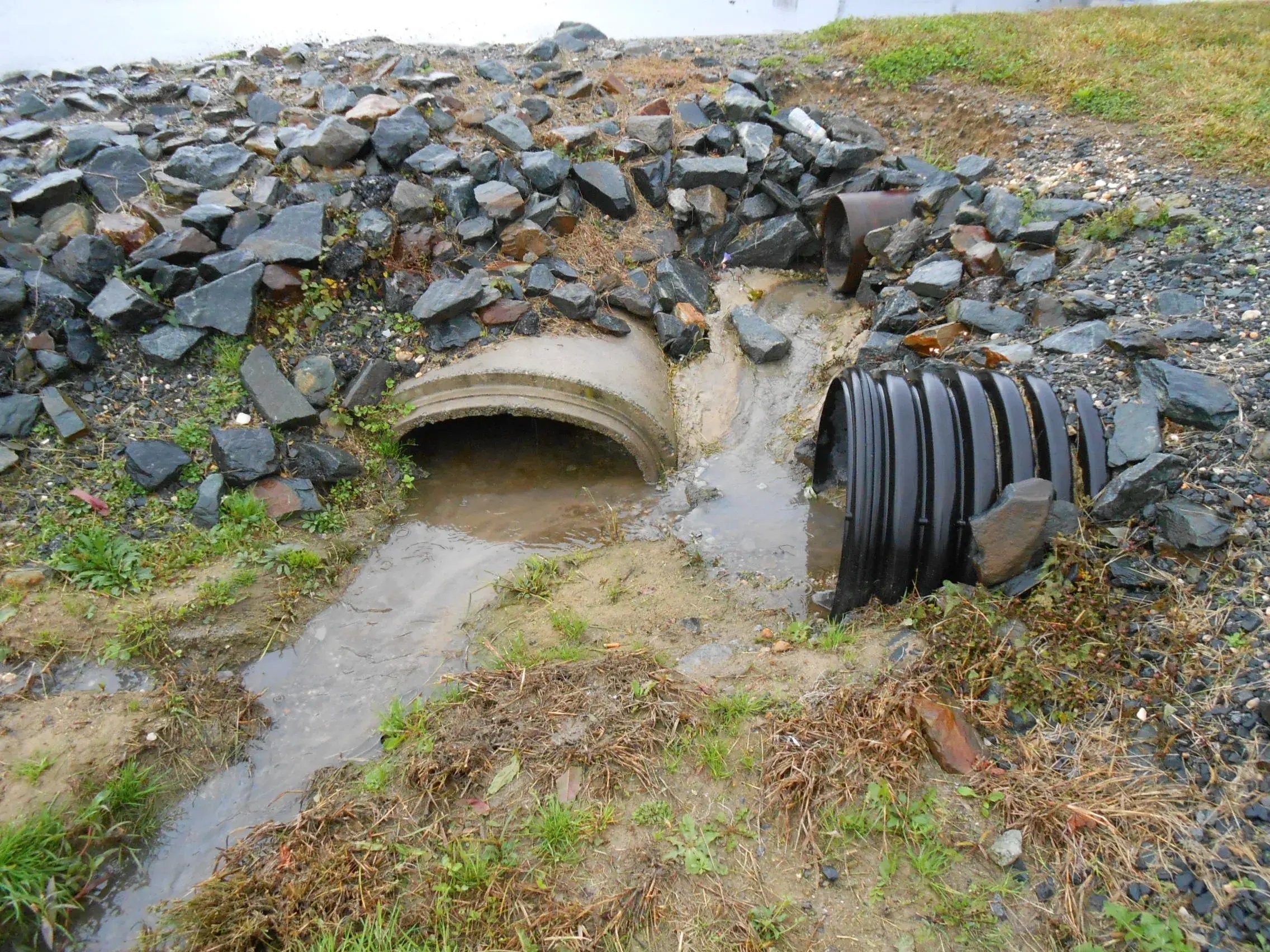
The R4 is written for facilities that manufacture hot mix asphalt, which NJDEP identifies by SIC code 2951 and NAICS code 324121. Those are federal industry classification numbers, and they're worth knowing because they're how NJDEP decides which permit category a facility belongs in. The R4 covers stormwater discharges to surface water and to ground water. That second part matters for monitoring, because plenty of plants send runoff to basins, infiltration areas, or open ground instead of a stream, and the permit has to account for where the water ends up.
Stormwater here means rain or snowmelt that picks up something at your site on its way out. It isn't the same as process water, like wash water or anything else that's part of making or cleaning up after the product, and the two are treated differently. Our article on the difference between stormwater and process water covers it in plain terms. The R4 is also written for plants that make the mix, which isn't the same thing as a paving contractor's equipment yard, so confirm the category fits before you worry about the rest.
What Monitoring Does the R4 Hot Mix Asphalt Permit Require?
Monitoring under an NJPDES stormwater permit isn't one task. It's a handful of related ones, and the R4 spreads them across the plan, the inspection routine, and any sampling the permit calls for. The permit requires a stormwater pollution prevention plan, which NJDEP's forms call an SPPP and which you'll also hear called an SP3 or just the stormwater plan. We'll use SWPPP, the term most of the industry uses, and our guide on what a SWPPP is goes deeper. The plan describes your site, where water flows, what could pollute it, and the best management practices (BMPs) you use to keep pollution out.
| Monitoring piece |
What it generally involves |
Where your exact requirement lives |
| Site inspections |
Documented walk-throughs of the areas where stormwater touches plant materials, checking that BMPs are in place and working |
Inspection conditions in your R4 permit and your SWPPP |
| Stormwater sampling |
Collecting samples and having them analyzed for the parameters the permit lists, at the frequency it sets, if your permit calls for sampling |
The monitoring section of the permit and your authorization |
| Drainage and ground water |
Showing where runoff goes, including any discharge to ground water, and keeping that picture current |
The permit's drainage conditions and your SWPPP site map |
| Records |
Keeping inspection logs, lab results, and rainfall or storm information where you can produce them |
Recordkeeping conditions in the permit |
We're deliberately not listing sampling parameters, frequencies, or limits here. Those are set in the permit document, NJDEP can change them at renewal, and a number copied from an old article is exactly how a plant ends up sampling to the wrong schedule. Sampling is also the biggest variable between New Jersey permits, since some call for it and some don't. Where yours does, we explain why your own staff should collect the samples in why you should take your own stormwater samples, and our guide to benchmark values versus effluent limits helps you read the results against whatever thresholds your permit uses.
What Reporting Does an R4 Asphalt Plant Owe NJDEP?
Reporting is where deadlines come from, so it's worth separating the pieces. The first is the annual inspection and certification. Once a year, someone qualified inspects the site against the SWPPP, and then a responsible person signs NJDEP's certification form stating the plan is prepared and being implemented. The inspection has to come first, because the certification rests on it. NJDEP lists a generic certification form on its R4 permit page, so use the version NJDEP currently publishes instead of a copy from a prior year.
The second piece is monitoring reports. If your permit requires sampling, results go to NJDEP on Discharge Monitoring Reports, or DMRs, at the intervals the permit sets. Our article on what DMRs are explains the form. If no qualifying discharge happened in a period, there's a specific way to report that, covered in reporting no discharge on your DMRs. Skipping a report because nothing happened is a common way to end up with a missing-report violation, so the blank still has to be filed as a report.
The third piece is administrative. NJDEP bills an annual permit fee, and the invoice goes to whoever NJDEP has on file, which is often someone who left the company years ago. NJDEP also has forms for changing contact information and transferring a permit when a plant changes hands. None of that is glamorous, but a missed invoice or a stale contact can hurt as much as a missed sample.
How Does Seasonal Operation Affect R4 Monitoring and Reporting?
Many New Jersey asphalt plants run on a season, ramping up in spring and winding down in late fall or early winter. That makes it tempting to treat the winter months as a pause on stormwater compliance. We'd treat that assumption with caution. Your stockpiles, tanks, and equipment are still sitting outside in the rain and snow, and several obligations are tied to the calendar instead of to production, like the annual certification, the annual fee, and any reporting periods your permit defines. Check your permit, or ask NJDEP directly, before concluding that a shutdown changes any of those. We haven't seen a general rule we'd trust you to rely on.
Where your permit requires sampling, a few seasonal wrinkles come up. Sampling is tied to storm events and discharges, so a plant that's shut down may have little to sample, and that's where reporting no discharge comes in. Winter brings snowmelt, which doesn't behave like rain, and our article on snowmelt and stormwater samples walks through how to handle it. Spring restart is the other pressure point, because that's when stockpiles get moved, tanks get filled, and the first storms arrive before anyone has checked the BMPs.
A simple spring restart routine goes a long way. Walk the site before the first batch, and look at your drainage paths, stockpile areas, tank containment, loadout, and any basins. Fix what winter damaged, update the SWPPP if you've added or moved anything, confirm your trained staff are still on the payroll, and, if your permit requires sampling, line up your lab and sample bottles before you need them. Our guide to doing a stormwater visual inspection the right way is a good checklist for that first walk.
Where Do You Find Your Own R4 Monitoring and Reporting Requirements?
Start with your authorization, the document NJDEP issued for your facility. It lists your NJPDES number, which for general permit authorizations usually starts with NJG, along with your permit category and effective date. That's different from the master R4 permit PDF on NJDEP's website, which shows the permit number for the category and says nothing about whether your plant is covered. Landlords and lenders ask for the first, and sending them the second is a common mix-up.
Next, open NJDEP's R4 permit page. It's organized by document, and as of this writing it includes the permit, a fact sheet, a permit information summary sheet, a generic certification form, Attachment B on the contents of the SPPP, and the application forms and checklists. The permit holds the conditions you have to meet. The fact sheet explains NJDEP's reasoning, which helps when a condition reads oddly. The summary sheet is the quickest overview. Attachment B tells you what your SWPPP has to contain, so check your plan against it. NJDEP revises these documents, so confirm you're reading the current versions.
If your plant doesn't fit the R4, or NJDEP has moved you to a different permit, the monitoring picture changes. Our NJPDES permit requirements guide and our article on individual NJPDES permits cover when that happens.
How Do You Build an R4 Monitoring and Reporting Calendar?
The plants that stay on schedule aren't smarter than the ones that don't. They have a written calendar with a name next to each task, and they review it at the same time every year. Build yours from your own permit, then adjust it as NJDEP changes things. The structure below works for most R4 plants, with the actual dates and frequencies coming from your documents.
| When |
Task |
Who should own it |
| Before each season starts |
Walk the site, repair BMPs, update the SWPPP for any changes, confirm training, and line up your lab if sampling applies |
Plant manager or environmental lead |
| Every inspection interval your permit sets |
Complete and file the documented inspection |
Trained site staff |
| Each qualifying storm, if sampling applies |
Collect samples within the permit's rules and get them to the lab |
Trained site staff, with a backup named |
| Each reporting period your permit sets |
Submit DMRs, including no discharge reports where that applies |
Environmental lead or consultant |
| Once a year |
Annual inspection first, then the signed annual certification |
Qualified inspector, then the signing official |
| Once a year |
Confirm the NJDEP fee invoice reaches someone and gets paid |
Accounting, with a copy to the environmental lead |
| Whenever something changes |
Update the SWPPP and NJDEP contact information, and handle any ownership transfer |
Plant manager |
Training belongs on that calendar too. People who inspect and sample need to know how, and turnover quietly erodes that knowledge. Our article on whether stormwater training is required explains what to expect, and our online environmental training library is one place to start for staff.
What Do Asphalt Plants Get Wrong With R4 Monitoring and Reporting?
Most problems we see aren't dramatic. They're things that slipped. A SWPPP written years ago that no longer matches the site, because a tank was added, a stockpile moved, or a new loadout went in. An annual certification signed without the inspection behind it. A DMR that wasn't filed because there was nothing to report. A lab that wasn't told which parameters the permit requires, so a result came back incomplete. And a sampling person who left, taking the knowledge with them.
Asphalt plants also have a few site features that deserve extra attention in the plan. Liquid asphalt tanks and hot oil heaters mean petroleum on site, which brings in spill reporting questions, and our guide to the sheen rule is worth a read. Depending on how much oil you store, you may also need a separate SPCC plan, and we explain how it differs from your stormwater plan in SPCC plans versus SWPPPs. If a result comes back high, don't ignore it or hope the next one looks better. Our article on what to do when your stormwater results are high lays out the next steps.
What Drives the Cost of R4 Monitoring and Reporting Support?
Many asphalt plants handle some of this in house and bring in help for the parts that are hard to staff. What that costs depends on a few things. The first is whether you already have a current SWPPP or need one written or updated. The second is how many drainage areas and outfalls your site has, and where the water goes. The third is whether your permit requires sampling, and the fourth is how hands-on you want us to be, from a one-time review to year-round support. Training your staff also factors in.
We're a small firm that puts senior people on the work, so we aren't always the cheapest consultant you'll find, and we don't try to be. Compared with an environmental engineering firm we're usually a little cheaper, because engineering is its own expensive specialty. If you want a ballpark for your own situation, the pricing calculator below is built for exactly that, and it frames what our help would cost, not what NJDEP charges for the permit.
How Does RMA Help New Jersey Asphalt Plants Stay on Schedule?
We're based in New Jersey and work with NJDEP's permit categories regularly, including the R4. We can review your authorization and permit documents, check your SWPPP against NJDEP's current requirements, and build the calendar described above around your plant. We train your people to inspect and sample correctly, since storm events don't wait on a consultant's schedule and your own staff know the site best. After you're permitted, we offer annual support if you want it, from reminders and result reviews to inspection prep and SWPPP updates. It can be hands-off or hands-on, depending on what your team needs.
We're not the right fit for everything. We don't do engineering or treatment system construction, a very large portfolio of sites might not suit our team, and if you're shopping on the lowest price or the fastest turnaround, we're probably not your match. We'll tell you that up front. If you've already received a notice of violation from NJDEP, an environmental attorney may be appropriate alongside any permit help.
If you'd like to talk it through, call us at 888-RMA-0230, email info@rmagreen.com, or fill out the form on our website. You can also contact RMA directly. No pressure and no obligation.