A Plain-English Guide to the R4 General Permit's Stormwater Rules for Asphalt Plants, and How It Differs From the 5G2
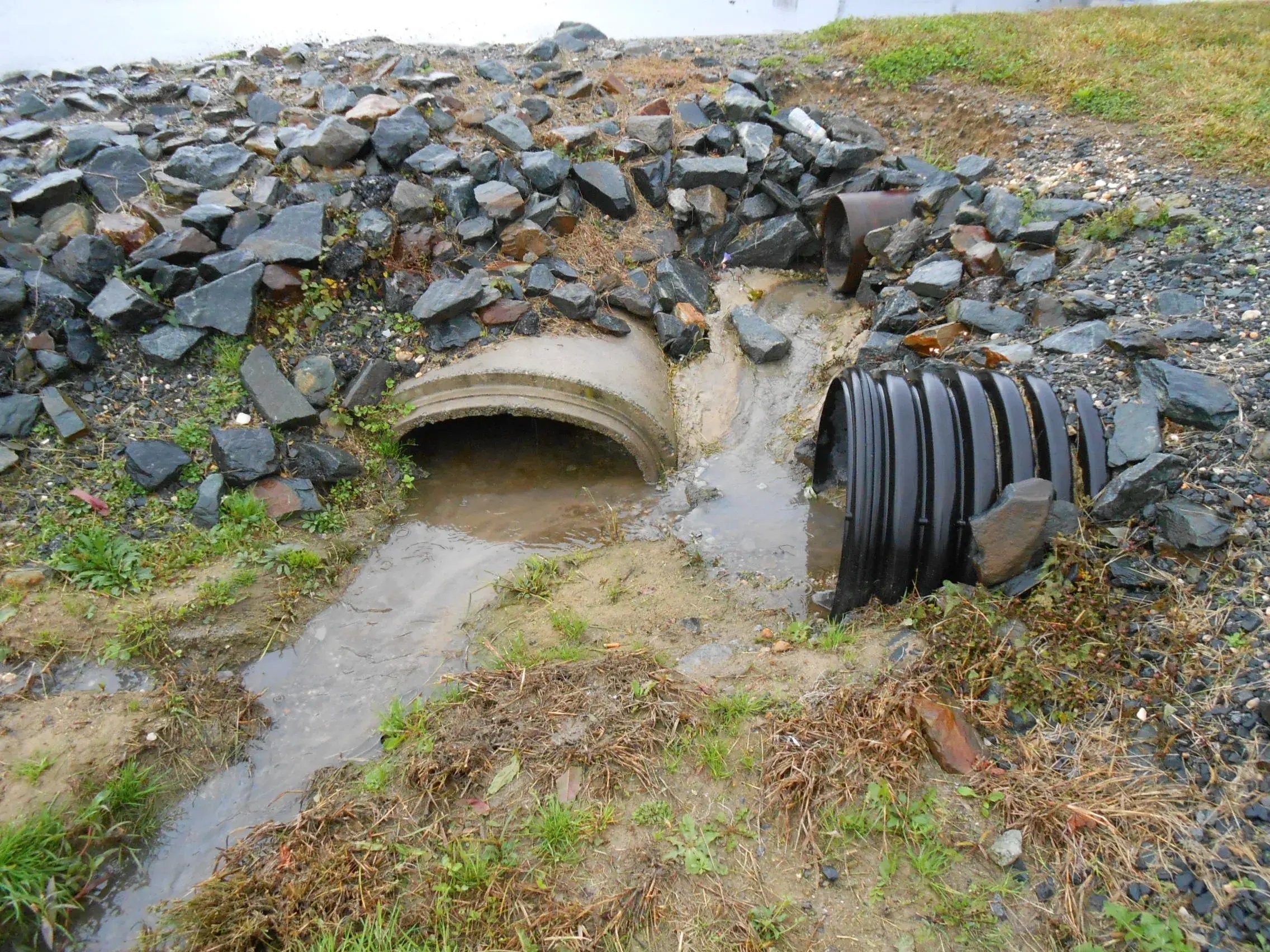
If you run a hot mix asphalt plant in New Jersey, rain lands on your aggregate piles, your recycled asphalt stockpiles, your loadout area, and your trucks, and the New Jersey Department of Environmental Protection (NJDEP) treats that runoff as an industrial discharge that needs permission. That permission comes through NJPDES, the New Jersey Pollutant Discharge Elimination System, which is the state's version of the federal NPDES program. For asphalt manufacturers, NJDEP wrote a permit just for the industry. It's called the Hot Mix Asphalt Producers general permit, and most people just call it the R4. The short version is that the R4 covers facilities that manufacture hot mix asphalt, authorizes their stormwater discharges, and is built around a written stormwater plan. It differs from the basic 5G2 permit because it was written for asphalt production specifically, while the 5G2 was written for facilities that keep their materials out of the rain.
In this article we'll walk through which asphalt facilities the R4 covers, what it generally requires, where sampling fits in, and how the R4 compares to the 5G2. We'll also cover what to do if your site doesn't fit neatly. The exact conditions live in the permit itself, so where we can't give you a reliable specific, we'll point you to where to read it. And if you'd rather talk it through, you can reach out to RMA and we'll tell you honestly whether you need our help.
Table of Contents
TL;DR
The R4 is NJDEP's industry-specific general stormwater permit for facilities that manufacture hot mix asphalt, and it authorizes their stormwater discharges to surface water and groundwater. It's built around a written stormwater plan with best management practices, plus inspections, training, and annual paperwork that the permit itself spells out. The 5G2 is the basic permit for facilities that can keep their materials out of the rain, while the R4 is written for asphalt production. Whether the R4 requires sampling is set in the permit, so read the monitoring section before you build your routine.
What Is the R4 Hot Mix Asphalt Stormwater Permit in New Jersey?
A general permit is one NJDEP writes once for a whole category of facilities. Instead of getting a permit written for your site alone, you apply for coverage under the general permit by submitting a Request for Authorization, or RFA. NJDEP then issues an authorization with your facility's own NJPDES number, which for general permits starts with NJG, along with an effective date. New Jersey doesn't have one general permit for every industrial site. It has a basic permit, the 5G2, and a handful of industry-specific permits, and the R4 is the one for hot mix asphalt. It authorizes stormwater discharges to both surface water and groundwater, which fits asphalt plants well, since some sites send runoff to a stream or ditch while others let it soak into the ground.
NJDEP publishes the R4 documents on its Hot Mix Asphalt Producers page: the final permit, a fact sheet, a permit information summary sheet, a certification form, the application forms and checklists, and Attachment B, which lists what your stormwater plan has to contain. The fact sheet and summary sheet are NJDEP's own explanation of the permit, and the permit itself is the document that controls. Our broader guide to NJPDES stormwater permit requirements shows how the pieces fit together.
Which Asphalt Facilities Does the R4 Permit Cover?
NJDEP defines the R4 category by activity: facilities engaged in manufacturing hot mix asphalt, identified by SIC code 2951 and NAICS code 324121. Those are federal industry classification numbers, and NJDEP uses them to decide which permit goes with which kind of business. Hot mix asphalt is the paving material made by heating and mixing aggregate, sand, and asphalt binder, so a batch plant or drum mix plant that produces it falls squarely in the category. If you're not sure which codes are tied to your facility, check the NJDEP paperwork you already have on file.
The R4 was written for manufacturing, so a paving contractor's yard that stores equipment and trucks but doesn't make asphalt isn't what the permit is aimed at. Whether that kind of yard needs any stormwater permit depends on what activities happen there, whether materials or equipment are exposed to rain, and where the water goes, so it takes a closer look instead of a quick yes or no.
Asphalt plants often share a property with other operations, like a quarry, a sand and gravel pit, or a ready-mix concrete plant, and each activity can point toward a different permit. Don't assume the R4 covers everything on the property. A site walk and a look at your existing authorizations usually settles it. If you crush and recycle old asphalt, recycling approvals in New Jersey sit apart from stormwater permits, and we handle those too. Where your runoff goes also matters. If your site drains to a sewerage authority instead of to a stream or the ground, the authority's rules may apply instead of, or alongside, an NJPDES stormwater permit, so confirm where each drain leads before you decide anything.
What Does the R4 Permit Generally Require From an Asphalt Plant?
The core of the R4 is a written stormwater pollution prevention plan. New Jersey's permit documents call it an SPPP, and you'll also hear it called an SP3 or just a stormwater plan, but we'll use SWPPP, the term most of the industry uses. NJDEP says both the basic permit and the industry-specific permits require a SWPPP with best management practices, or BMPs, to eliminate or minimize stormwater exposure to source materials. The R4 has its own Attachment B that spells out what the plan must contain, which is why a template written for a different permit is a risky starting point. Our guide to what a SWPPP is covers the basics.
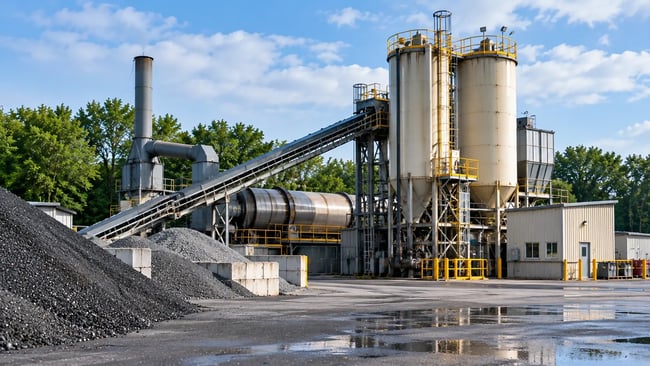
A SWPPP describes your site, maps where water flows, lists the materials and activities that could pollute it, and spells out the BMPs you use. BMPs are practical measures that keep material out of runoff. At an asphalt plant, a plan tends to deal with things like aggregate and recycled asphalt stockpiles, asphalt cement and fuel storage, loadout and truck areas, and day-to-day housekeeping. Those are examples of what plans commonly address, and your permit decides what yours must include. Our article on stormwater BMPs explains the idea in more detail.
Beyond the plan, expect documented inspections, staff training, and annual paperwork to NJDEP. The schedule and the details are set by the permit, so read yours instead of relying on what applies to another permit category. Our article on whether stormwater training is required covers the details, and our online training library is a place to start for your team.
Does the R4 Permit Require Stormwater Sampling?
Sampling is the biggest variable between New Jersey's stormwater permits. The basic 5G2 doesn't require stormwater sampling. Some of the industry-specific permits do and some don't, and the parameters, frequency, and reporting depend on the permit. We aren't going to hand you a number from memory, because a wrong parameter list does more harm than none. The monitoring section of the current R4 permit and NJDEP's R4 fact sheet are where the answer lives, so read both before you build your routine.
If your permit does require sampling, the practical questions are who collects the sample, how fast it has to reach a lab, and what happens when a result comes back high. We explain why your own staff should collect samples in why you should take your own stormwater samples, and we train people to do it correctly instead of showing up with a cooler ourselves. Storm events don't wait on a consultant's calendar.
One more distinction is worth keeping straight. Wash water, slurry, or any other process water leaving your plant isn't stormwater, and a stormwater permit doesn't automatically cover it. Our article on the difference between stormwater and process water walks through it.
How Is the R4 Permit Different From the 5G2?
The 5G2, or Basic Industrial Stormwater General Permit, sounds like New Jersey's default permit for any industrial site, but it isn't. NJDEP built it for regulated facilities that have eliminated, or can eliminate within six months of authorization, all exposure of industrial materials and activities to rain and snowmelt. The R4 starts from a different place. It's written for one industry, hot mix asphalt manufacturing, and it sets that industry's plan contents and routine.
| Question |
5G2 (Basic Industrial) |
R4 (Hot Mix Asphalt Producers) |
| Who it's written for |
Regulated facilities that have eliminated, or can eliminate within six months of authorization, all exposure to rain and snowmelt |
Facilities that manufacture hot mix asphalt (SIC 2951, NAICS 324121) |
| Stormwater plan (SWPPP) |
Required, with NJDEP forms and a guidance document |
Required, with contents listed in the R4's Attachment B |
| Stormwater sampling |
None required |
Set by the R4 permit, so check its monitoring section |
| Routine |
Monthly inspections, an annual comprehensive inspection, annual training, and an annual certification |
Set by the R4 permit |
Most hot mix plants keep aggregate and recycled asphalt in outdoor stockpiles and run trucks across the site, so exposure to rain is part of how they operate. That's the gap the R4 was written to fill. If you make hot mix asphalt, the R4 is generally the permit written for you. Landing on the wrong permit costs real time, since moving from one to another means new applications, a rewritten SWPPP, and sometimes facility changes. Our 5G2 explainer and our guide to which NPDES permit you need cover the other options.
What If Your Asphalt Site Doesn't Fit the R4 Permit?
Some sites fall outside the general permits. NJDEP writes an individual NJPDES permit for facilities that can't eliminate exposure and don't qualify for any general permit, and individual permits often cost more and typically carry more extensive sampling and monitoring requirements. Our guide to individual NJPDES industrial permits explains when that happens. At the other end, facilities that keep all industrial materials and activities indoors or under storm-resistant cover may qualify for a no exposure exclusion instead of an industrial permit. That's rare at an asphalt plant, since the work and the stockpiles are usually outdoors, but our article on what no exposure means explains the test.
What About Building a New Asphalt Plant?
Building a plant brings its own stormwater and soil rules, separate from the R4. The usual ones are construction stormwater coverage under NJDEP's 5G3 general permit, soil erosion and sediment control certification through the local Soil Conservation District, and stormwater management design for major development under N.J.A.C. 7:8. We don't prepare any of those. Your engineer, your contractor, or a soil erosion specialist handles them, and we're glad to point you toward the right people. Once the plant is built and running, you'll need the operating permit that matches what you do, which for hot mix asphalt production is usually the R4, along with a SWPPP and the inspection and certification routine your permit sets. That's where we help. NJDEP can take anywhere from a few weeks to a few months to authorize coverage, as we describe in how long a New Jersey stormwater permit takes, so start early.
How Does RMA Help Asphalt Producers With the R4 Permit?
We're based in New Jersey, we know NJDEP's permit categories well, and we've supported asphalt producers and recyclers since 1992. For the R4, we can confirm it's the right permit for your site, put together the SWPPP and the forms, build an inspection routine your team can keep up, and train your people to inspect and, where your permit calls for it, sample correctly. After you're permitted, we offer annual support if you want it, from reminders and result reviews to inspection prep and questions as they come up, either hands-on or hands-off. Senior staff do the work here, not junior people.
We're not the right fit for everything. We don't do construction permits or engineering work, and we don't design or build treatment systems. If you need real engineering, you'll pay engineering prices. A very large portfolio of sites might not suit our team, we're not always the cheapest option, and we can only sometimes meet very tight timelines, so we'll tell you up front what's realistic.
If you'd like to talk it through, you can call us, email us, or fill out the form on our website. You can also contact RMA directly. No pressure and no obligation, and if we're not the right fit, we'll say so.