New Jersey's Basic Industrial Stormwater General Permit in Plain English: Who It's For, What It Requires, and How It Differs From Industry-Specific Permits
If you run a shop, a fabrication space, a print operation, or a light manufacturing site in New Jersey, the rain and snowmelt that run off your property may be regulated, and plenty of owners only find out when a vendor, a landlord, or an inspector brings it up. New Jersey handles that runoff through a program called NJPDES (the New Jersey Pollutant Discharge Elimination System), which the New Jersey Department of Environmental Protection (NJDEP) runs. The 5G2, formally the Basic Industrial Stormwater General Permit, is the simplest permit in that program, and it's written for regulated industrial facilities that keep their materials and activities indoors or under cover.
In this article we'll explain what the 5G2 is, which facilities can use it, what it requires from you week to week, and how it differs from the industry-specific permits New Jersey also offers. We'll also cover cost, what to do if your site doesn't fit, and when you can handle the whole thing yourself. If you'd like a second opinion on whether the 5G2 is the right fit for your facility, you're welcome to reach out to RMA.
Table of Contents
TL;DR
The 5G2 is New Jersey's basic stormwater permit for regulated industrial facilities that have eliminated, or can eliminate within six months of getting authorized, all exposure of materials and activities to rain and snowmelt. It requires a written stormwater plan, monthly inspections, an annual inspection, annual training, and an annual certification to NJDEP, and it doesn't require stormwater sampling. If your site works outdoors, you'll likely need one of the industry-specific permits or an individual permit instead.
What Is the 5G2 Basic Industrial Stormwater Permit?
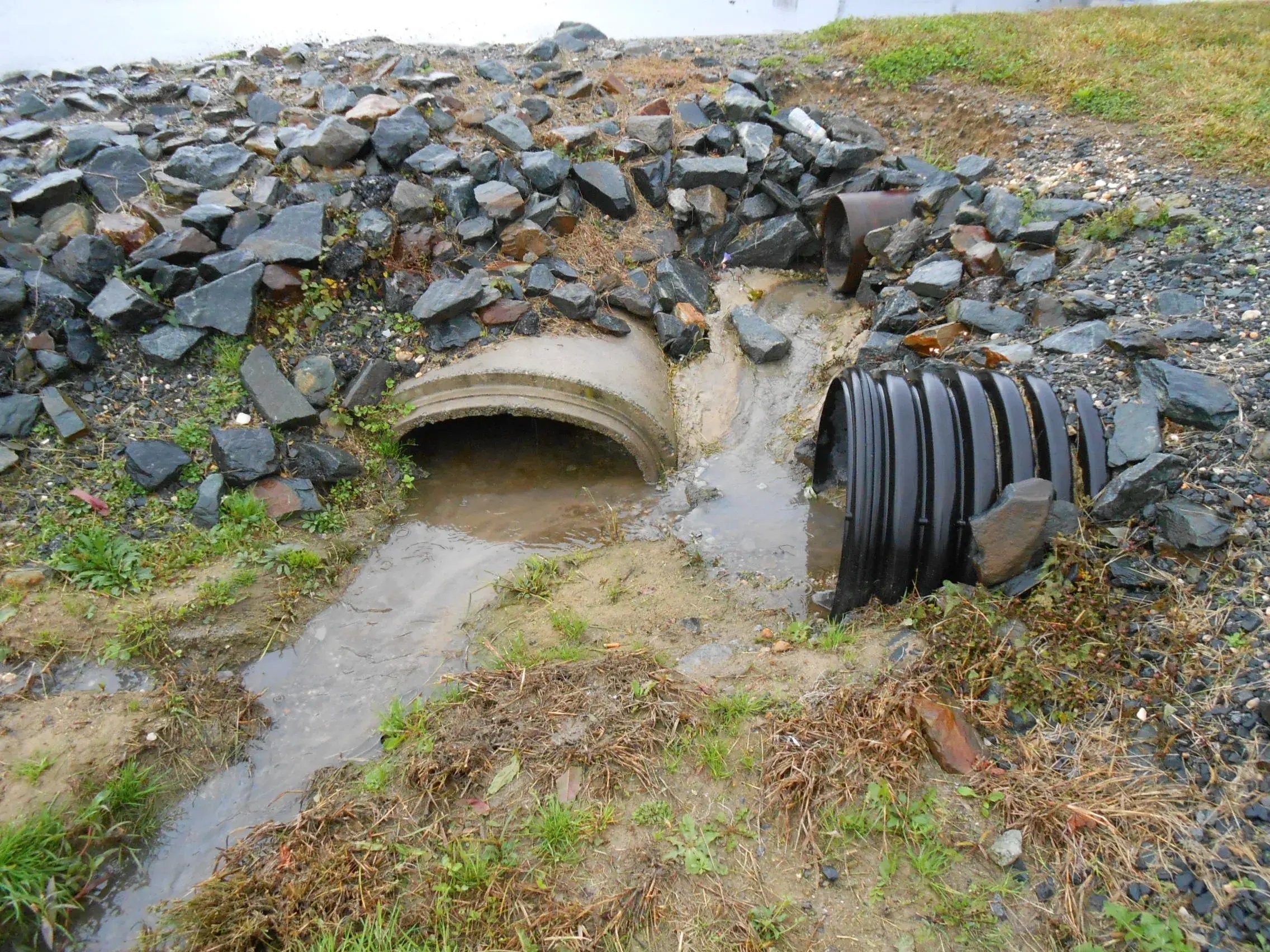
The 5G2 is a general permit, which means NJDEP wrote one set of rules and lets many facilities sign on to it, instead of writing a separate permit for each site. Its full name is the Basic Industrial Stormwater General Permit, and its NJPDES permit number is NJ0088315. It covers stormwater, which in this program means rainfall and snowmelt that runs off your property. The reason it exists is simple. When rain hits exposed equipment, stored materials, open dumpsters, or dirty pavement, it can carry oil, metals, chemicals, and trash into storm drains and then into streams, and NJDEP regulates that through permits.
NJDEP renewed the 5G2 through a master general permit that took effect on February 1, 2023. Its 5G2 web page lists the permit, a fact sheet, application forms and checklists, a certification form, and guidance documents. Read the current versions there before you rely on any summary, ours included.
The word "Basic" in the name makes the 5G2 sound like New Jersey's default permit for any industrial site. It isn't. It has one big condition, which is that nothing industrial can be left out in the weather, and most of what follows in this article comes back to that. For a longer walk through the permit, see our detailed 5G2 guide.
Which Facilities Can Use the 5G2 Basic Industrial Stormwater Permit?
NJDEP makes the 5G2 available to regulated industrial facilities that have eliminated, or can eliminate within six months of authorization, all exposure of industrial materials and activities to stormwater. You can eliminate exposure by covering materials and activities or by moving them indoors. In practice, the 5G2 tends to fit operations that work entirely inside a building, such as print shops, breweries, food producers, fabricators, and indoor electronics recyclers.
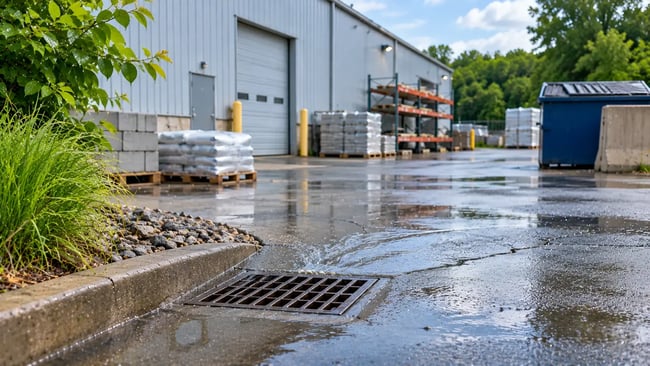
"No exposure" is a strict standard. Materials, equipment, finished product, scrap, and waste containers can't sit outside uncovered. In our experience inspectors look hard at dumpsters, pallets, drums, and anything stored along the building's exterior wall. The six-month window lets you get authorized first and finish the fixes afterward, but you do have to finish them.
Being regulated is a separate question from which permit to use. Whether a facility needs any industrial stormwater permit depends on its SIC code and on what happens outdoors, and many warehouses, data centers, dealerships, and similar operations turn out not to be regulated at all. Where your site drains also matters. If runoff goes to a sewerage authority instead of a storm drain or waterway, that authority's rules may apply instead of, or alongside, NJPDES, so confirm where your water goes. Our guide on who needs a stormwater permit walks through how to tell.
How Does the 5G2 Differ From Industry-Specific NJPDES Stormwater Permits?
New Jersey offers more stormwater permit choices than most states. Besides the 5G2, NJDEP issues industry-specific general permits for concrete products manufacturing (CPM), hot mix asphalt (R4), mining and quarrying (R13), sand and gravel (RSG), scrap metal (SM and SM2), vehicle recycling (RVR), and wood waste recycling and leaf composting (WRC). Individual permits and a no exposure exclusion round out the list.
| Option |
Who it fits |
Outdoor industrial activity |
| 5G2 Basic Industrial Stormwater General Permit |
Regulated facilities that have eliminated, or can eliminate within six months, all exposure |
Not allowed |
| Industry-specific general permits (CPM, R4, R13, RSG, SM and SM2, RVR, WRC) |
Facilities in those specific industries |
Written around the outdoor work typical of each industry |
| Individual NJPDES permit |
Facilities that can't eliminate exposure and don't fit a general permit |
Addressed in terms written for your site |
| No exposure exclusion |
Facilities where nothing industrial is exposed at all |
None, and the site has to stay that way |
The biggest difference is how each permit treats outdoor work. A concrete plant or a scrap yard can't realistically move everything indoors, so NJDEP wrote permits around what those industries do outside. The 5G2 gives you no such room. A facility in one of those industries could in theory use the 5G2 if it got everything under cover, but few do.
Requirements differ too. Some industry-specific permits require stormwater sampling, and the 5G2 doesn't, which is a large part of why it's the lighter permit to live with. Our articles on the SM2 scrap metal permit and on concrete plants and stormwater permits show how much heavier an industry-specific permit can be, and our guide on which NPDES permit you need helps you sort out where you land.
What Does the 5G2 Require: SWPPP, BMPs, and Training?
The core of the 5G2 is a written plan. NJDEP calls it a Stormwater Pollution Prevention Plan and abbreviates it SPPP. You'll also hear it called an SP3 or just a stormwater plan. We call it a SWPPP, and we'll use that here. Under the permit you prepare the plan, put it into practice, and certify to NJDEP that you did both. The plan isn't mailed in. It stays on site with your records, and the certification form says so directly.
NJDEP publishes free SPPP forms for the 5G2, along with a guidance document it last revised in February 2013. The forms walk you through an inventory of your industrial activities and materials, the controls you use to keep pollutants out of runoff, an inspection schedule, and a training plan. The 5G2 doesn't require an engineer or other credentialed professional to prepare the plan, so a facility with someone who can handle the paperwork can often write it from NJDEP's forms. Our guide on writing your own SWPPP covers what that looks like.
The controls in the plan are called best management practices, or BMPs. They're the everyday habits and physical measures that keep pollutants away from rain, such as covering dumpsters, keeping materials indoors, sweeping, keeping spill kits handy, and using drip pans. Because the 5G2 depends on keeping everything inside, most 5G2 BMPs come down to staying that way and keeping the outside of the building clean. If you want the background, see our explainers on what a SWPPP is and on stormwater BMPs.
How Do 5G2 Inspections and Annual Certification Work?
After you're covered, the 5G2 turns into a routine. NJDEP's guidance for the permit describes monthly inspections, with the records kept on site for NJDEP to review, plus a more thorough inspection and training each year and an annual certification to NJDEP.
| Task |
How often |
What it involves |
| Routine inspection |
Monthly |
A documented walk of the areas exposed to rain, checking that your BMPs are working |
| Comprehensive inspection |
Once a year |
A deeper version of the monthly walk that also reviews the plan, inspection records, and training records |
| Employee training |
Once a year |
Training for the people whose work could affect stormwater, with records of who attended and what was covered |
| Certification to NJDEP |
Once a year |
The 5G2 certification form, submitted without the plan itself |
The annual certification form states that the annual inspection was done, that the plan was evaluated under the permit's conditions, and that the facility is in compliance with its plan and the permit. Your due date is tied to the effective date of your authorization, which appears on your authorization page, and the form's instructions explain how to work it out. Keep a copy of the form with the plan.
The permit doesn't require training to happen in a classroom, and we cover that in our article on taking 5G2 training online. RMA's online training library is one ready-made option. NJDEP may also visit a 5G2 facility. In our experience those visits are short, with a walk around the outside of the building and a look at your plan and records. The usual problems are materials that drifted back outdoors, an outdated plan, and missing records. Our guide to a stormwater visual inspection shows how to do the monthly walk well.
Does the 5G2 Require Stormwater Sampling?
No. The 5G2 doesn't require routine stormwater sampling. The logic is straightforward: if nothing industrial is exposed to rain, there's nothing for a lab to find in your runoff, so NJDEP doesn't ask you to collect samples, run lab tests, or wait around for a storm.
That's a real difference from some of the permits written for outdoor industries, and it's a big part of why the 5G2 is the lighter option. Sampling rules vary by permit category, so check the permit you end up under instead of assuming.
How Do You Get Covered Under the 5G2, and What Does It Cost?
To get covered, you submit a Request for Authorization (RFA) to NJDEP, which some people still call a notice of intent. NJDEP's 5G2 page lists the application forms and checklists, so start there. You'll describe your facility, confirm that exposure is eliminated or will be within six months, and certify that you'll prepare and implement the plan. In our experience authorization can take anywhere from a few weeks to several months, and we recommend starting your plan and inspections right away instead of waiting.
On cost, NJDEP bills an annual fee. The 5G2 fee has been $800 a year under NJDEP's NJPDES rules at N.J.A.C. 7:14A, but fees can change, so check NJDEP's current schedule and your invoice. Beyond the fee, your costs depend on your site. Eliminating exposure might mean covered storage, a lidded dumpster, or more frequent sweeping, and your staff will spend time on inspections and training. A consultant's price depends on the size and complexity of your facility, whether you already have a plan, and how much help you want, whether that's the forms, the plan, training, or ongoing support.
The pricing calculator below gives you an instant quote for RMA's help with the forms, plan, and training. It doesn't include the fee you pay to NJDEP.
For the 5G2, doing it yourself is realistic. If someone on your staff can fill out the forms, write a plan from NJDEP's template, and run the inspections and training, you may not need us or anyone else. Our article on getting a stormwater permit yourself goes through what that involves.
If you're building or expanding a facility, construction has its own stormwater requirements, including 5G3 construction coverage and soil erosion and sediment control certification through the local Soil Conservation District. RMA doesn't prepare those, and you'll usually work with your engineer or contractor. Once the facility is running, you'll likely need the operational permit and plan covered here, and that's where we help.
What If Your Facility Doesn't Fit the 5G2 Stormwater Permit?
If you can't get everything indoors or under cover, you have a few other paths. If your industry has its own general permit, that's usually the natural fit. If it doesn't, the remaining option is an individual NJPDES permit. And if truly nothing at your site is exposed, you may be able to claim a no exposure exclusion instead of holding a permit.
The no exposure exclusion is not a permit. It's a way of saying you don't need one because nothing industrial touches rain or snowmelt. NJDEP sets a high bar and has its own process and form, so check the current requirements. In our experience a loading dock that extends past the building's permanent wall, materials under a tarp or overhang, or visible oil stains on the ground can each defeat it. Our article on what no exposure means explains the standard in more detail.
An individual permit is written for your site, and it generally takes longer to get and asks more of you than a general permit. Our guide on whether you need an individual NJPDES industrial permit lays out when that happens. If you're close to qualifying for the 5G2, a small change like moving drums into a shed or swapping an open dumpster for a covered one can make the difference, so look at that before you commit to a heavier permit.
How Can RMA Help With the 5G2 Basic Industrial Stormwater Permit?
We're based in New Jersey and work with NJDEP's permit categories every day, so we can help you figure out whether the 5G2 fits your site, whether another permit is a better match, or whether you need a permit at all. If the 5G2 is the right one, we can prepare the application, write your SWPPP, and train your team to run inspections and keep records. After you're covered, we offer annual support, including reminders, inspection prep, and plan updates, and you can have us do as much or as little as you like.
There's no pressure and no obligation. If your team can handle the 5G2 on its own, we'll tell you so. You can call us at 888-RMA-0230, email info@rmagreen.com, fill out the form on our website, or simply contact RMA to talk through your situation.