SCDHEC Is Increasing Scrutiny on Process Water Discharges at Concrete Facilities, and Producers Need to Get Ahead of It
If you operate a ready mix concrete plant in South Carolina, this issue needs to be on your radar. Recently, SCDHEC has conducted inspections at several concrete facilities and issued violations related to unauthorized non-stormwater discharges under the state's NPDES stormwater permit program. In simple terms, the state is alleging that some facilities covered under the South Carolina Multi-Sector General Permit are discharging process water when they're only permitted to discharge stormwater. That's a serious issue.
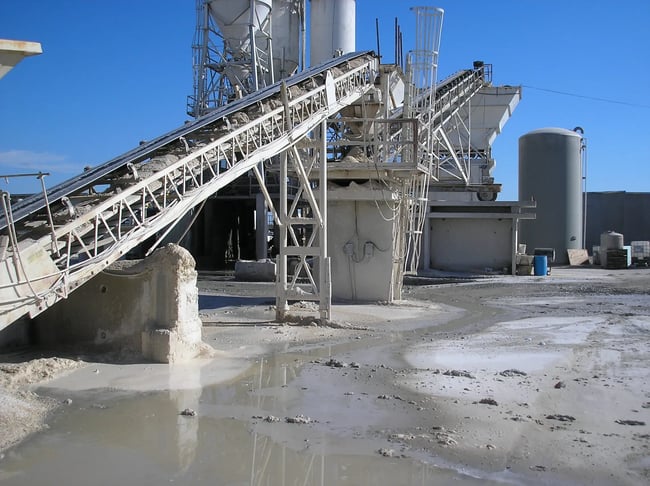
Most of these concerns involve process water escaping containment systems, overflowing washout basins, or infiltrating into the ground. In many cases, these are older facilities that were built years ago under very different regulatory expectations.
At RMA, we work extensively with the concrete industry throughout the Carolinas, and we can tell you clearly: this issue probably isn't going away. There are ongoing discussions between the Carolinas Ready Mixed Concrete Association and SCDHEC regarding how these requirements are being interpreted and enforced, but concrete producers should not assume the state is going to weaken its NPDES program simply to accommodate older operational practices.
The smarter move right now is to evaluate your facility, understand your vulnerabilities, and get ahead of the issue before an inspector identifies problems for you. If you'd like help evaluating your site or process water systems, reach out to RMA. This is exactly the kind of issue we help concrete producers navigate every day.
Table of Contents
Why South Carolina Is Focusing on Process Water at Concrete Plants
The South Carolina MSGP stormwater permit is intended to authorize stormwater discharges associated with industrial activity. The problem is that many concrete plants also generate process water during normal operations. That includes truck washout water, batch plant wash water, truck washwater, reclaim system water, and any other type of water that has commingled with concrete or cementitious materials. Once water becomes process water, regulators generally expect it to remain fully contained, reused, recycled, or otherwise properly managed. It's not supposed to leave the facility.
SCDHEC appears to be increasingly focused on whether process water is fully contained, whether washout basins could overflow during regular operations or smaller rain events, whether process water is escaping containment systems, whether contaminated water is infiltrating into the ground, and whether there's evidence of dry weather discharges. Those are the kinds of questions inspectors are asking right now, and they're finding answers at facilities across the state.
Honestly, many older facilities have legitimate vulnerabilities that need attention. That doesn't mean operators are intentionally doing something wrong. It often means facilities were built years ago under standards and operational assumptions that no longer align with how SCDHEC is interpreting and enforcing the NPDES program today.
What Counts as Process Water at a Concrete Plant?
This is where many facilities get tripped up. Concrete plants often think in terms of "water on site," but regulators think in terms of discharge sources and water quality impacts. The distinction is straightforward: if it didn't come from the sky as precipitation, it's not stormwater. At a concrete plant, process water includes truck washout water, truck and chute rinse water, reclaim system water, water impacted by admixtures or batching operations, and basin water with elevated solids or pH.
The compliance question isn't simply whether process water exists on-site. Every concrete plant has process water. The question is whether that process water can leave containment systems through overflow, seepage, runoff, or infiltration. If it can, you have a potential unauthorized discharge, and that's what SCDHEC is citing facilities for.
We commonly see facilities with washout basins that technically exist but are undersized for real-world operational conditions. Maybe production increased over time. Maybe drainage patterns changed. Maybe the basin was never engineered properly in the first place. Those situations can create major compliance risks very quickly, and they're exactly the kind of vulnerabilities that show up during an inspection.
Common NPDES Compliance Problems We're Seeing at Concrete Facilities
Across the Carolinas, several recurring issues keep showing up at concrete facilities, and understanding them is the first step toward fixing them before an inspector finds them.
The biggest is inadequate process water containment capacity. A basin may function most of the time, but compliance isn't judged on "most of the time." If a system overtops or discharges during smaller precipitation events, regulators may consider that an unauthorized discharge regardless of how well it performs on dry days.
Other common problems include poor separation between stormwater and process water, where the two commingle and turn what should be a permitted stormwater discharge into an unauthorized process water discharge. Inadequate containment controls around washout areas that were never formally engineered. Process water migration during heavy production periods when the volume of water being generated exceeds what the system can handle. Facilities relying on infiltration into the ground instead of true containment, which regulators increasingly view as an unauthorized discharge to groundwater. And a lack of sufficient water reuse systems that would reduce the volume of process water needing containment in the first place.
The uncomfortable reality is that many older concrete plants simply were not designed around today's environmental expectations. They were built when the regulatory landscape was different, and incremental changes in production, drainage, and enforcement priorities have created gaps that nobody addressed along the way. Unfortunately, inspectors typically don't care much about historical norms once they identify a discharge concern.
The Possibility of Additional Permitting Requirements for Concrete Plants
If you operate a concrete plant in South Carolina, there's an additional dimension to this issue that you need to be aware of. The standard MSGP stormwater permit isn't your only option. A facility can pursue an NPDES Individual Permit that authorizes the discharge of both stormwater and process water. That might sound like a straightforward solution, but in practice it's probably not the path you want. Individual permits are significantly harder to obtain, and the compliance requirements that come with them can be so onerous and difficult to meet that you may be better off fixing your containment issues than trying to permit your way around them.
There's also the possibility that SCDHEC might consider additional wastewater permitting requirements for facilities that fail to manage their process water in an appropriate, industry-standard manner. While we're going to push back on the need for additional permitting to the degree possible, it's on the industry to get operations up to certain standards, provided it can be done cost-effectively and across a reasonable timeframe. This is an evolving situation, and additional permitting is a possibility that everyone in the concrete industry wants to avoid. The best way to avoid it is to demonstrate that the industry can manage process water responsibly under the existing framework.
What South Carolina Concrete Producers Should Do Right Now
If you operate a concrete plant in South Carolina, now is the time to evaluate your facility honestly and proactively. Not after a Notice of Violation. Now.
Evaluate Overall NPDES and MSGP Compliance
Having permit coverage does not automatically mean you're compliant. Your SWPPP, inspections, BMPs, operational controls, and site conditions all matter. If you haven't reviewed the full scope of your MSGP obligations recently, that's the place to start.
Assess Process Water Containment Capacity
Can your basins realistically contain operational process water plus precipitation events? Or are they functioning based on ideal conditions and good weather? That's an important distinction, because inspectors don't visit on your best day. They visit on the day they visit, and if it rained the night before and your basin is at capacity before the first truck washes out, you have a problem.
Identify Potential Discharge Pathways
Carefully review your site drainage, overflow conditions, washout areas, berm integrity, transfer points, reclaim systems, and any low areas where water could escape containment. Walk the site with fresh eyes and look for evidence of process water migration: staining, sediment deposits, erosion channels, or wet areas that shouldn't be wet. These are exactly the kinds of things inspectors notice during site visits.
Explore Water Reuse and Recycling Opportunities
Facilities that actively reduce, reuse, and recycle process water are generally in a much stronger position both operationally and from a compliance standpoint. That doesn't necessarily mean major capital improvements overnight, but it does mean producers should begin evaluating realistic long-term solutions that reduce the volume of process water needing containment. More reuse means less water that can become an unauthorized discharge.
Why Concrete Producers Are Turning to RMA for NPDES Help
This is where industry-specific experience matters. A lot of environmental consultants understand permits. Far fewer understand how concrete plants actually operate in the real world. At RMA, we've spent years working directly with concrete producers throughout the Carolinas. We understand the operational realities, production pressures, infrastructure limitations, and regulatory risks concrete facilities deal with every day. We also understand how regulators think, and that combination matters because solving these issues requires practical operational solutions, not generic environmental advice.
In many cases, the goal isn't perfection overnight. The goal is understanding your risks, improving your defensibility, and building a realistic path forward before enforcement escalates. There's no pressure, and we're not going to tell you to shut down production while you figure this out. We help you evaluate where you are, understand what needs to change, and build a plan that makes sense for your operation. If your facility hasn't recently evaluated its process water containment, washout basin capacity, stormwater controls, water reuse opportunities, or overall MSGP compliance, this is the time to do it, because getting ahead of the issue is almost always cheaper than dealing with violations after the fact. Reach out to RMA and we'll help you figure out where your facility stands.