How New Jersey's WRC General Permit Applies to Town-Run Leaf Yards, and How It Differs From Your Recycling Approval and Municipal Stormwater Permit
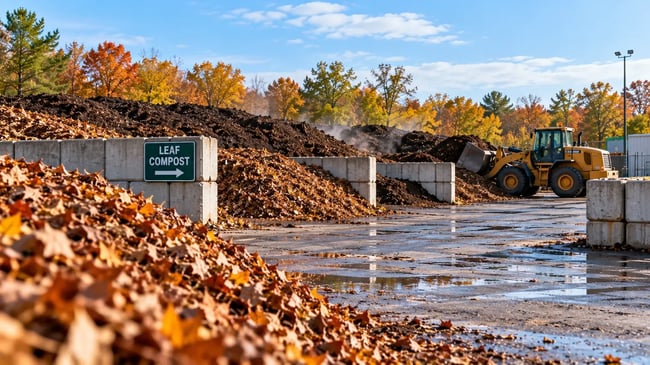
If your town runs a leaf yard, you've got long windrows of leaves, grass, and wood chips sitting outside in the rain, and the water that runs off them is regulated by the New Jersey Department of Environmental Protection (NJDEP). Most public works staff think of the yard as a recycling operation, not an industrial one, and many assume the stormwater permit the town already holds covers it. Usually it doesn't. The short answer is that a municipal leaf composting site that receives, stores, and processes leaves, grass clippings, or wood chips most likely needs coverage under New Jersey's Wood Waste Recycling and Leaf Composting general permit, known as WRC.
That permit is separate from your recycling center approval and separate from your town's municipal stormwater permit, which is where most of the confusion starts. In this article we'll walk through what WRC is, which leaf yard activities trigger it, how it differs from the other two, what it asks of a public works department, what happened with the state's grant money, and where construction work fits in. NJDEP makes the final call on edge cases, so if your site doesn't fit neatly, feel free to reach out to RMA and we'll help you work out where you land.
Table of Contents
TL;DR
Most town-run leaf composting sites in New Jersey that receive, store, and process leaves, grass clippings, or wood chips need stormwater coverage under NJDEP's WRC general permit. That permit is separate from your town's municipal stormwater permit and from your recycling center approval, so holding those doesn't cover the yard. WRC comes with a stormwater plan, a drainage control plan, monitoring, inspections, and an annual report. Edge cases exist, such as sites that only stage material before hauling it elsewhere, and NJDEP makes the final call on those.
What Is the WRC Stormwater Permit, and Does It Cover Municipal Leaf Composting Sites?
NJPDES stands for the New Jersey Pollutant Discharge Elimination System, the state program that regulates what leaves a site with water, including rain that runs off the ground. A general permit is a permit NJDEP writes once for a whole category of facilities, so instead of negotiating a custom permit you apply for coverage under the standard one. For leaf yards, the standard one is the Wood Waste Recycling and Leaf Composting general permit, known as WRC (NJPDES permit number NJ0324183). NJDEP describes it as an alternative to an individual NJPDES stormwater permit, and our guide to general, individual, and no-exposure permits shows how those categories fit together.
The permit covers two kinds of activity. One is recycling in which branches, limbs, trunks, brush, and other wood waste are received, stored, processed, and transferred, as long as the wood hasn't been chemically treated, glued, dyed, or painted, and processing stays limited to chipping, grinding, screening, and size reduction. The other is composting in which grass clippings, leaves, and wood chips (again, nothing treated, glued, dyed, or painted) are received, stored, processed, and transferred. If that reads like your leaf yard, you're who the permit was written for. NJDEP renewed the WRC master permit in December 2025, and the new version took effect January 1, 2026.
Towns are clearly part of the group NJDEP has in mind. The department set aside federal pandemic relief money to help public facilities operate under WRC, and several towns now post their WRC stormwater plans on their municipal websites. One question comes first, though: whose permit is it? The operator of the site holds the coverage. If your town hauls its leaves to a county, regional, or private composter, that operator carries the stormwater permit, and your job is making sure the site is an authorized one. If your town runs the yard, the permit is yours.
Which Leaf Yard Activities Trigger WRC Stormwater Coverage?
The permit follows what happens on the site, not what the site is called or who owns it. The table shows where common municipal situations usually land. Treat it as a starting point, because NJDEP's read of your exact operation is the one that counts.
| What Happens at Your Yard |
Where Stormwater Coverage Usually Lands |
| You receive leaves and grass clippings and compost them in windrows |
The WRC general permit |
| You grind or chip brush, limbs, and clean wood |
The WRC general permit, since chipping, grinding, screening, and size reduction are the processing it allows |
| You only stage curbside leaves briefly before hauling them to another composter |
Unclear, and it depends on how long material sits and what you do to it, so ask NJDEP before assuming either way |
| The yard also takes painted, treated, or glued wood, or other materials beyond clean wood and leaves |
Outside the activities WRC lists, so another permit category or an individual permit may apply |
| The leaf yard shares a property with a public works garage, fueling, or salt storage |
Those activities can raise separate permit questions, so ask NJDEP how it views the property as a whole |
NJDEP's description of WRC is built around activities. Small yards still have runoff, and their piles still sit in the weather for months. If your yard lands in a gray row, our article on whether you need an individual NJPDES industrial permit covers what happens when a general permit doesn't fit, and our overview of NJPDES stormwater permit requirements gives the wider New Jersey picture.
How Does WRC Differ From Your Municipal Stormwater Permit and Recycling Approval?
Public works staff usually already hold two NJDEP authorizations that sound related. Neither replaces WRC, and WRC doesn't replace either of them.
| Authorization |
What It Covers |
NJDEP Program |
| Municipal stormwater permit (Tier A or Tier B) |
The town's storm sewer system and its programs, such as leaf and yard waste ordinances and street sweeping |
Municipal stormwater |
| WRC general permit |
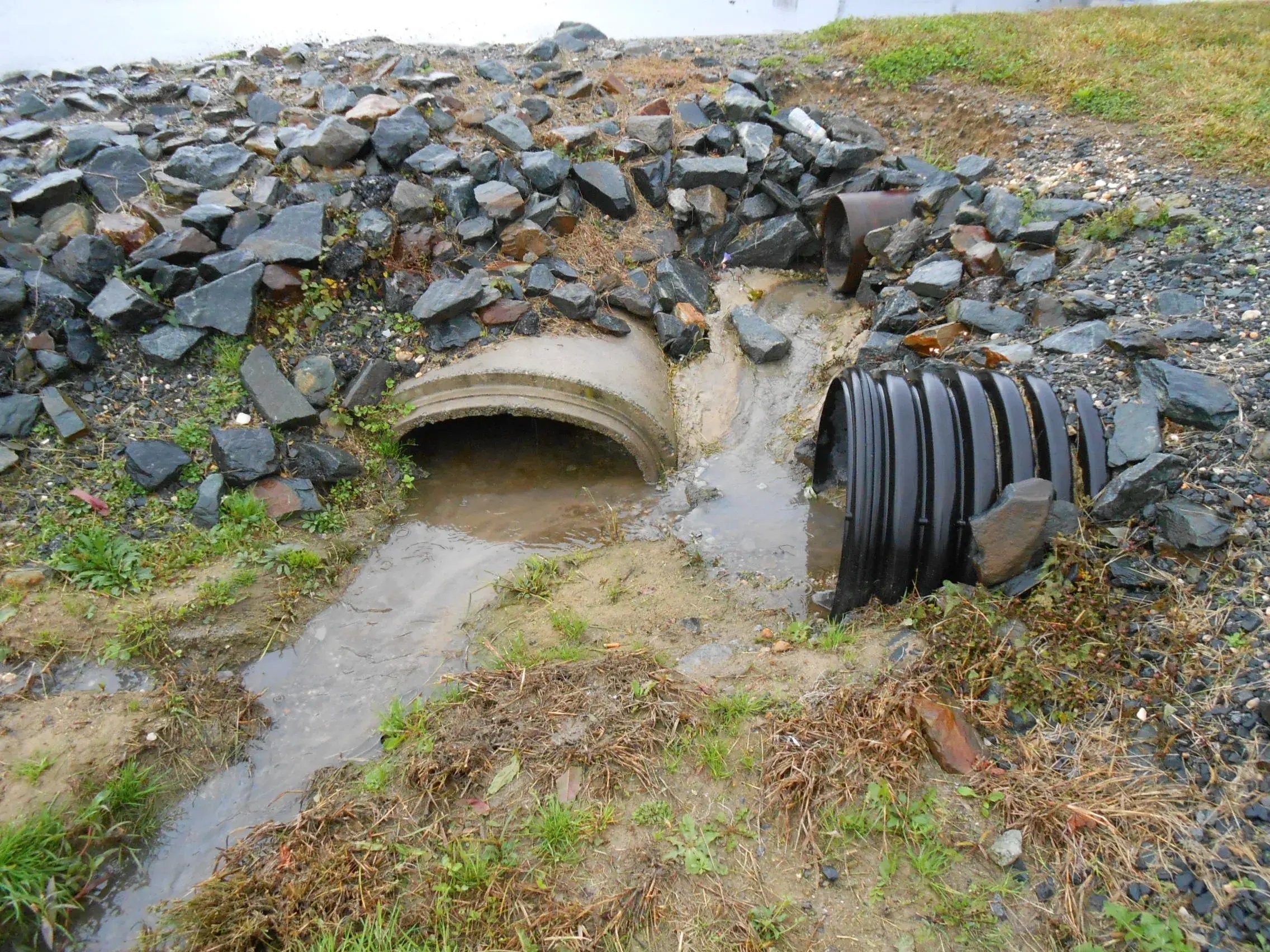
Rain runoff from the wood waste and leaf composting yard to surface water and ground water |
Industrial stormwater |
| Recycling center approval or exemption |
The right to receive, store, and process the material, with tonnage, storage, and operating conditions |
Solid waste and recycling |
Why Doesn't the Town's Municipal Stormwater Permit Cover the Leaf Yard?
A Tier A or Tier B municipal stormwater permit covers the municipal separate storm sewer system and the programs around it. Leaves in the street belong to that permit, which is why so many towns have ordinances about where residents can put leaves and yard waste. The compost yard has its own piles, equipment, and discharge points, and NJDEP regulates it on a separate track with its own plan and paperwork.
Your right to operate the yard comes from NJDEP's solid waste and recycling program. New Jersey law has long required municipally collected leaves to go to a facility NJDEP has authorized or approved, so most town yards run under a Class C recycling center general approval for composting yard trimmings, and yards that also grind wood often hold a Class B or a combined B and C approval. Some smaller operations run under a recycling exemption, and the town then has to document that it meets every term. Your county's solid waste plan also has to include the facility, and your county solid waste or recycling coordinator can tell you where that stands.
An approval or an exemption doesn't answer the stormwater question, and WRC coverage doesn't give you the right to operate. You need both. Our guide to recycling approvals versus solid waste permits and our article on New Jersey recycling exemptions cover the approval side, and our piece on NJPDES stormwater permits and recycling centers shows where the two programs meet.
What Does the WRC Permit Require From a Town-Run Leaf Composting Yard?
At a high level, the permit asks you to understand where your yard's water goes, put controls in place, check that they work, and report once a year. The details live in the current permit and in your own authorization, so use this section as a map.
What Do the Stormwater Plan and Drainage Control Plan Cover?
The core document is a stormwater pollution prevention plan. NJDEP calls it an SPPP, and you'll also hear it called an SP3 or just a stormwater plan. We'll use SWPPP (pronounced "swip"), the term most people know, and our article on what a SWPPP is walks through the parts. For WRC sites the plan includes a Drainage Control Plan and map showing your drainage areas, where water leaves the site, where the discharge monitoring points sit, and where leaf windrows, chip piles, and equipment are stored. The municipal plans we reviewed were certified by a New Jersey licensed professional engineer, with elevations measured by a licensed land surveyor, so plan on your town engineer being involved.
The controls are what DPW crews notice most. Berms, swales, bermed or covered storage, vegetated buffers, and infiltration areas are typical, and our guide to stormwater best management practices explains the common ones. Leaf yards have a recognizable problem, the dark, tea-colored water that drains from active compost and fresh leaf piles. The municipal plans we reviewed note that discharges with discoloration, sheen, foam, or odor tied to the activity are prohibited, and so is sending stormwater onto a neighbor's property without written consent.
What Do Monitoring, Inspections, and the Annual Report Involve?
The permit includes monitoring tables for discharges to surface water and ground water. The municipal plans we reviewed list parameters such as pH, suspended solids, nutrients, chemical oxygen demand, E. coli, and some metals, with samples analyzed by a New Jersey certified laboratory and results reported electronically. Exact parameters, limits, and frequencies depend on your authorization, so check yours instead of borrowing another town's numbers. The permit also expects regular inspections of your controls, an annual inspection, and an annual report and certification. Results over the limits can mean added monitoring and more controls, and continued problems can lead NJDEP to require an individual permit.
Certifications must be signed by a responsible official, which for a government agency NJDEP's certification form defines as a ranking elected official, the chief executive officer, or a duly authorized representative under N.J.A.C. 7:14A-4.9. Settle who signs before the first deadline arrives.
Where sampling is required, we recommend your own crew takes the samples. They know the yard, and storms rarely line up with a consultant's calendar. Our article on taking your own stormwater samples explains why, and our online training library can bring newer crew members up to speed.
What Should a Town Do First to Get WRC Stormwater Coverage?
Most of the early work is gathering information your town already has, and you can do it before spending anything.
- Find out whether the yard already holds WRC authorization. Towns sometimes do without knowing it, and the renewed permit took effect in January 2026, so compare any existing plan against the current one.
- Pull your recycling center approval or exemption paperwork and the site plan, so the stormwater plan and the approval describe the same yard.
- Walk the yard during or right after a rain and note where water enters, pools, and leaves. Take photos.
- Write down what comes through the gate and what you do with it, including every processing step.
- Decide who's on the team: the DPW supervisor, the town engineer, whoever signs certifications, and whoever will sample.
- Get the application materials from NJDEP's WRC permit page. NJDEP sets the fees and requirements, so check the current forms before you budget.
Some towns write the plan in house, especially when the engineer has stormwater experience, and our article on writing your own SWPPP is straightforward about when that makes sense. Timing for a municipality also depends on council meetings and budget approvals, and our article on how long a New Jersey stormwater permit takes gives the general picture.
Is There Grant Money for Municipal Leaf Composting Stormwater Compliance?
There was, and that round has closed. NJDEP's Leaf Composting Grant Program, funded by American Rescue Plan Act money, split $1.35 million evenly among qualified public applicants that held or had applied for WRC authorization, and applications closed August 15, 2025. The money went first to preparing and implementing the stormwater plan and drainage control plan, then to other WRC compliance work. NJDEP's program page said extra money, if any appeared, would be shared among applicants, or a new funding opportunity might be offered. If your town missed the round, check NJDEP's stormwater grants page before assuming nothing is available. Without grant money, WRC costs usually land in the public works or engineering budget.
What if Your Town Is Building or Regrading a Leaf Composting Yard?
Building a new yard, adding a berm and infiltration basin, regrading, or paving a processing pad counts as construction, and construction has its own stormwater requirements. In New Jersey that typically means the construction stormwater general permit (5G3), soil erosion and sediment control certification through your county's Soil Conservation District, and, for major development, stormwater management design under N.J.A.C. 7:8.
We don't prepare construction permits or approvals, and most towns handle that piece with their municipal engineer or an engineering consultant. What we help with starts once the yard is running: confirming WRC is the right permit, preparing the stormwater plan, and getting your crew ready for inspections and sampling. We can also help you figure out what the construction phase needs and point you toward the right construction professionals.
How Can RMA Help Your Town With WRC Stormwater Permitting?
We're a family-run firm based in New Jersey, and senior staff do the work on your plan instead of passing it to someone junior. For a town leaf yard, that usually means confirming WRC fits your operation, preparing the stormwater plan and the written parts of the permit package, and training your DPW crew for inspections and sampling. After you're covered, we offer ongoing support, including reminders, help interpreting results, plan updates, and inspection prep, and you can be as hands-on or hands-off as you like.
A few limits. We aren't an engineering firm, so certified drainage plans, survey work, and basin design come from your engineer and surveyor, and we can tell them what the permit expects. We don't take stormwater samples ourselves, because your people can reach the sampling point the hour a storm hits, so we train them to sample correctly. Cost depends on whether a plan already exists, how large the yard is, how many drainage areas and monitoring points it has, and how much support you want afterward, and we can give you a real number once we know your situation. We're not always the cheapest option, and we're not the fit if the main goal is the lowest price or the fastest turnaround. If your town engineer already has WRC covered, you may not need us at all.
If you'd like to talk it through, there's no pressure and no obligation. You can call us, email us, or fill out the form on our website to contact RMA and start the conversation.