How the R13 Mining and Quarrying Permit and Other NJPDES Permits Apply to Quarry Dewatering and Wash Water
Every quarry has a water problem sooner or later. Rain falls into the pit, groundwater seeps through the rock face, and the plant that washes and screens stone needs a steady supply of water and has to send it somewhere when it's done. Most quarry managers know the pit has to be pumped. Fewer realize that NJDEP doesn't treat all of that water the same way, or that the permit covering your stormwater may or may not cover the water you pump out of the ground.
This article walks through, in general terms, how pit dewatering and wash water are usually handled at New Jersey quarries, how that connects to the R13 Mining and Quarrying general permit and other NJPDES permits, and why these discharges deserve a careful read before anyone turns on a pump. We've hedged in places because the answer really does depend on your site, your discharge point, and your permit. If you'd rather talk through your own situation, you can reach out to RMA any time.
Table of Contents
TL;DR
Pit dewatering and wash water aren't stormwater, and NJDEP's permits don't treat them as if they were. The R13 general permit covers stormwater and certain process wastewater discharges to surface water, but only stormwater to groundwater, so whether your pumped water fits depends on where it comes from, where it goes, and what's in it. Some quarries need an individual NJPDES permit or another approval for part of their water. Read your permit and fact sheet closely before you pump, and get a second opinion if the answer isn't obvious.
What Are Pit Dewatering and Quarry Process Water?
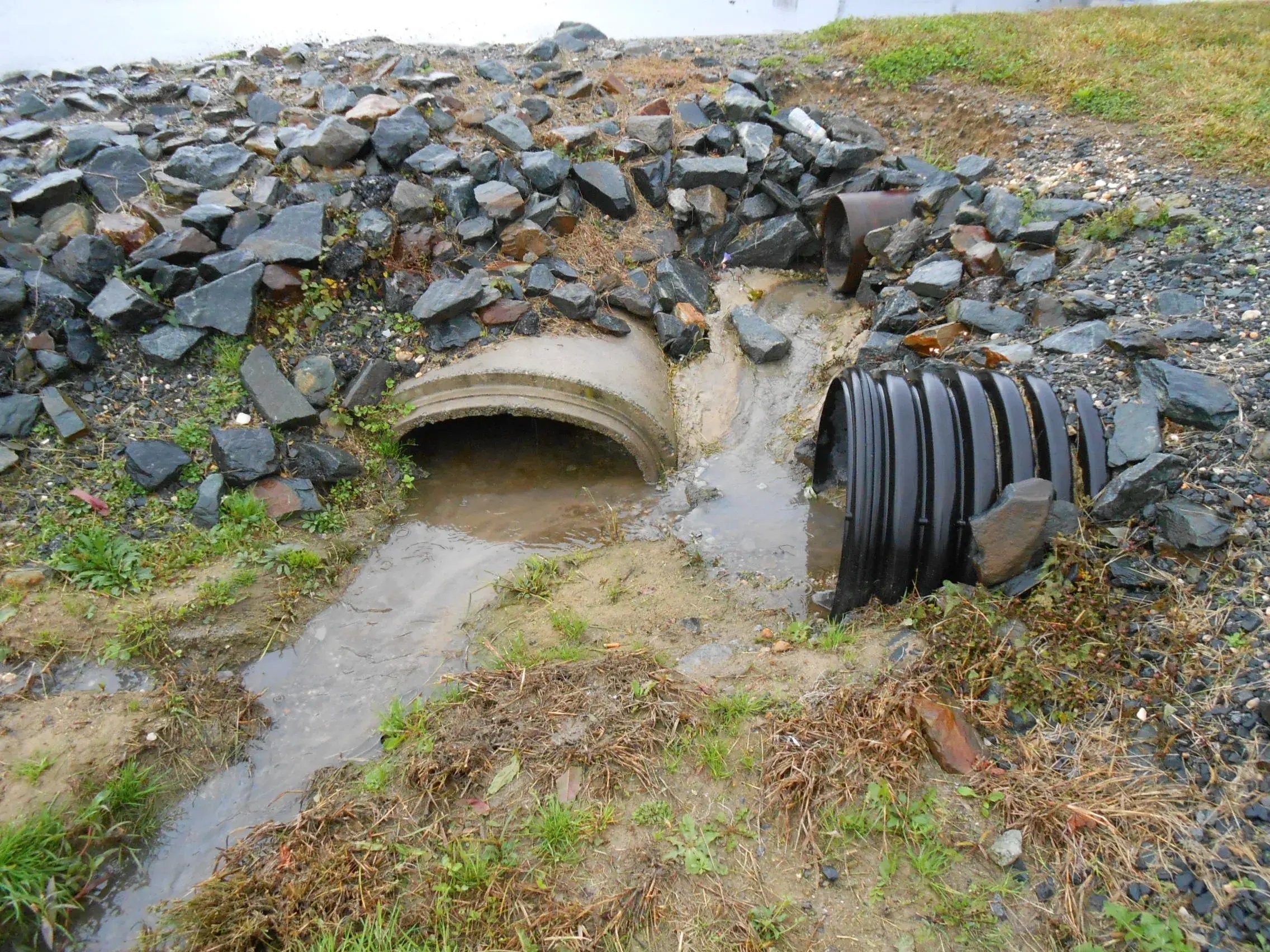
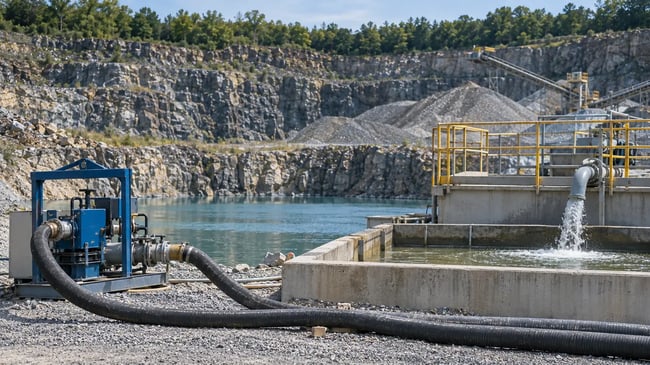
Pit dewatering is the pumping of water that collects in a quarry pit or sump. It's a mix of rainfall, snowmelt, and groundwater moving through fractures and seams in the rock, and the mix shifts with the seasons and with how deep the pit goes. Some pits stay nearly dry for months and then take in a lot of water after a storm. Others are pumped almost constantly because they've cut below the water table.
Process water is a different thing. It's the water a plant uses to wash, screen, or classify stone, sand, or gravel, along with related uses like washing equipment. It picks up silt and fine particles on the way through, and depending on what the plant does, it can pick up other things too. Stormwater, meanwhile, is the rain that runs across stockpiles, haul roads, and processing areas and leaves the site. Because all of these waters tend to end up in the same pond or ditch, people often lump them together. NJDEP's permits don't.
| Type of Water |
Where It Usually Comes From |
What to Check |
| Stormwater runoff |
Rain and snowmelt running over stockpiles, roads, and plant areas |
Whether your general permit covers it and where it drains |
| Pit dewatering |
Rain, snowmelt, and groundwater collecting in the pit or sump |
Whether your permit or fact sheet addresses it, and the receiving water |
| Wash and screening water |
Aggregate washing, screening, and classifying |
Whether it counts as process wastewater under your permit and what it contains |
| Equipment wash water |
Washing trucks, loaders, and plant equipment |
Whether it can go to a settling pond at all, and what's on the equipment |
| Dust suppression water |
Spraying roads and stockpiles to hold dust down |
The source of the water and any limits on runoff leaving the site |
The reason the distinction carries so much weight is that a discharge permit is written around the type of water, where it goes, and what's in it. If you want a plainer walkthrough of the stormwater side of that line, our article on the difference between stormwater and process water covers it.
Which NJPDES Permits Cover Quarry Dewatering and Process Water?
NJPDES is the New Jersey Pollutant Discharge Elimination System, the state's version of the federal NPDES program, and NJDEP runs it. Quarries can end up under a general permit, an individual permit, or a mix, and which one applies to which water is where the confusion starts.
The R13 is the Mining and Quarrying general permit. A general permit is one set of conditions NJDEP writes for many similar facilities, so a quarry can sign onto it instead of getting a permit written from scratch. According to NJDEP, the R13 authorizes stormwater and certain process wastewater discharges to surface water, and stormwater-only discharges to groundwater, for mining and quarrying operations. Two phrases in that description carry most of the weight: "certain" and "stormwater-only." Not every process wastewater is covered, and anything going to groundwater under the R13 is limited to stormwater. NJDEP has also said mining and quarrying operations are no longer authorized under the Construction General Permit (5G3) or the Basic Industrial Stormwater General Permit (5G2), so a quarry that once relied on one of those should confirm where it stands today.
Sand and gravel operations have their own track. NJDEP's Sand and Gravel general permit (RSG) authorizes stormwater discharges to groundwater at sand and gravel mining and quarrying facilities, and it's aimed at operations with no discharge to surface water. NJDEP posted a renewed RSG that took effect on January 1, 2026, along with a minor modification, so anyone working from an older copy should pull the current one. When a discharge doesn't fit a general permit, NJDEP can require an individual NJPDES permit, which is written for one facility and one discharge and carries its own limits and monitoring. Our article on individual NJPDES industrial permits explains how that decision tends to work.
| Permit |
What NJDEP Says It Authorizes |
Watch For |
| R13 Mining and Quarrying |
Stormwater and certain process wastewater to surface water, stormwater only to groundwater |
Which process wastewaters count as "certain," and whether pit water fits |
| RSG Sand and Gravel |
Stormwater to groundwater at sand and gravel operations |
Operations with surface water discharges, and the 2026 renewal terms |
| Individual NJPDES permit |
Whatever the permit itself says, written for the facility |
Site-specific limits, monitoring, and renewal timing |
Why Does the Discharge Point Matter for Quarry Water?
Where the water goes shapes which rules apply to it, and a single quarry can send water to more than one place. Water pumped to a stream or ditch that reaches a stream is a discharge to surface water. Water sent to a basin that soaks into the ground is a discharge to groundwater. Water that goes to a sewerage authority is handled under that authority's rules, which are separate from NJDEP's stormwater permits. And some plants recirculate wash water through settling ponds and reuse it, which can cut how much leaves the site.
That last option is common in aggregate plants, but it doesn't end the question. Ponds overflow in big storms, pumps fail, and berms get cut for maintenance. What happens to that water when it leaves the pond is still a discharge, and it should be something you planned for rather than something you learn about after a storm. The receiving water matters too. A small stream with extra protection can be treated differently from a larger river, and NJDEP can set stricter expectations for some waters, so the name and classification of what your outfall reaches are worth looking up.
We'd be careful about any blanket answer, including ours, on whether a particular quarry's dewatering can go under the R13. The permit text, the fact sheet, and the specifics of your discharge decide it, and NJDEP is the final word. What we can say is that a discharge point nobody has mapped is a problem waiting to be found by an inspector.
What Should a Quarry SWPPP Say About Process Water?
The stormwater pollution prevention plan is the written plan that shows how a facility keeps pollutants out of the water leaving it. NJDEP calls it an SPPP, and you'll hear people say SP3 or just the stormwater plan. We call it a SWPPP (pronounced "swip"). NJDEP publishes a document with the required contents of the SPPP for the R13, so the plan isn't left to guesswork. Our article on what a SWPPP is covers the basics if you're newer to it.
For a quarry, the useful plans are the ones that follow the water. A good site map shows where pit water is pumped, where wash water travels, where settling ponds sit, and where each outfall leaves the property. It separates the flows that are stormwater from the flows that aren't, because the moment stormwater and process water mix, it can change which conditions apply to the combined discharge. Mixed flows are also harder to sample in a way that tells you anything, which is another reason to know exactly how your system is plumbed.
The plan should also cover the day-to-day habits that keep water clean: who checks the ponds and how often, how sediment is removed, how fuel and oil near the pit and plant are handled, and what gets done when a pond is close to overflowing. Those are best management practices, and our guide to stormwater BMPs goes through how they're chosen and documented. A plan that sits in a binder while the pumps run on their own isn't doing its job.
How Does Sampling Work for Quarry Dewatering and Wash Water?
Sampling requirements follow the permit that authorizes the discharge, so there's no single answer. Some permits call for sampling and reporting, some call for visual checks, and individual permits set their own parameters and frequencies. We're not going to guess at parameters or schedules here, because they vary by permit and can change when a permit is renewed. The monitoring section of your permit and the fact sheet that goes with it are the places to look.
Where a permit does call for lab analysis, you'll want to confirm what the permit expects of the lab, including whether it needs to be certified under NJDEP's laboratory certification program. Our article on picking a water testing lab covers the practical side. Results that have to be reported usually go in on discharge monitoring reports, which we explain in our piece on DMRs.
On who collects the samples, we're plain about how we work. We don't send our own people out to sample for you. Storm events don't give anyone much notice, and your team knows the site, the outfalls, and the pumps better than we do. We train facility staff to sample correctly instead, and we've written about why taking your own samples works better for most facilities. If you want formal training for new staff, our online training library is a place to start.
Why Do Quarry Dewatering and Process Water Need Careful Review?
These are the discharges where a small wrong assumption can sit unnoticed for years. A quarry may have held a stormwater permit for a long time and reasonably assume that permit covers all the water leaving the site. Then an inspector, a permit renewal, or a change in operations raises the question of whether the pumped pit water and the wash water were ever covered. Fixing that after the fact is harder than sorting it out beforehand, and the cost of a violation can run well beyond the cost of getting the permit right.
| Common Assumption |
Why It's Worth Double-Checking |
| "Our stormwater permit covers everything we pump." |
General permits are narrow about which non-stormwater discharges they allow, and groundwater discharges may be stormwater-only. |
| "Wash water goes to a settling pond, so we're done." |
What leaves the pond, and how often, is still a discharge that needs authorization. |
| "We're covered the way we've always been." |
NJDEP has moved mining and quarrying off the 5G3 and 5G2, and permits get renewed and modified. |
| "The pit water is just groundwater and rain." |
Pit water can pick up fuel, blasting residue, or sediment on its way to the pump, and what's in it affects the answer. |
| "We changed the plant layout, but the permit hasn't changed." |
New washing, new ponds, or new outfalls can change which conditions apply and what your plan needs to show. |
One more caution: designing settling basins, treatment systems, or the hydraulics of a dewatering setup is engineering work, and it needs a qualified engineer. The permit side and the engineering side have to agree with each other, and neither one stands in for the other. It's usually worth getting both groups talking before a pump goes in rather than after.
How Does RMA Help With New Jersey Quarry NJPDES Permits?
We do mining NJPDES work and we've spent a lot of time with the mining and aggregates industry. For a quarry, that usually means reading your current permit, fact sheet, and plan alongside how your water moves, and helping you figure out which permit covers which water. From there we can help with the SWPPP, train your team to sample and inspect, and support you through the annual cycle, including reminders, interpreting results, and preparing for inspections. You can keep us hands-off or hands-on, depending on what your staff has time for.
We're also upfront about what we don't do. We don't do engineering or treatment system construction, and we don't prepare construction-phase or mining approvals for a new or expanded pit. If a project needs that, we can point you toward the right professionals and focus on the operational permits and plans you'll need once the site is running. We're a small firm with senior people doing the work, so we're not always the cheapest option, and we can't always turn things around on a very tight timeline. If that's what you need, we'll tell you up front.
If you'd like a second set of eyes on your quarry's water, there's no pressure and no obligation. You can call us, email us, or fill out the form on our website, and we'll talk through your situation and let you know whether we're the right fit. Just reach out to RMA whenever you're ready.