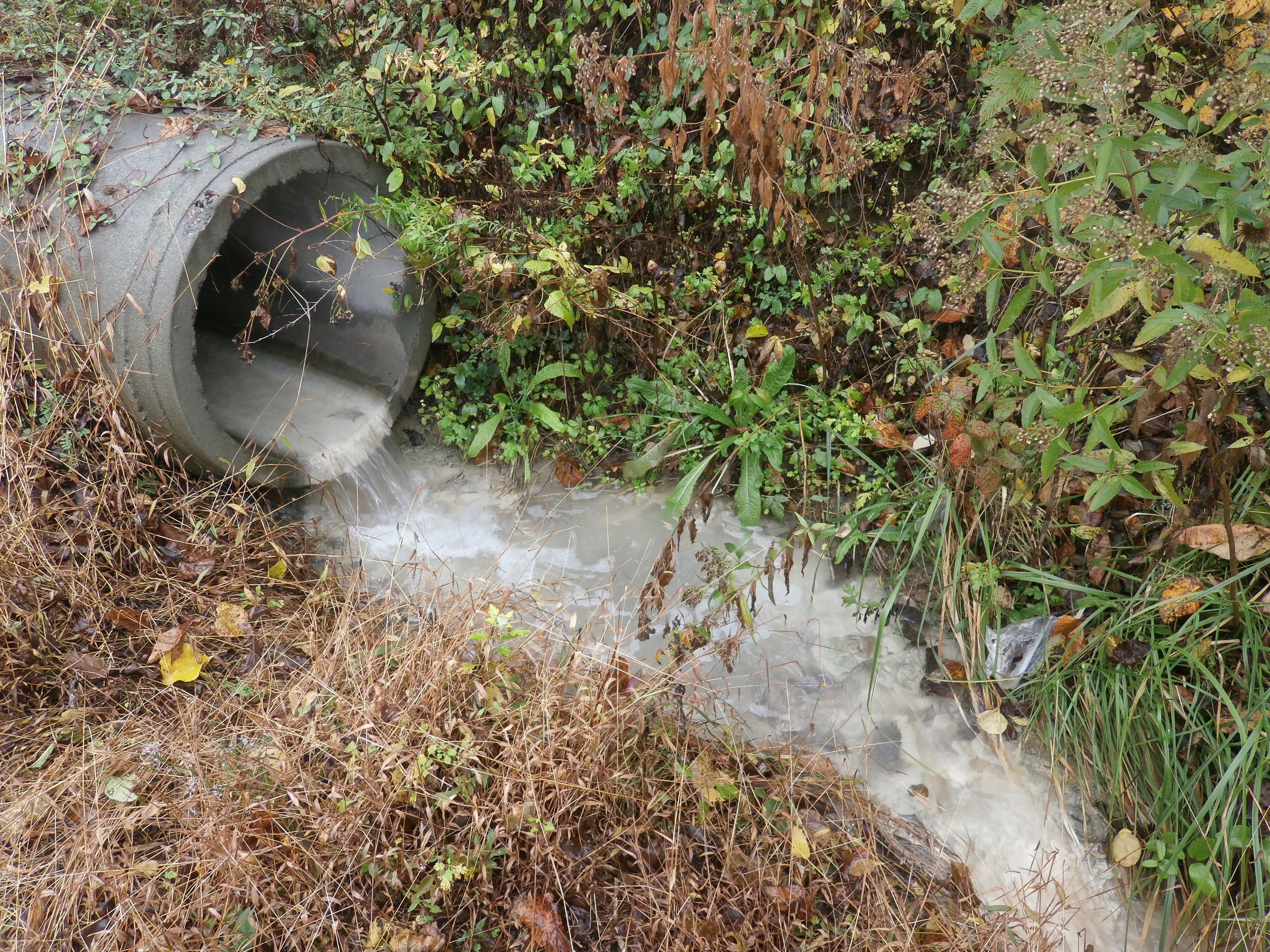
Which Facility Changes Trigger a PPC Plan Update Under PAG-03, What to Revise, and When DEP Needs to Hear About It
If your Pennsylvania facility just added a storage area, moved equipment, or changed how it operates, there's a good chance your PPC Plan is out of date. The PPC Plan is your Preparedness, Prevention, and Contingency Plan, the document that explains how your site keeps pollutants out of stormwater and what your people do when a spill or emergency happens. If you're covered under PAG-03, the Pennsylvania Department of Environmental Protection's (DEP) general permit for industrial stormwater, you have to review that plan at least once a year. You also have to update it sooner when your facility changes in a way that raises the chance of a release or changes your emergency response, when emergency coordinators or equipment change, when the plan fails in an emergency, when the permit or rules change, or when DEP tells you to in writing.
Below, we'll walk through which changes require an update, the small ones that get missed, how to update the plan step by step, and when a change also means notifying DEP, which is a separate step from updating the plan. We work with Pennsylvania facilities on their PPC Plans all the time, so if you'd rather hand this off, you can reach out to RMA at any point.
Table of Contents
TL;DR
PAG-03 requires you to review your PPC Plan at least once a year and update it whenever your facility changes in a way that raises the chance of a release or changes your emergency response. Updates are also required when emergency coordinators or equipment change, when the plan fails in an emergency, when the permit or rules change, or when DEP asks in writing. Updating the plan doesn't authorize anything new, so a new spot where stormwater leaves your property or a wastewater discharge the permit doesn't cover may also mean amending your coverage or getting a different permit.
What Is a PPC Plan, and How Often Does PAG-03 Require a Review?
A PPC Plan is the stormwater planning document for facilities covered under PAG-03. Most other states use a SWPPP (stormwater pollution prevention plan) for this job, but Pennsylvania uses the PPC Plan, and Part C of PAG-03 spells out what goes in it: a site map showing your structures, impervious surfaces, and the places stormwater leaves your property, the materials and activities that could contaminate runoff, the best management practices (BMPs, meaning the covers, berms, housekeeping habits, and other controls) that keep pollutants out of the water, and your spill response procedures. Our SWPPP versus PPC Plan comparison covers the differences.
The plan has to be reviewed at least once a year and updated if it no longer matches the facility. That annual review is the floor, and the permit also lists events that require an update whenever they happen. The current PAG-03 doesn't require a professional engineer to certify the plan. The current permit took effect on March 24, 2023 and runs five years. When it started, existing permittees had to submit their PPC Plan to DEP with a renewal Notice of Intent (NOI), the form used to get or keep coverage, so a current plan pays off at the next reissuance too.
This article covers facilities under PAG-03. If you operate under a No Exposure Certification or an individual NPDES permit, your obligations come from that approval, so read it first. Our guide to which Pennsylvania stormwater permit applies to your facility can help you sort out where you fall.
Which Facility Changes Require a PPC Plan Update?
PAG-03 gives you a standard instead of a list: update the plan when your facility's design, industrial process, operation, maintenance, or other circumstances change in a way that materially increases the potential for fires, explosions, or releases of toxic or hazardous constituents, or changes the response needed in an emergency. "Materially" leaves room for judgment, and the judgment is yours to make and defend. Our rule of thumb: if a change adds a pollutant source, moves an existing source closer to a drain or a path to water, or changes who does what when something goes wrong, you update the plan.
Beyond the yearly review, the permit names five situations that require an update.
| Trigger |
What it looks like at a real facility |
| DEP or federal rules change, or PAG-03 itself is revised |
A reissued permit adds monitoring or response requirements your plan's procedures don't reflect yet. |
| The plan fails in an emergency |
A spill reaches a storm drain because the spill kit was locked in a building or the procedure didn't match how the area is used. |
| Facility design, process, operation, or maintenance changes in a way that raises release risk or changes the emergency response |
A new chemical tank, new outdoor material storage, a new process line, a relocated fueling area, or a loading dock moved to the other side of the building. |
| The list of emergency coordinators or emergency equipment changes |
Your coordinator retires, a phone number changes, or spill kits are moved or restocked in new locations. |
| DEP notifies you in writing |
An inspection turns up gaps and DEP's follow-up letter directs you to revise the plan. |
The third row is where most real questions land, because it depends on your facts. A new tank inside secondary containment under a roof is a different situation from a new tank on an open pad that drains toward a ditch. Either way, ask whether the plan still describes this facility accurately and whether its controls cover what's there now. If you can't answer yes with confidence, update it.
Do Small Changes Like Emergency Contacts, Spill Equipment, and Drainage Count?
They do, and they're the ones that get missed. The permit names emergency coordinators and emergency equipment as update triggers on their own, with no need to show a change in release risk. A coordinator leaving the company, a new cell number, or a spill kit moved from the maintenance shop to the yard all call for an update. If a spill happens at the end of a shift and someone follows your plan to call a person who left three years ago, the plan has failed at the moment it was supposed to work.
Drainage changes are the other category people overlook, because they rarely feel like environmental events. Repaving part of the lot, regrading around a new building pad, redirecting a roof downspout, adding or blocking a catch basin, or a neighbor's new development sending water onto your site can all change where runoff travels and what it picks up. A storage area that sat safely downhill from every drain last year may now sit on a new flow path. Your site map was drawn for the old drainage, so it's wrong even though nothing in your operations changed.
Control changes belong here too. If your stormwater sampling keeps coming back above benchmark values and you add controls to fix it, those new BMPs belong in the plan, because a plan that describes last year's controls is easy for an inspector to catch.
How Do You Update a PPC Plan Step by Step?
Start outside, not at your desk. Take the current plan and site map and walk the property with someone who knows the daily operations.
Walk the Site and Compare It to the Plan
Check what's on paper against what's physically there: tanks and containers, material and waste storage, loading areas, fueling points, washdown areas, storm drains and catch basins, and every place water leaves your property. Do part of the walk during or right after a rain if you can, since water shows you flow paths a dry day hides. Your semiannual visual inspections are built around the areas your plan identifies as potential pollutant sources, so anything missing from the plan is probably missing from your inspections too. Our guide to doing a stormwater visual inspection the right way pairs well with this walk.
Work Through a Real Example: Moving Scrap Metal Storage
Say you moved your outdoor scrap metal pile closer to a storm drain. Changing its location on the map doesn't finish the job. You also have to ask whether rain can now carry oil, metals, or sediment from that scrap to the drain and whether your current controls (a cover, a berm, drain protection, a sweeping schedule) hold up at the new spot. If the answer is a cover and drain protection, those controls go in the plan, the inspection checklist gets a line for them, and the people working there learn what's expected. One physical change can touch four sections of the plan.
Once you know what changed, revise the sections it affects.
| Plan section |
What to check and revise |
| Site map |
Structures, storage areas, drains, flow paths, and where stormwater leaves the site. |
| Pollutant sources |
New materials, new activities, and sources that moved closer to a drain or flow path. |
| Preventive measures and BMPs |
Covers, containment, drain protection, housekeeping, and controls added after high sampling results. |
| Inspection procedures |
Areas on your checklist, who inspects, and what they look for. |
| Spill response and emergency contacts |
Steps for new materials or areas, current contacts, and where emergency equipment is now. |
| Employee training |
Who needs to hear about the change, including new hires and contractors. |
Our explainer on stormwater BMPs helps when you're choosing controls for a new situation, our article on stormwater training requirements covers the employee side, and RMA's online environmental training library is there if your people need a course.
When Does a PPC Plan Update Also Mean Notifying DEP or Amending PAG-03 Coverage?
Updating the plan doesn't authorize anything your permit doesn't already allow. PAG-03 coverage is tied to what you told DEP in your NOI: which outfalls your site has (an outfall is a point where stormwater leaves your property, such as a pipe, ditch, or swale), which industrial activities you carry out, and what you discharge. When a change alters that picture, the plan is only half the job. DEP's current permit materials list situations where a facility should submit an NOI to amend its coverage, including changes to existing outfalls, adding outfalls, and changes that alter the flow or characteristics of your stormwater, such as new run-on from an offsite source. The NOI goes to the DEP regional office for your county. Since triggers can turn on the details, check the current NOI instructions or ask us before assuming a change doesn't need one.
| Change |
Update the PPC Plan? |
Anything to tell DEP? |
| New emergency coordinator or relocated spill kits |
Yes |
No separate notice. Document it in your Annual Report. |
| New tank or storage area where drainage and outfalls stay the same |
Yes |
Often nothing beyond the plan, but confirm it doesn't change what your stormwater carries. |
| Paving, regrading, or piping that sends water off site at a new point |
Yes |
Likely an NOI to amend, since you've added or changed an outfall. |
| New run-on from a neighbor's property or an upstream development |
Yes |
Possibly an NOI to amend, because the flow or characteristics of your stormwater changed. |
| A new process wastewater discharge |
Yes |
PAG-03 doesn't cover it. You'll need separate authorization before it starts. |
That last row catches facilities off guard. PAG-03 covers stormwater from industrial activity plus a short list of allowed non-stormwater discharges, and it doesn't cover process wastewater. If a change means you'll start discharging wash water, cooling water, or other process water to the ground or a waterway, you may need a different permit altogether, and writing it into your PPC Plan won't make it legal. Sending it to a sewer is a different route with its own approvals from the local sewer authority. Our articles on the difference between stormwater and process water and on what you can discharge under a stormwater permit explain where the line sits.
What About Construction Work?
If your change involves building, expanding, or disturbing soil, construction-phase requirements come first. Pennsylvania's Chapter 102 rules require erosion and sediment control for earth disturbance, and larger disturbances (generally one acre or more) need construction stormwater permit coverage, plus whatever your township or conservation district requires. RMA doesn't prepare construction-phase permits or approvals, so that piece usually goes to your engineer, contractor, or a soil erosion specialist. We can help you figure out what the construction phase is likely to need and point you to the right professionals. Once the project is running, we pick up the operational side: your PPC Plan, your site map, and whether your PAG-03 coverage needs an amendment.
How Should You Document PPC Plan Updates and Keep Them On Site?
PAG-03 asks for three things after an update: keep the updated plan on site, make the updates available to DEP on request, and document the updates in your Annual Report. The Annual Report has been due March 23 each year since 2024, so your changes should already be written down when you fill it out.
Keep a revision log at the front of the plan with the date, what changed, why, which sections you revised, and who approved it. Add an entry when you review the plan and find nothing to change, with a note on what you checked. If an inspector asks whether you evaluated the new storage area, a dated entry saying you did, and why the existing controls were adequate, is a far better answer than a blank page.
Then tell the people affected. A revised plan sitting in a binder nobody opens doesn't change what happens during a spill, so walk the relevant employees through any update to procedures or equipment locations and note that you did. A DEP inspector can compare your plan to the site and to what employees say they would do, and gaps among those three are where findings come from.
When Should You Review Your PPC Plan Before Making Facility Changes?
Before the change happens, not after. It's far easier to decide where a new tank goes with the site map and drainage in front of you than to discover afterward that the only open spot sits beside a catch basin. Facilities that stay current make a PPC Plan check a line item on any project checklist that touches layout, materials, processes, or drainage. That five-minute question costs almost nothing next to relocating a storage area or reopening your permit coverage.
Put the annual review on the calendar ahead of the March 23 Annual Report, and check emergency contacts and equipment locations more often than once a year. Roles and phone numbers change constantly. For the rest of what PAG-03 asks of you, our guide to the PAG-03 stormwater permit in Pennsylvania covers the surrounding requirements.
How Does RMA Help With PPC Plan Updates for Pennsylvania Facilities?
You can absolutely update your PPC Plan yourself if you know your facility well and you've read the permit, and our article on doing PAG-03 work yourself versus hiring a consultant lays out where that makes sense. When you'd like a second set of eyes, we can review what's changed at your site, update your PPC Plan and site map, and work out whether you also need to notify DEP or amend your coverage, so your paperwork, your pollution controls, and your day-to-day operations all say the same thing.
There's no obligation in asking. You can call us, email us, or fill out the form on our website, tell us what changed, and we'll tell you straight whether it needs an update, a DEP filing, or nothing at all. Contact RMA whenever it suits you, and browse our Pennsylvania NPDES and stormwater resources and broader NPDES permitting resources any time.