Why That $1,000 Phase I Can Lead to a $50,000 (or More) Surprise!
If you’re reading this, you’re probably already asking the right questions.
Maybe you’ve gotten a few Phase I Environmental Site Assessment quotes and they’re all over the place. One firm wants $12,000. Another is closer to $5,000. And then there’s the $1,000 option that makes you stop and wonder how this can possibly be the same service.
You’re not wrong to be suspicious.
Most people sense that the cheapest Phase I comes with some risk. Some even have a pretty good idea of what that risk might be. And they’re right. There is risk in going cheap.
What most buyers don’t realize is that there are two very different ways that risk can show up. Almost everyone knows about the obvious one. Very few people are warned about the other.
That’s why we’re being candid here.
In this article, we’ll walk through both sides of the risk behind cheap Phase I reports. Not just how a bad Phase I can fail you later, but how it can quietly push you into a $25,000 to $100,000+ add-on before you ever make it to the closing table.
Once you understand how this actually plays out, those wildly different quotes start to make a lot more sense. And if you want to talk to an expert about getting a solid Phase I, you can always reach out to us here. Okay, let's dive in.
Table of Contents
The First Risk Most People Know About: A Bad Phase I That Fails You Later
Let’s start with the risk most buyers probably already have in mind. This is the one most people usually picture when they worry about hiring the cheapest Phase I consultant. And to be clear, this concern is valid!
You hire the low-cost firm. A junior staffer rushes through the site, checks some boxes, pulls a few records, and turns the report around quickly. You close on the property, feeling like you cleared the environmental hurdle.
Then, months or years later, contamination is discovered.
Now you try to rely on that Phase I to protect yourself. You attempt to push liability back onto the previous owner or seek protection through regulatory or legal channels. Lawyers get involved. Regulators start asking questions.
And suddenly, that Phase I is under a microscope. Who actually performed the site visit? What did they look at? What did they miss? Why wasn’t this addressed more clearly?
Your consultant gets dragged into it. You get dragged into it. The report is dissected line by line by attorneys, and the cracks begin to show. Corners were cut. Judgment calls weren’t documented. Obvious red flags were glossed over.
And in the end, the Phase I doesn’t hold up, and you’re left holding the cleanup bill. That scenario absolutely happens. It’s a very real risk of a cheap Phase I, and it can be financially devastating. But it’s only one side of the risk.
The Risk Most People Don’t Expect: Getting Forced Into a Phase II Before You Ever Close
What we see far more often happens much earlier in the process, before a property ever changes hands.
Instead of missing contamination outright, a cheap Phase I frequently fails to confidently rule it out. The report is rushed, conservative, and ultimately doesn’t give lenders or attorneys what they need most: clear, defensible conclusions.
When that happens, uncertainty creeps in, and uncertainty is what almost always leads to a Phase II. And a Phase II might run you $25,000 to $100,000+ right out of the gate, before you've even made it to the closing table.
There are two common ways this unfolds.
Scenario One: The Phase I Is Rushed and No One Makes Definitive Calls
In many cases, this happens without bad intentions.
A firm prices Phase I work aggressively, assigns it to junior staff, and pushes for fast turnaround. These are often people with limited field experience, tight deadlines, and very little time to slow down and really think through what they’re seeing.
When they run into anything even slightly unclear - old land uses that are hard to interpret, incomplete records, adjacent properties with environmental histories - they do the safest thing for themselves and for their firm. They stop short of making a definitive call.
Not because they believe there’s contamination, but because they’re not confident enough to say there isn’t.
The result is a Phase I that technically meets requirements but avoids firm conclusions. From the consultant’s perspective, they’ve fulfilled their end of the deal and reduced their own risk. But from the buyer’s perspective, the report creates uncertainty that didn’t need to exist.
Once that uncertainty is documented, lenders almost always respond the same way: they require a Phase II to clear it up.
Scenario Two: The Dirty Secret - Phase II Reports Pay the Bills
This is the part most firms will never say out loud: some consultants offer Phase I reports at prices that just don’t make sense if the Phase I is supposed to stand on its own. There’s no realistic way to do careful, experienced work for $1,000 and still make money.
So how do they do it? They treat the Phase I as a way in to more work, not the actual product.
In this setup, the Phase I is rushed and priced low because the firm knows that a lot of those reports will end up leading to Phase II work. And Phase II work is where things get expensive (like tens of thousands of dollars), and where firms actually make their money.
Once a Phase II is mentioned in writing, most buyers don’t have the luxury of shopping around anymore. Lenders see it and say it’s required. Deals stall until it’s done. And suddenly you’re forced into spending tens of thousands of dollars, often with the same firm that wrote the Phase I in the first place.
Is it a slimy business practice? We think so. Does it happen all the time? Also yes.
Now, whether this is done intentionally or just baked into how the firm operates, the result is the same. The Phase I is written carefully enough to protect the consultant, but not clearly enough to protect the deal, and so a Phase II is recommended to clear up uncertainty.
And once that happens, the buyer is the one left dealing with the cost and the pressure to move forward.
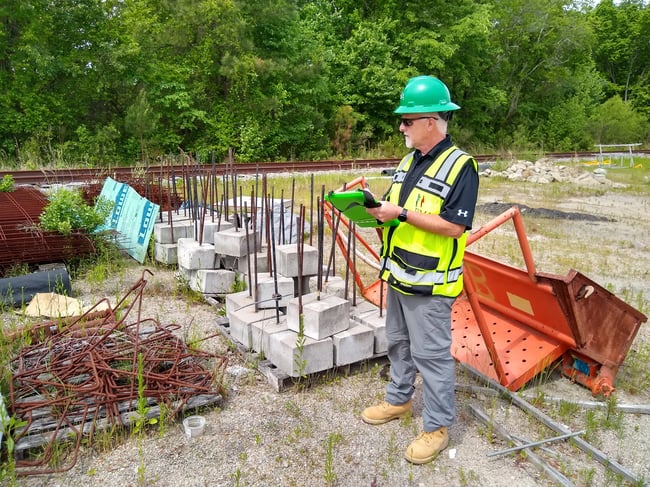
What Actually Happens Once a Phase II Is Suggested
This is the point where many buyers feel like the ground shifts under their feet.
Once a Phase II investigation is recommended, the conversation changes quickly. What started as a relatively inexpensive due diligence step suddenly turns into a major decision with real financial and timing implications.
For lenders, a Phase II is no longer optional once it’s suggested. They’ve seen the uncertainty documented, and they’re not going to fund a deal until it’s resolved. From their perspective, requiring additional investigation is the safest move.
For buyers, that means choices narrow fast.
You can pay for that $45,000 Phase II and hope it comes back clean. You can try to renegotiate with the seller, who may or may not be willing to play along. Or you can walk away from the deal entirely after spending time and money you won’t get back on the bogus Phase I.
Once a Phase II is recommended, it’s very hard to put that genie back in the bottle. You can’t easily ignore it, and even starting over with a different consultant doesn’t erase what’s already been documented.
Even if contamination is never found, the Phase II still costs real money. Soil sampling, groundwater testing, lab analysis, and reporting add up quickly, often into the tens of thousands of dollars.
This is why so many people feel blindsided. They didn’t budget for a Phase II. They didn’t expect the Phase I itself to be the trigger. And by the time the recommendation appears, the leverage they thought they had is usually gone.
And this is why a $1,000 Phase I so often ends up being the most expensive shortcut in the entire transaction.
Okay, Then How Much Should a Phase I Cost?
This is usually the next question we get, and it’s a fair one.
In the real world, a solid, defensible Phase I Environmental Site Assessment typically costs somewhere between $3,500 and $15,000. Where you land in that range depends on things like the size of the property, its history, the surrounding area, and how complex the site actually is.
If that range feels wide, that’s because Phase I work isn’t one-size-fits-all. A small, straightforward plot of undeveloped land should not cost the same as a large, complicated property with decades of prior heavy industrial use.
That’s exactly why we built our Phase I pricing calculator.
Instead of guessing or waiting for a proposal, you can use the calculator below to get a realistic ballpark for what a defensible Phase I from RMA would actually cost for your deal.
Don’t worry, the calculator doesn’t store your answers, it takes just a few minutes, and you’ll get your results right on this page. We don’t send the estimate to your email, and we don’t even ask for your email unless you decide you want to talk with us after seeing your number. Try it below.
If you just completed the calculator above, that estimate represents what it typically costs to get a thorough, lender-ready Phase I from RMA. One that’s designed to protect your deal and not push you into a Phase II unless there’s a real, defensible reason to do so.
And if you want a firm, final number, you can enter your email on the last screen and submit your details. We’ll follow up, walk through the specifics of your site, and confirm pricing with no pressure and no surprises.
That way you can make an informed decision before spending a dollar, instead of finding out the hard way later.
The Real Cost Comparison Table
|
|
Cheap / Bad Phase I
|
Good, Defensible Phase I
|
Phase II Investigation
|
|
Typical Cost
|
~$1,000-$2,500
|
~$3,500–$15,000
|
$25,000–$100,000+
(in addition to Phase I costs)
|
|
Who Usually Does the Work
|
Junior staff or subcontractors, often rushed
|
Experienced environmental professionals
|
Senior staff, drillers, labs, multiple moving parts
|
|
Time Spent on Your Site
|
Minimal, sometimes just a quick walkthrough
|
Thorough site visit with real attention to detail
|
Often multiple site visits over weeks or months
|
|
Level of Analysis
|
Box-checking, cautious, vague
|
Thoughtful, detailed, and site-specific
|
Highly detailed sampling and lab analysis
|
|
Quality of Conclusions
|
Non-committal, lots of “may be” and “potential”
|
Clear, confident, defensible
|
Very definitive, but at a high cost
|
|
Risk of Being Forced into Phase II
|
Higher
|
Lower
|
N/A (you're already there)
|
|
Protection if Issues Are Found Later
|
Weak and easily challenged
|
Strong and defensible
|
N/A (this is investigation, not protection)
|
|
Impact on Your Deal
|
Can stall or kill it unexpectedly
|
Keeps things moving smoothly
|
Often delays closing significantly
|
The Difference Between a Cheap Phase I and a Good Phase I Report
If someone is charging one-fifth the normal rate, something’s getting skipped. Usually, it’s several “somethings”, such as:
- Incomplete historical research
A proper Phase I ESA looks deep into the property’s history - aerial photos, fire insurance maps, city directories, and records going back decades.
Cheap firms often stop after one or two quick checks. We’ve seen cases where that shortcut meant missing a former dry cleaner, gas station, or industrial site - all of which could carry major environmental risk.
- Little to no site inspection
We’ve reviewed “site visit” photos clearly pulled from Google Street View. No one actually visited the property. No one spoke to the owner. No one checked the grounds for vent pipes, staining, or fill areas.
At RMA, our field staff are experienced environmental professionals, not interns with a camera. We walk every property ourselves because the details you can only see in person often make all the difference.
- Database dumps without interpretation
Low-cost firms rely on automated database summaries with no analysis. A seasoned consultant knows how to interpret those records - whether a “leaking tank” next door is an actual threat or a non-issue.
Our team evaluates every data point with professional judgment, not guesswork.
- No real conclusions
Cheap Phase I reports often use vague language like “potential concern” or “recommend further investigation.” That’s not an opinion - that’s a sales funnel.
Our reports contain clear, defensible conclusions backed by evidence. When we identify risk, it’s because it’s real. When we say a site is low-risk, you can count on it.

What a Real Phase I ESA Should Actually Give You (and How to Get One)!
At the end of the day, a Phase I Environmental Site Assessment should give you confidence. Confidence that your lender won’t come back with surprises. Confidence that you’re not being pushed toward an unnecessary Phase II. And confidence that if something does surface later, your Phase I will actually hold up.
That’s how we approach Phase I work at RMA.
A real Phase I is built on thorough historical research done by people who know how to interpret what they’re seeing, not just pull records. It includes a hands-on site visit by experienced environmental professionals who take the time to walk the property and notice what matters. It involves real analysis of regulatory records and databases, not just data dumps. And most importantly, it delivers clear, defensible conclusions that protect your deal and your liability.
That clarity is what keeps transactions moving and prevents expensive surprises. When a Phase I is rushed or written defensively, uncertainty creeps in, and uncertainty is what leads to $25,000 to $100,000 Phase II investigations before a deal ever closes.
That’s why extremely cheap Phase I reports so often end up costing far more than people expect.
At RMA, we don’t underprice Phase I work with the hope that it turns into something bigger later. If a Phase II is genuinely needed, we’ll tell you clearly and explain exactly why. If it’s not, we won’t pretend it is.
Our job is simple: protect your deal, protect your liability, and give you a Phase I you and your lender can trust.
If you’re ready to get your Phase I done the right way, contact RMA. No gimmicks. No upsells. Just solid environmental work that does what it’s supposed to do.