What Property Sellers Need to Know Before Environmental Diligence Ruins Their Deal
If you’re selling a property, you’ve probably thought something like this before: “Environmental shouldn’t be a big deal here. Nothing bad ever happened.” Most sellers feel that way, especially if the property has been stable for years and there’s never been some big obvious spill or enforcement action.
Then the buyer orders a Phase I Environmental Site Assessment. A consultant shows up. Questions start coming in. Old records get requested. And suddenly the deal feels heavier than it did a week ago. What felt routine starts dragging out, and everyone gets a little tense.
We work with sellers in active transactions all the time, and here’s what we’ve learned: most Phase I friction isn’t caused by contamination. It’s caused by uncertainty, small missteps, and preventable mistakes that quietly cost you leverage. If you’re thinking about selling, or you’re already in a deal and the buyer’s consultant is asking questions, it’s worth understanding how this process really works. Or to talk it through with a human, reach out to us here!
Table of Contents
Mistake #1: Treating the Phase I Like a High-Stakes Inspection
A Phase I isn’t an enforcement visit. It isn’t OSHA walking in. It isn’t a regulator looking for violations. It’s a risk evaluation for the buyer. But sellers often approach it like they’re being audited, and that mindset changes how they respond.
We see sellers get guarded, give short answers, or avoid going into detail because they don’t want to “say the wrong thing.” From their side, that feels cautious. From the buyer’s side, it feels uncomfortable. When information feels restricted or tense, buyers start assuming there’s more beneath the surface.
The tone of the interaction matters more than most people realize. A cooperative, organized approach keeps the process moving. A defensive tone tends to create follow-up questions that stretch timelines.
Mistake #2: Saying “We’ve Never Had a Problem Here”
This is probably the most common phrase we hear from sellers. It’s understandable. If you haven’t personally dealt with a spill or enforcement issue, you genuinely believe there’s nothing to worry about.
The thing is, though, the Phase I consultant isn’t asking what you remember. They’re trying to understand how the property was used over time, what materials were stored there, and whether there’s documentation that supports that history. When the only answer is “we’ve never had a problem,” it doesn’t close the loop. In fact it usually just opens more questions.
Buyers feel more comfortable when there are records, permits, closure letters, or other documents that tell the story. Even simple documentation goes a long way toward keeping things steady and your deal moving forward.
Mistake #3: Not Knowing the Property’s Environmental History
Some properties have long histories. Tanks get installed and removed. Tenants change. Operations evolve. A spill might have happened 25 years ago and been cleaned up properly, but no one currently on staff remembers the details.
During a Phase I, consultants interview people who know the site. When answers vary depending on who’s speaking, buyers see inconsistency. Or worse, the answer from everyone is "uhh I'm sort of new here, I'm not sure what happened back in the '60s"... that's a bad look. That inconsistency creates doubt, and doubt slows down deals. So do your homework!
Taking time before listing to gather old reports, tank records, and regulatory correspondence can prevent a lot of scrambling later. It gives everyone a shared understanding of what actually happened and what didn’t.
Mistake #4: Letting Housekeeping Slide Before the Site Walk
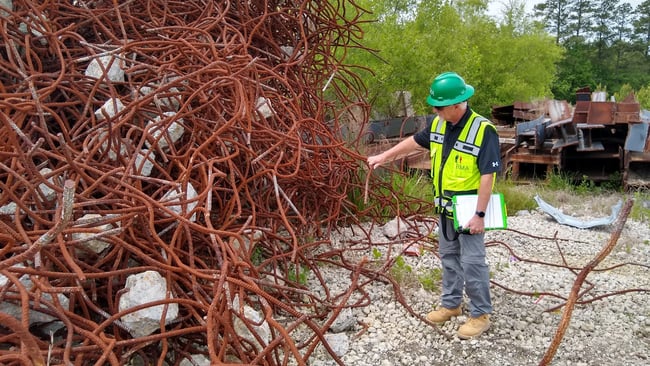
Site observations are a big part of a Phase I. The consultant walks the property, takes photos, and documents what they see. Stained pavement, unlabeled containers, abandoned drums, or cluttered storage areas often lead to extra scrutiny.
Those things don’t automatically mean contamination. Still, they raise questions. When something looks disorganized, the consultant has to ask about it, and those questions end up in the report. So clean up ahead of time! Really, a little elbow grease in the yard before the buyer's consultant shows up can make a big difference.
Full stop: simple housekeeping improvements before the visit can reduce unnecessary attention, and that's the name of the game. Labeling containers, cleaning up outdoor storage areas, and removing unused materials help present the property in a way that supports the story you’re telling. There is no reason not to tidy up your site before a Phase I.
Mistake #5: Oversharing and Creating Confusion
Some sellers go in the opposite direction and share everything all at once without explanation. Old reports get handed over with no summary. Past issues are mentioned casually without context. Speculation gets mixed in with facts. Yikes!
Don't volunteer information that nobody is asking for, especially if it's not organized! When information isn’t organized, buyers struggle to interpret it. That confusion often leads to additional document requests and extended review periods. What could have been straightforward becomes layered and slow.
Information works best when it’s organized and framed properly. A simple explanation of what happened, how it was resolved, and what documentation exists keeps the process grounded and manageable.
Mistake #6: Letting Too Many (or the Wrong) People Talk
During interviews, buyer's consultants will ask employees questions about operations and site history. Well-meaning staff sometimes answer outside their area of knowledge, and those offhand comments can end up documented in the report.
One employee might guess about a former tank location. Another might mention something they heard years ago. A simple comment like "yeah that stain has always been there" can end up in a report that lenders will see. Now, those statements obviously aren’t malicious. They’re human. But once they’re written down, they become items the buyer expects to be investigated.
Choosing one or two informed points of contact and preparing them ahead of time creates consistency. It keeps the conversation grounded in documented facts rather than workplace lore.
Mistake #7: Waiting for the Buyer to Find Missing Documents
Paperwork, paperwork, paperwork. It's one of the main things your buyer's consultant will focus on. And all of those pesky missing permits, incomplete tank closure records, or gaps in environmental files will surface during your Phase I. When the buyer’s consultant identifies those gaps first, it shifts leverage.
Even small administrative holes can feel larger in the middle of a transaction. Buyers may assume the issue is bigger than it is simply because it surfaced unexpectedly. Or worse, they might think you're trying to hide something. Not a good look!
Collecting, reviewing, and organizing your files before listing gives you the chance to track down missing documents (or at least understand where the gaps are). That preparation helps you provide what's needed, file away what isn't, and respond calmly to requests instead of reacting nervously under pressure.
Mistake #8: Panicking Over a REC
Hearing the phrase “recognized environmental condition,” or "REC", can make sellers anxious. It sounds serious. It feels like a turning point in the deal. "You mean they found contamination??". Not so fast.
Many RECs are based on historical uses or incomplete documentation. Some can be addressed with additional records or regulatory correspondence. And that can be that. When sellers respond thoughtfully and quickly, buyers often feel comfortable moving forward without escalating to a Phase II.
Work to find a solution to a REC if one is identified. Don't panic and resign yourself to the possibility of a Phase II ESA! Staying steady and organized during this stage protects your momentum. Emotional reactions tend to create tension that didn’t need to be there in the first place.
Mistake #9: Bringing Advisors In Too Late
Environmental diligence intersects with legal, financial, and operational decisions. Waiting until a concern appears often means you’re making decisions under time pressure. Your buyer has a whole environmental team behind the deal... shouldn't you? Psst - this is where we come in!
That's right, it's becoming more common for sellers to hire their own consultants to navigate the Phase I process during transactions. Why? Because when sellers involve environmental advisors (like us!) earlier, they can anticipate likely questions and red flags, and either work to fix them ahead of time or prepare responses in advance.
And that's exactly what we do here at RMA. When you hire us as a part of your team, we'll help you prepare the right way and guide you through the entire Phase I process (more on how that works shortly). That preparation helps the transaction stay predictable instead of reactive. Planning ahead with an expert almost always preserves negotiating power and shortens the time between listing and closing. Simple as that!
Mistake #10: Forgetting That Perception Shapes the Deal
Oh boy, time to take a look in the mirror. The truth is this: buyers evaluate more than soil and groundwater risk during a Phase I ESA. They’re evaluating the overall risk profile of the whole transaction. Organization, responsiveness, and consistency all influence how safe the deal feels. Put simply: they're evaluating you!
How easy are you to work with? What kind of ship do you run? How do you respond to questions? Are you organized? Respectful and polite? It matters more than you think! When documentation is easy to access and answers are steady and informed, buyers gain confidence.
That confidence supports pricing and timeline stability. Disorganization or mixed messaging tends to create friction. Environmental diligence is as much about how you make the buyer feel about the deal as a whole as it is about what happened historically from an environmental standpoint.
The Seller Takeaway: How to Prepare the Right Way to Protect Your Leverage
Most Phase I slowdowns come from uncertainty, gaps in paperwork, messy site conditions, or answers that don’t line up. When that happens, buyers get nervous, their consultant has to document the concerns, and the deal starts feeling heavier. That’s usually when timelines stretch, price conversations pop up again, and you lose some control over how the story gets told.
That’s why we tell sellers to treat the buyer’s Phase I like a real part of the deal team process, right up there with your broker and your attorney. Buyers usually have someone in their corner reviewing risk and protecting them. Their environmental consultant is basically that person for the environmental side. Having your own environmental pro on your side often makes the whole thing smoother, faster, and way less stressful.
Here’s what we do at RMA when a seller wants to get ahead of Phase I. First, we’ll come out to your site and do a “mock Phase I” walk-through, kind of like we’re the buyer’s consultant. We’ll look at the stuff that tends to trigger questions, take notes, and flag anything that could get written up in a Phase I report. Then we’ll sit down with you and go through what we found in plain English, so you know what’s worth fixing and what’s probably a non-issue.
If the site needs a little cleanup, we’ll help you get it handled. That might mean labeling containers, cleaning up outdoor storage, organizing waste areas, tracking down old tank paperwork, or pulling permits and closure letters that are buried in someone’s file cabinet. If we find a compliance gap that could become a buyer concern, we’ll talk through realistic options so you can decide what to address now and what to be ready to explain during the buyer’s review.
We also help you get your documentation in order so you’re not scrambling when the buyer asks for it. We’ll review what you already have, sort through what’s current and what’s outdated, and organize everything so it’s easy to follow. If permits or approvals are missing, we can pull records from state databases, track down agency correspondence, and even file applications or updates if something needs to be brought up to date. The goal is to hand the buyer exactly what they’re looking for in a clean, organized package so the process feels controlled and professional instead of reactive and rushed.
Once the buyer’s Phase I officially starts, we're still on your side. We become part of your transaction team and help you manage the process. That includes helping you prep the right point people, getting your documents organized, answering the buyer’s consultant questions with you, and responding to concerns in a way that keeps the deal moving. The goal is simple: fewer surprises, fewer awkward “uhh… I’m not sure” moments, and fewer chances for the buyer to use environmental uncertainty as a bargaining chip.
If you’re selling a property and you want someone in your corner who knows how these Phase I’s really play out, we can help. Reach out to RMA here and we’ll talk through your timeline, your site, and what it’ll take to make the buyer’s environmental diligence go as smoothly as possible.