Understanding What’s In (and Not In) Your Phase I Environmental Site Assessment
If you’ve ever been involved in buying, selling, or refinancing commercial or industrial property, you’ve probably heard of a Phase I Environmental Site Assessment, often shortened to Phase I ESA. Most people know a Phase I ESA as the “environmental due diligence” step - the report that tells you whether a property might be contaminated and whether you could be liable for cleanup.
But one question we hear all the time at RMA is: “Does a Phase I ESA include an environmental compliance audit or review?” In short, no, it doesn’t. But that’s not the whole story.
So, let’s break down what a Phase I ESA actually covers, what it doesn’t, how environmental compliance fits into the bigger picture, and what you should be doing if you need to understand both contamination risk and regulatory compliance at a site. Or if you'd rather talk it through with a real human, just reach out here!
Table of Contents
First, What Is a Phase I Environmental Site Assessment (ESA)?
A Phase I ESA is a formal, standardized environmental report performed in accordance with the ASTM E1527 standard - most recently updated to E1527-21.
Its purpose is to identify Recognized Environmental Conditions, or RECs (basically, signs that there may be contamination on a property from the past or present use of hazardous substances or petroleum products).
It’s a critical step in the due diligence process when purchasing or financing property, because it helps establish legal protections for the buyer under the federal Comprehensive Environmental Response, Compensation, and Liability Act (CERCLA), better known as the Superfund law.
In other words, a Phase I ESA is designed to answer one primary question: “Is there any evidence that the property is contaminated, or could be contaminated, due to current or historical activities?”. That’s it.
The assessment typically includes:
- A review of historical records (aerial photos, topographic maps, directories, etc.)
- A regulatory database search for known environmental sites nearby
- A site reconnaissance or walkthrough
- Interviews with owners, occupants, or local officials
- And a final written report summarizing findings
What it does not include are samples, testing, or regulatory audits, unless the Phase I uncovers something that triggers a need for further investigation (which would then become a Phase II ESA).
The Big Distinction: Contamination Risk vs. Regulatory Compliance
This is where a lot of confusion comes in. A Phase I ESA looks for contamination risks, not whether a facility is following all environmental laws and permit conditions.
An environmental compliance audit, on the other hand, is an entirely different type of assessment. It evaluates whether a facility is operating in accordance with applicable regulations like:
- The Clean Air Act (CAA)
- The Clean Water Act (CWA)
- The Resource Conservation and Recovery Act (RCRA) for hazardous waste
- The Emergency Planning and Community Right-to-Know Act (EPCRA)
- And state-specific programs governing things like stormwater, spill prevention, or waste storage
So while a Phase I ESA might tell you, “There used to be a dry cleaner here, and there could be soil contamination,”
a compliance audit tells you, “Your current operations are missing required permits, your waste manifests aren’t being maintained properly, and your stormwater plan is out of date.”
Two totally different goals - both important, but not the same thing.
Why a Phase I ESA Does Not Include Compliance Review
The reason a Phase I ESA doesn’t include a compliance review is simple: the ASTM standard doesn’t call for it.
ASTM E1527 is narrowly focused on potential site contamination and liability under CERCLA - not ongoing regulatory compliance. Compliance with environmental laws (like stormwater permitting, air emissions, or hazardous waste handling) falls outside the CERCLA liability protections that a Phase I is designed to address.
That’s not to say those issues don’t matter - they definitely do. But they’re considered operational rather than property-based risks. Think of it like this:
- A Phase I ESA looks backward - asking, “What happened here in the past that could cause contamination today?”
- A compliance audit looks forward - asking, “Is the facility currently following the environmental rules it’s subject to right now?”
Why the Confusion Happens Between Phase I ESAs & Audits
A lot of people assume “environmental” means “everything environmental.” But environmental due diligence and environmental compliance are two completely different disciplines. Part of the confusion comes from how Phase I reports are used. Banks, investors, and buyers rely on them for decision-making, so it’s natural to assume they cover all environmental risk...but they don’t.
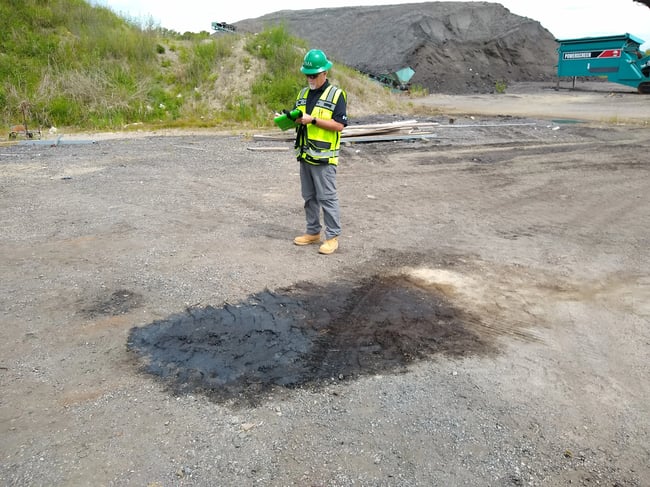
In some cases, consultants include brief comments on visible compliance issues during a Phase I site visit - for example, noting a leaking drum, an unlabeled container, or an empty spill kit. But those observations are incidental, not comprehensive. The consultant isn’t reviewing permits, records, or regulatory filings - just noting obvious red flags that could tie back to contamination.
If you need to know whether the facility complies with environmental laws or permits, you need a separate compliance review or audit.
So What Does a Compliance Audit Include?
A full environmental compliance audit typically evaluates:
- Required environmental permits and plans (like stormwater, SPCC, or air permits)
- Recordkeeping and reporting obligations (like Tier II, TRI, or hazardous waste manifests)
- Facility operations and maintenance practices
- Waste handling, labeling, and storage
- Spill prevention and emergency response procedures
- Employee training records and documentation
The goal is to identify where you may be out of compliance and provide a roadmap for correcting those issues before regulators come knocking.
Unlike a Phase I ESA, which is largely “desktop” in nature, a compliance audit dives deep into operational details, by walking through the site, reviewing documentation, interviewing staff, and comparing what’s happening on the ground against legal requirements.
Why Both Phase I ESAs and Audits Matter During Transactions or Ownership Changes
If you’re buying or refinancing a property, the Phase I ESA is almost always required by lenders. It protects you from liability for past contamination that you didn’t cause. But what many buyers overlook is that once you own the property, you’re responsible for compliance moving forward.
If you buy a site with ongoing operations - for example, a manufacturing plant or trucking terminal - and that facility is out of compliance, you inherit those problems. Regulators don’t care that the violations started under a previous owner.
That’s why many sophisticated buyers pair a Phase I ESA with a limited compliance review or regulatory audit before closing. That combination gives you the full picture:
- The Phase I identifies potential contamination liabilities.
- The compliance audit identifies potential regulatory or enforcement risks.
Together, they help you understand both the historical and current environmental conditions of the site, so you can make informed decisions, negotiate appropriately, and plan for corrective actions if needed.
A Real-World Example of a Phase I & Audit Working Together
We recently worked with a client purchasing a regional manufacturing facility. The Phase I ESA showed no major contamination concerns... good news! But the client also asked RMA to conduct a compliance audit before closing.
That audit revealed that the facility’s stormwater permit had expired, the SPCC plan was outdated, and they were missing required Tier II chemical inventory reports. None of those issues showed up in the Phase I report - because they weren’t part of the scope.
By catching them early, the buyer was able to negotiate responsibility for bringing the facility back into compliance, saving thousands of dollars and avoiding potential violations after the sale.
How to Get Phase I ESA & Environmental Audit Help
A Phase I Environmental Site Assessment is a critical part of real estate due diligence, but it’s not a catch-all. It identifies potential contamination risks, not regulatory compliance issues.
If you need to know whether a property might be contaminated, get a Phase I ESA. If you need to know whether a facility is operating in compliance with environmental laws, get a compliance audit. And if you’re buying, selling, or operating a complex industrial site - you probably need both.
At RMA, we’ve helped hundreds of clients with both Phase I ESAs and compliance audits, often as part of a broader environmental due diligence strategy. We know how to bridge the gap between property risk and operational risk - so you can protect your investment from all sides.
If you’re unsure which type of assessment your project needs, we can help you figure it out.
Reach out to our team today here, and let’s make sure you get the right information - and the right protection - for your next project.