A Practical Guide to How Soil and Fill Materials Are Classified, Regulated, and Managed Under NJDEP's Soil and Fill Recycling Program
If you've spent any time in New Jersey's construction, demolition, or recycling world, you've probably heard the term "dirty dirt." And if you're like most people, your first reaction was something along the lines of "isn't all dirt dirty?" The phrase is confusing because it sounds redundant. It is redundant!
But in New Jersey, "dirty dirt" isn't a casual description of muddy soil. It's a nickname for a specific category of material that triggers serious regulatory obligations under NJDEP's Soil and Fill Recycling Program. What you have in that pile, what's mixed into it, where it came from, and where it's going can all determine whether you're looking at a simple reuse situation or a complex compliance problem.
This guide breaks down exactly what "dirty dirt" means in New Jersey, how different types of soil and fill materials are classified, what the regulatory process looks like, and what can go wrong when people get it wrong. If you're working with soil, fill, demolition debris, or excavated material in New Jersey and you need help figuring out where you stand, reach out to RMA. We help contractors, developers, recycling facilities, and property owners navigate this program every day.
Table of Contents
TL;DR
"Dirty dirt" is a nickname for soil and fill materials generated from construction, demolition, excavation, or redevelopment activities in New Jersey. If your material came from one of those activities and you're moving or reusing it, it's probably regulated regardless of what it looks like. The source, what's mixed in, where it's going, and whether the receiving party has the right approvals all determine how it has to be handled. Getting it wrong can expose everyone in the chain, from the generator to the hauler to the facility accepting the load.
"Dirty Dirt" Is a Nickname, Not a Regulatory Term
Let's start with something important: NJDEP doesn't actually use the phrase "dirty dirt" anywhere in its regulations. That's a nickname that developed in the industry over time, and it stuck because the actual regulatory term is a mouthful. The official regulatory category is called "soil and fill recyclable materials," and it's governed under New Jersey's Soil and Fill Recycling Program. The program was created largely in response to documented problems with illegal dumping and the improper reuse of potentially contaminated fill materials across the state. The nickname "dirty dirt" grew out of that context, referring to fill material that's not clean, not virgin, and not straightforward to reuse without scrutiny.
So when someone in New Jersey says they're dealing with "dirty dirt," what they usually mean is soil or fill material that falls under the Soil and Fill Recycling Program and requires documentation, testing, approvals, or some combination of all three before it can be moved, reused, recycled, or disposed of. Understanding that this is a regulatory program with specific material definitions is the first step to making sense of how this all works.
The Official NJDEP Definition: Soil and Fill Recyclable Materials
Here's the actual NJDEP definition you need to know. "Soil and fill recyclable materials" are defined as non-putrescible aggregate substitute, including but not limited to: broken or crushed brick, block, concrete, or other similar manufactured materials; and soil, or soil that may contain aggregate substitute or other debris or material, generated from land clearing, excavation, demolition, or redevelopment activities that would otherwise be managed as solid waste, and that may be returned to the economic mainstream in the form of raw materials for further processing or for use as fill material.
That's a dense definition, so let's break it down into plain language. NJDEP is describing two overlapping categories of material. The first is manufactured construction materials that have been broken up: crushed concrete, brick, block, and similar stuff. The second is soil generated from land clearing, excavation, demolition, or redevelopment that would otherwise be solid waste. The key phrase there is "that would otherwise be managed as solid waste." This tells you that NJDEP is thinking about materials that come out of the ground or out of structures as a byproduct of some kind of site work, not materials that were produced as a commodity. The regulatory program exists to control what happens to these materials after they leave the site where they were generated.
What Materials Actually Count as Soil and Fill Recyclable Materials or "Dirty Dirt"?
Based on the regulatory definition and NJDEP's enforcement guidance, here are the types of materials that typically fall within the Soil and Fill Recycling Program.
Excavated soil from construction and development sites. When a developer excavates a site to lay a foundation, put in utilities, or grade the land, the soil that comes out is a regulated material. This is true even if the soil looks clean and appears to be uncontaminated. The source matters as much as the appearance.
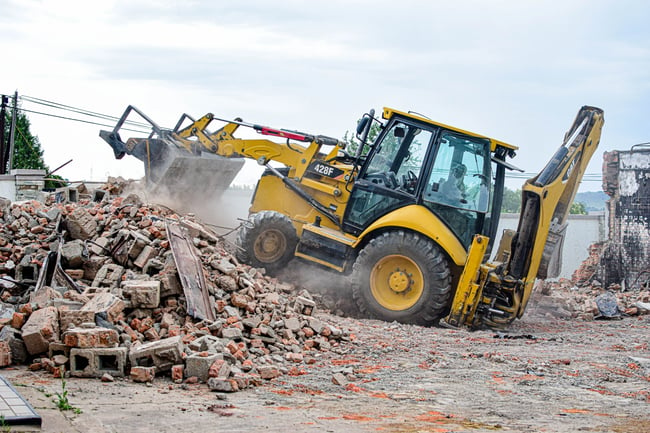
Soil generated from demolition activities. When a structure is knocked down, the soil disturbed or excavated during that process is regulated. This includes soil mixed with debris, dust, or remnants from the demolished structure.
Soil from land clearing operations. When land is cleared for development, including tree removal, grubbing, and grading, the resulting soil material can fall under this program.
Soil from redevelopment projects. Redevelopment sites often involve disturbing previously developed land. That material is generally regulated under the Soil and Fill Recycling Program, and redevelopment sites in particular often involve additional contamination concerns.
Crushed concrete, brick, and block. Broken manufactured construction materials are specifically included in the definition. Crushed concrete from a demolition project, for example, is a soil and fill recyclable material, not just a waste product you can freely move off a jobsite without documentation.
Mixed soil and debris. NJDEP has paid specific attention to materials that appear to be soil but contain debris mixed in. NJDEP has documented enforcement concerns around fill materials containing wood, metals, plastic, wire, roofing materials, insulation, carpet, trash, and other debris mixed with soil. Material like this is squarely within the regulatory framework and typically cannot be reused as fill without additional scrutiny.
Materials generated from any combination of the above. The definition covers material from clearing, excavation, demolition, or redevelopment. You don't have to hit all of those to be regulated. If your material comes from any of those activities, you're looking at potentially regulated material.
What Is Specifically Excluded from the "Dirty Dirt" Definition?
The NJDEP definition also specifically excludes certain materials. Knowing what's excluded is just as important as knowing what's included, because these exclusions define the boundaries of when you're dealing with a regulated material versus something else entirely.
Class A recyclable materials. Class A recyclables in New Jersey include metals, paper, glass, and certain plastics. These materials are handled under a completely separate regulatory framework, not the Soil and Fill Recycling Program. If your material is a Class A recyclable, you're not dealing with dirty dirt.
Class B recyclable material shipped to a Class B recycling center that NJDEP has specifically approved to receive, store, process, or transfer it. The approval has to exist on the receiving facility's end. The material being Class B doesn't automatically make the transaction exempt, the facility taking it in needs the right Department-issued approval for that material.
Beneficial use material with prior NJDEP approval. NJDEP has a separate pathway for materials that have been approved for beneficial use. Specifically, the generator must have obtained prior approval from NJDEP to transport the material to an approved and designated destination. If that approval is in place, the material operates under a different set of rules than the Soil and Fill Recycling Program.
Virgin quarry products. Rock, stone, gravel, sand, and clay that come directly from a quarry are excluded. These are primary materials that haven't been generated as a byproduct of land clearing, demolition, or development. This is an important distinction because it means naturally occurring virgin material that you're mining or extracting doesn't go through this regulatory program, but that same type of material excavated from a construction site might.
The bottom line on exclusions is this: if your material is a virgin quarry product, a Class A recyclable, Class B material going to an NJDEP-approved Class B facility, or a generator-approved beneficial use material, you're probably not dealing with the Soil and Fill Recycling Program. Everything else is fair game for regulation. And even within those exclusions, the specifics matter. If you think you might qualify for one of them, verify it before assuming you're out of scope.
How NJDEP Determines Whether Your Dirty Dirt Material Is Regulated
This is where things get genuinely complicated, because you usually can't tell from looking at a pile of dirt whether it's regulated or not. Two truckloads of material can look completely identical and have completely different regulatory requirements. The classification of your material determines almost everything about what you're allowed to do with it. You can't just move regulated material off a jobsite and drop it somewhere else without going through the proper regulatory channels. The generator has responsibilities, the transporter has responsibilities, and the facility or property receiving the material has responsibilities. Getting any of those steps wrong can result in enforcement action against any party in that chain.
NJDEP looks at several factors when evaluating soil and fill material.
Source of the material. Where did this material come from? What kind of site was it generated on? A site with industrial history, prior contamination, or specific land uses may generate material that triggers additional scrutiny even if the soil appears clean. This is why source documentation matters, not just analytical testing.
Analytical testing. Testing is often a key part of determining how material needs to be handled. NJDEP has established criteria for what levels of various contaminants are acceptable in fill material depending on its intended end use. Fill going to a residential property typically needs to meet tighter standards than fill going to an industrial or commercial site. Testing results determine whether material can be reused as fill, needs to be processed before reuse, or needs to be disposed of as solid waste or hazardous waste.
What's mixed in. Debris mixed into soil is a significant concern for NJDEP. Material that visually appears to be soil but contains construction debris, demolition waste, or other materials mixed in may be evaluated differently than cleaner soil.
Intended end use. Where is the material going? What will it be used for? Fill for a construction site has different requirements than material going to a recycling facility for processing. The intended end use affects what standards the material needs to meet and what approvals or documentation are required.
Whether the receiving facility or location has the appropriate approvals. The party receiving material has obligations too. A Class B recycling facility has to have the right approvals to accept and process soil and fill recyclable materials. A property receiving fill material may need to demonstrate the material is appropriate for that use. The question isn't just whether the material is acceptable, but whether the receiving party is authorized to take it.
Who Is Regulated Under New Jersey's Soil and Fill Recycling Program?
One of the most common misconceptions we see is that people assume only the facility receiving the material is responsible. That's not how NJDEP approaches enforcement. The Soil and Fill Recycling Program creates obligations for everyone who touches the material throughout its lifecycle.
Generators. The party generating the material, typically a contractor, developer, or property owner, has responsibilities when the material leaves the site. This includes maintaining records of where material is going, what testing has been done, and ensuring the material is being sent to an appropriate receiving location.
Transporters. Trucking companies and haulers moving soil and fill recyclable materials in New Jersey are regulated. There are documentation requirements associated with the transportation of these materials, and haulers can't simply accept a load and move it without appropriate paperwork.
Brokers. Parties who arrange the movement or sale of soil and fill recyclable materials, even if they never physically touch the material, can be regulated as brokers under this program. This is a piece that surprises a lot of people.
Recycling facilities. Facilities that accept, process, store, or otherwise manage soil and fill recyclable materials need specific recycling approvals from NJDEP to do so legally. Operating without the right approvals is a significant compliance problem.
Receiving property owners. If a property owner accepts fill material, they may have obligations to verify the material is appropriate for their site. Simply saying "we didn't know what was in it" has not historically been a reliable defense under New Jersey's enforcement approach to this program.
What This Means Specifically for New Jersey Class B Recycling Facilities
If you operate a Class B recycling facility in New Jersey, the Soil and Fill Recycling Program is one of the most important regulatory programs affecting your day-to-day operations. The legislation was specifically designed to increase oversight of businesses involved in the collection, transportation, processing, brokering, storage, purchase, sale, and disposal of soil and fill recyclable materials. That description covers the core business activity of most Class B recycling operations dealing with these types of materials.
What this means practically is that your facility needs to have the right approvals to accept the types of materials you're taking in. Your acceptance criteria matter. Your documentation of incoming loads matters. And your ability to demonstrate that you're receiving appropriate materials and handling them correctly under your approval matters. A load that looks acceptable at the gate can create serious compliance problems if the material turns out to contain debris, contamination, or materials that fall outside your permitted acceptance criteria.
For more on how Class B approvals work in New Jersey and what facilities need to have in place, take a look at our article on everything you need to know about recycling approvals in New Jersey.
The Most Common Dirty Dirt Mistakes We See
After working with contractors, developers, recycling facilities, and property owners on these issues for decades, we've seen the same mistakes come up over and over again.
Assuming visual appearance equals regulatory status. You cannot tell whether material is regulated by looking at it. Clean-looking soil from a redevelopment site is still regulated material. This is the most common mistake we see.
Assuming someone else verified the material. In a transaction involving a generator, a hauler, a broker, and a recycling facility or receiving property, everyone tends to assume someone else has checked the material. NJDEP does not accept that assumption as a defense.
Confusing "clean fill" with "unregulated fill." Just because material is described as clean fill doesn't mean it's exempt from the Soil and Fill Recycling Program. "Clean" in a colloquial sense and "meeting NJDEP criteria for reuse as fill" are two different things. The material still needs to meet analytical standards appropriate for its intended use.
Not having proper documentation. The Soil and Fill Recycling Program involves paperwork. Tracking where material came from, testing results, where it's going, and who handled it along the way is a fundamental part of compliance. Operations that don't maintain that documentation are exposed even if the material itself is fine.
Receiving facilities accepting materials outside their approvals. Recycling facilities sometimes accept material that doesn't fit within the scope of their Class B approvals, either because they didn't scrutinize incoming loads carefully enough or because the material was misrepresented. Either way, the facility bears significant regulatory risk.
Assuming the program doesn't apply to small quantities. The Soil and Fill Recycling Program doesn't have a quantity threshold that exempts small amounts of material. A small contractor moving a few truckloads of excavated soil still needs to handle that material correctly.
So What Does All of This Actually Mean for Your Business?
Understanding what "dirty dirt" is and whether your material is regulated is only the first step. The bigger question is what you're actually required to do about it. That's where New Jersey's Dirty Dirt Law, officially P.L. 2019, c.397, comes in. The law established specific registration and licensing requirements, documentation obligations, testing expectations, and penalties for noncompliance that apply to everyone in the soil and fill chain. Penalties can reach $50,000 per violation, and the law was written specifically to create accountability across the entire chain of custody, not just at the facility where material ends up.
The law also introduced an important distinction this article hasn't covered in depth: the difference between restricted and non-restricted soil and fill recyclable materials. Non-restricted material meets New Jersey's Residential Soil Remediation Standards. Restricted material exceeds them. That classification determines your licensing pathway, where the material can go, and what approvals are required. And the only way to know which category your material falls into is through analytical testing. You can't make that call visually.
If you want a full breakdown of how the law works, what it requires, who it applies to, and how it specifically affects Class B recycling facilities, we've covered all of that in detail in our article What Is New Jersey's Dirty Dirt Law? It's the logical next read if you've established that your material is regulated and need to understand what comes next.
How RMA Helps With New Jersey Dirty Dirt and Soil Fill Compliance
We've worked with contractors, developers, Class B recycling facilities, property owners, and haulers across New Jersey on questions related to the Soil and Fill Recycling Program for a long time. The program is genuinely confusing, and the consequences of getting it wrong, ranging from enforcement actions to costly remediation requirements to disrupted operations, are real. We help clients figure out whether their material is regulated, what documentation and testing they need, whether their facility has the right approvals, and how to handle situations where something has already gone wrong.
If you're dealing with soil or fill materials in New Jersey and you're not sure what applies to you, there's no pressure and no obligation. Reach out to RMA and we'll help you figure out where you stand.