What the Dirty Dirt Regulations Actually Require, Who They Apply To, and What They Mean for Your Business
"Dirty Dirt" is one of the strangest names in environmental regulation. It sounds redundant, like "wet water" or "cold ice," and most people who hear it for the first time assume it just means contaminated soil. But in New Jersey, "Dirty Dirt" is a nickname for a set of regulations that are far broader, far more consequential, and far more confusing than the name suggests. The law was signed in January 2020 and was created to crack down on illegal dumping and the improper handling of fill materials throughout the state. Its official focus is on what NJDEP calls "soil and fill recyclable materials," and it affects developers, contractors, trucking companies, brokers, property owners, and recycling facilities.
If you're moving soil, fill, concrete, or construction material from one site to another in New Jersey, this law probably applies to you. And if it does, the requirements are real: registration or licensing, material testing, documentation, and penalties up to $50,000 per violation for noncompliance. This article explains what Dirty Dirt actually means, how to tell if your material falls under the regulations, what you're required to do about it, and how it specifically affects Class B recycling facilities. If you're not sure where your operation stands, reach out to RMA and we'll help you figure it out.
Table of Contents
What Does "Dirty Dirt" Actually Mean Under New Jersey Law?
"Dirty Dirt" isn't an official regulatory term. It's a nickname. The actual regulations use the phrase "soil and fill recyclable materials," and the official NJDEP definition reads:
"Soil and fill recyclable materials" means non-putrescible aggregate substitute, including, but not limited to, broken or crushed brick, block, concrete, or other similar manufactured materials; soil or soil that may contain aggregate substitute or other debris or material, generated from land clearing, excavation, demolition, or redevelopment activities that would otherwise be managed as solid waste, and that may be returned to the economic mainstream in the form of raw materials for further processing or for use as fill material.
That definition is dense, and if your eyes glazed over reading it, you're not alone. In plain terms, we're talking about soil, broken concrete, crushed brick and block, and similar materials generated during construction, demolition, excavation, land clearing, and redevelopment projects that someone wants to reuse rather than send to a landfill. The key phrase in that definition is "that would otherwise be managed as solid waste." These are materials that would be waste if they weren't being recycled or reused, and the Dirty Dirt law regulates how that recycling and reuse happens.
How Do I Know If My Material Is Considered Dirty Dirt?
This is the question that neither the nickname nor the regulatory definition answers clearly, and it's the one that matters most to the businesses handling this material every day. So here's the practical answer.
If material was generated from construction, demolition, excavation, land clearing, or redevelopment activities, and someone is trying to reuse it rather than landfill it, that material almost certainly falls under the Dirty Dirt regulations. It does not have to be contaminated. It does not have to look bad. It does not have to have visible debris in it. The trigger isn't the condition of the material. The trigger is the activity that generated it combined with the fact that it's being moved for reuse instead of going to a landfill.
Most people hear "dirty dirt" and assume it means visibly contaminated soil, so they look at their material, see that it looks clean, and assume the regulations don't apply. But that's not how it works. Clean-looking soil from a demolition project is regulated the same as soil with visible debris from the same project. And it's not just soil - crushed concrete, brick, block, fill, you name it - they all count. The source activity and the intent to reuse are what put you in Dirty Dirt territory, not what the material looks like.
There are some narrow exceptions. Virgin quarry products like stone, gravel, and sand that were never placed or used are excluded. Materials already covered under certain existing recycling approvals are excluded. But outside of those limited exceptions, if the material came from one of those activities and you're reusing it rather than disposing of it, the Dirty Dirt regulations apply.
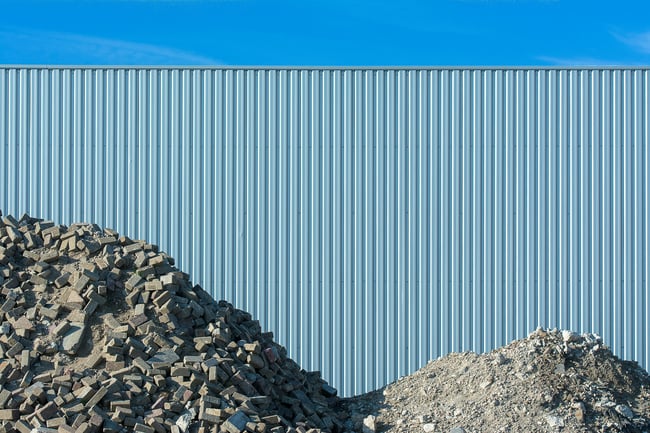
Restricted vs. Non-Restricted Dirty Dirt: Why the Classification Matters
Once you've established that your material falls under the Dirty Dirt regulations, the next critical question is whether it's classified as restricted or non-restricted. This distinction drives almost everything else about how the material can be handled.
Non-restricted material is soil and fill that doesn't exceed New Jersey's Residential Soil Remediation Standards. In practical terms, it's clean enough to meet the state's baseline threshold. Restricted material exceeds those standards, meaning it has contamination levels above what New Jersey considers acceptable for residential soil. That classification changes everything: where the material can go, how it can be used, what approvals are required, and whether you need an A-901 license or a different NJDEP registration.
And here's the critical point: you cannot determine whether material is restricted or non-restricted by looking at it. Two truckloads of soil can appear identical. One meets residential standards. The other exceeds them. The only way to know is through analytical sampling and lab testing. Appearance tells you nothing. Site history, analytical results, and documentation tell you everything.
What Do New Jersey's Dirty Dirt Regulations Actually Require?
This is where the Dirty Dirt law goes from confusing to consequential. The regulations impose specific obligations on businesses handling soil and fill recyclable materials, and the requirements have real teeth.
Registration or A-901 Licensing
Any business that provides soil and fill recycling services needs to either obtain an A-901 license from NJDEP or register with NJDEP and certify that they only handle non-restricted materials. "Soil and fill recycling services" is defined broadly: it includes collecting, transporting, brokering, storing, buying, selling, or disposing of this material. The A-901 license involves background checks and disclosure statements and is required for businesses handling restricted materials. NJDEP registration is a separate path limited to businesses handling only non-restricted material.
There is also a de minimis exception for very small operators handling less than 15 cubic yards per day of clean material, but most commercial operations are well above that threshold.
Analytical Testing
Because the restricted vs. non-restricted classification drives the licensing requirement and determines where material can go, you often need testing to support your classification. That means sampling and laboratory analysis of the material against New Jersey's soil remediation standards. You can't skip this step and solely rely on visual assessment or assumptions about the source site.
Chain-of-Custody Documentation
The regulations require records tracking where material came from, who generated it, who transported it, where it's going, and what characterization data supports the classification. This documentation isn't just good practice. It's what regulators review when they investigate a compliance issue, and it's what protects you if material you handled ends up being a problem downstream.
Penalties for Noncompliance
Noncompliance with registration and licensing requirements can result in penalties up to $50,000 per violation. This isn't an abstract risk. The Dirty Dirt law was enacted specifically because New Jersey wanted stronger enforcement tools for this industry, and the penalties reflect that intent.
Who Is Affected by New Jersey's Dirty Dirt Law?
The reach of the Dirty Dirt regulations is broader than most people realize, because the law doesn't just regulate the end destination of the material. It regulates the entire lifecycle.
Developers and property owners who generate soil and fill during excavation, demolition, or redevelopment projects are affected because they're the starting point of the chain. Contractors performing the physical work need to understand what they're handling and what documentation is required before material leaves the site. Trucking companies moving the material need to understand the transportation requirements and their own registration or licensing obligations. Brokers arranging the sale or transfer of soil and fill have their own set of regulatory responsibilities. And recycling facilities accepting the material need to verify that it meets their approval conditions, falls within the Dirty Dirt framework, and is properly documented.
If you're involved in any part of that chain in New Jersey, the Dirty Dirt regulations probably apply to you in some way. And because the law was specifically designed to create accountability across the entire chain of custody, your exposure doesn't end just because someone else in the chain told you the material was fine.
Dirty Dirt and the Chain of Custody: Why "Someone Else Checked It" Doesn't Protect You
This is the part of the Dirty Dirt law that creates the most real-world risk for businesses. When NJDEP investigates a compliance issue, they don't focus on just one company. They look at the entire chain of custody. Who generated the material? Who transported it? Who brokered the transaction? Who accepted it? Who ultimately placed it? Everyone in that chain has potential regulatory exposure depending on the circumstances.
The most common mistake we see is businesses assuming that somebody else in the chain verified the material. The generator said it was clean. The hauler said it was fine. The broker said don't worry about it. But when regulators show up, that verbal assurance doesn't constitute compliance. The business that can produce documentation, testing results, and records demonstrating that it followed proper procedures is in a fundamentally different position than the business that relied on someone else's word.
This chain-of-custody accountability is especially important for businesses at the receiving end, like recycling facilities, because they're the last stop before the material is placed or reused. If contaminated or unauthorized material ends up at a site and regulators trace it back, the facility that accepted the load without proper verification has significant exposure regardless of what the generator or hauler told them.
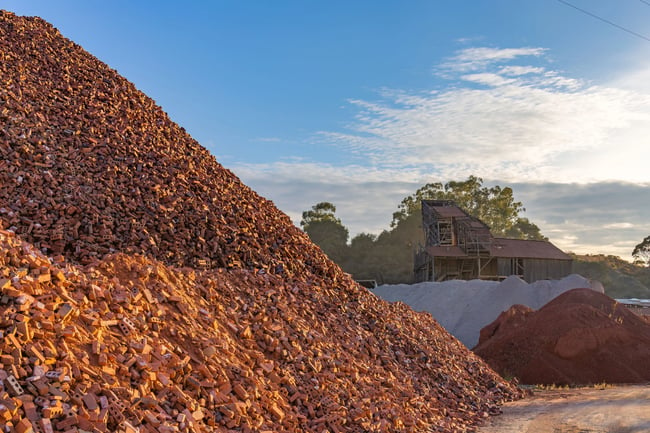
How Dirty Dirt Affects NJ Class B Recycling Facilities Specifically
While the Dirty Dirt law affects everyone in the soil and fill chain, Class B recycling facilities face a unique set of challenges because of their position in that chain. These facilities receive material from multiple sources every day: generators, haulers, brokers, contractors. They're the point where material either enters the legitimate recycling stream or becomes a compliance problem, and the Dirty Dirt law puts a spotlight on that gatekeeping role.
Does Your Recycling Approval Cover What's Coming Through Your Gate?
This is the first question every Class B facility should be asking. Your NJDEP recycling approval is tied to specific materials and specific processes. If soil and fill recyclable materials are arriving at your facility and your approval wasn't written to account for those materials under the Dirty Dirt framework, you may need a modification. Operating outside the scope of your approval is a compliance issue independent of the Dirty Dirt law, but the increased regulatory scrutiny around soil and fill materials makes it far more likely to be discovered and enforced. Our guide on everything you need to know about recycling approvals in New Jersey covers the approval framework in detail.
Are Your Acceptance Criteria Strong Enough?
What documentation do you require from generators before you accept a load? What testing results are you asking to see? What's your process for evaluating whether incoming material meets your permitted acceptance criteria? And what's your procedure for rejecting material that doesn't? These questions matter more under the Dirty Dirt framework than they ever did before, because regulators are specifically looking at whether facilities are exercising appropriate diligence over incoming material. A facility that can demonstrate a rigorous, documented intake process is in a much stronger position than one that relies on informal assurances from the people delivering loads.
Is the Rest of Your Environmental Compliance Solid?
NJDEP will not issue or maintain a recycling approval if your facility isn't in compliance with all other applicable environmental regulations. That means stormwater permits, spill prevention plans, waste management programs, air permits, and anything else that applies to your operation need to be current and in good shape. Dirty Dirt scrutiny can open the door to a broader compliance review of your entire facility, and you want to be ready for that. Our article on environmental regulations for New Jersey recycling centers covers the other programs that commonly apply.
Getting Help with New Jersey's Dirty Dirt Regulations
At RMA, we help businesses across New Jersey understand how the Dirty Dirt regulations connect to their broader environmental compliance picture. For affected operations like recycling facilities, contractors, and developers, that means making sure your approvals, acceptance criteria, operational procedures, and environmental compliance programs are set up to handle these requirements. We help guide you through the process, whether that's understanding your registration and A-901 licensing obligations, figuring out what testing and documentation you need, making sure your recycling approval covers the materials coming through your gate, or getting the rest of your environmental programs buttoned up so increased regulatory scrutiny doesn't catch you off guard.
There's no pressure and no obligation to start a project. If you're not sure whether or how the Dirty Dirt law applies to your situation, we're happy to talk it through. You can give us a call, send an email, or fill out the form on our website. Reach out to RMA and we'll help you figure out where you stand before regulators figure it out for you.