Learning from Great (and TERRIBLE!) Environmental Inspections: How You Can Prepare
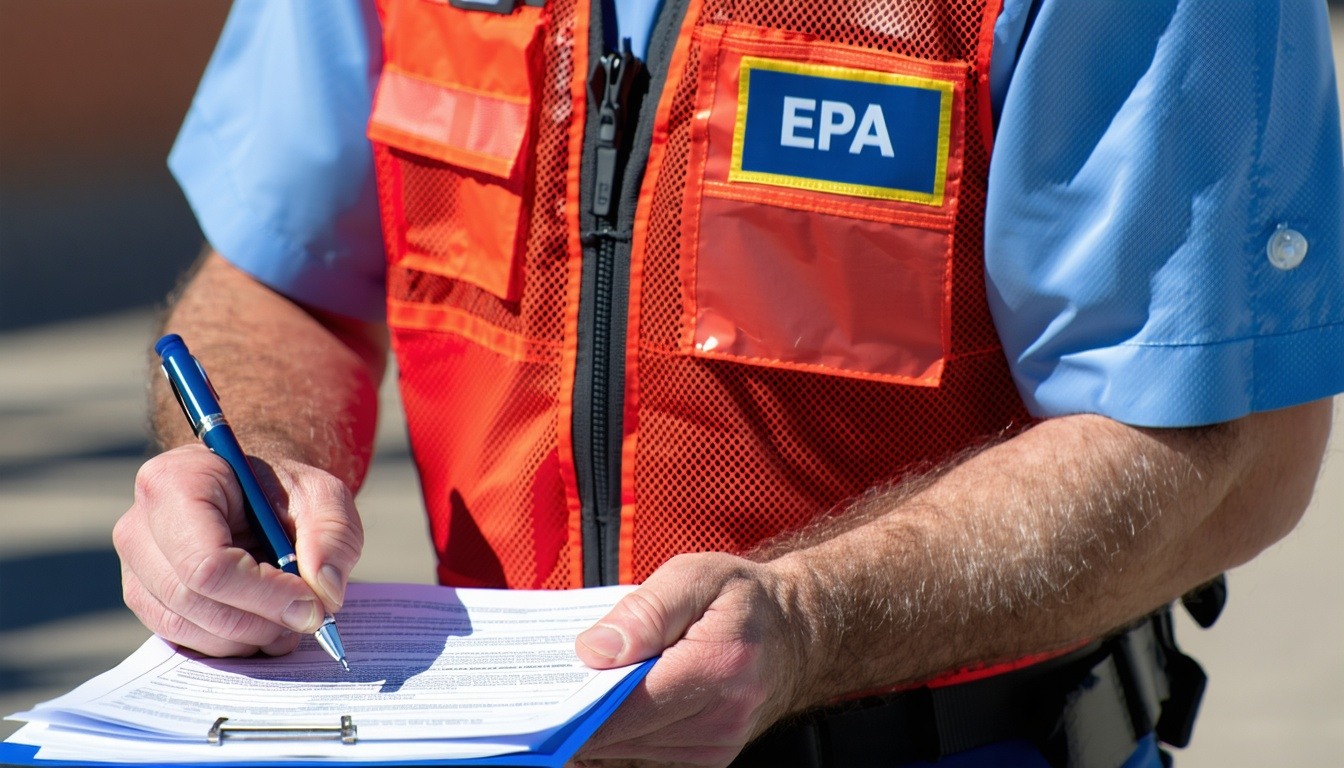
Environmental inspections happen. Whether it's EPA, your state agency, or a local authority, at some point, someone with a badge and a clipboard is going to show up at your facility and start looking around. The question isn't whether it'll happen. It's whether you'll be ready when it does. And the difference between a facility that sails through an inspection and one that walks away with thousands in fines almost never comes down to luck. It comes down to preparation, systems, and whether your team knows what to do when the inspector walks through the door.
This article breaks down what makes inspections go well, what makes them go badly, and the specific things you can do right now to make sure your next visit from a regulator is calm, predictable, and uneventful. If you'd rather have someone evaluate your readiness for you, reach out to RMA and we'll tell you exactly where you stand.
Table of Contents
What a Good Environmental Inspection Looks Like
A good inspection is boring. That's the goal. The inspector arrives, presents credentials, and states the purpose of the visit. Your designated point of contact greets them, asks whether the inspection is comprehensive or focused on a specific program, and escorts them to a conference room. Within minutes, the inspector has every document they've asked for: permits, plans, inspection logs, training records, monitoring data. The records are organized, current, and complete.
During the site walk, the inspector sees a facility that matches what's described in the plans. Labels are on containers. Dates are visible. Containment is intact. Accumulation areas are clean and organized. Storm drains are clear. Equipment is maintained. Nothing is leaking, nothing is unlabeled, and nothing looks like it's been hastily arranged for the visit because it hasn't been. It looks like this every day.
The visit ends with an exit conference where the inspector notes a few minor observations, thanks the team for their cooperation, and leaves. No findings. No corrective actions. No follow-up enforcement. The whole thing took a few hours and nobody's stress level went above a three out of ten. That's what inspection-ready looks like, and it doesn't happen by accident.
What a Bad Environmental Inspection Looks Like
A bad inspection starts with panic. The inspector arrives unannounced and nobody knows who should handle it. There's no designated point of contact, or the designated person left the company six months ago and nobody was assigned to replace them. It takes fifteen minutes to find someone in management willing to walk with the inspector, and another twenty to locate the SPCC plan, which turns out to be six years out of date.
The document review goes downhill from there. Training records are incomplete or missing entirely. Monthly inspection logs have gaps. The waste manifest file hasn't been organized since the last person who managed it left. The SWPPP references BMPs that no longer exist on-site. And the Tier II report from two years ago lists chemicals that the facility hasn't stored in three years while omitting ones that have been on-site since last summer.
The site walk confirms what the documents already suggested. Open containers in the accumulation area. Missing labels. Secondary containment with visible cracks. Oil staining around a tank with no documentation of the release. Spill kits that are empty or expired. And an outfall with sediment buildup that hasn't been addressed despite being noted in the SWPPP's own inspection records.
The inspector leaves with a long list of observations. Formal findings arrive in writing a few weeks later: a Notice of Violation with a penalty assessment in the thousands or tens of thousands of dollars, plus a corrective action timeline. The facility now has an enforcement record, which means increased scrutiny going forward, higher likelihood of follow-up inspections, and a compliance history that potential customers, insurers, and partners can see in public databases.
The Difference Between These Facilities Is Not Luck, It's Systems.
The facility that passed and the facility that failed could be the same size, the same industry, with the same regulatory obligations. The difference isn't what they're required to do. It's whether they've built systems that keep them doing it consistently, month after month, without depending on one person's memory or motivation.
Inspection readiness is a byproduct of ongoing compliance. If your monthly SPCC inspections are actually being done and documented every month, there's no scramble when an inspector asks to see the log. If your training happens on schedule and the records are filed properly, producing them takes seconds. If your plans are updated when changes happen rather than when someone realizes they're outdated, the documents match the site. None of these are heroic efforts. They're routine tasks that get done consistently because someone owns them and there's a system to make sure they happen.
The facilities that fail inspections almost always have the same root cause: the routine slipped. Not dramatically, not all at once, but gradually over months or years. Inspections got skipped when things got busy. Training happened but nobody documented it. A tank was added but the plan wasn't updated. A person left and their responsibilities weren't reassigned. Each individual gap seems minor, but an inspector sees them all at once, and the cumulative picture tells a story about how the program is managed. Our guide on hiring an environmental consultant covers how outside support can keep these systems running when internal resources are stretched.
The Documents They're Going to Ask For
Inspectors follow a predictable pattern, and knowing what they'll ask for is the first step toward having it ready. The specific documents depend on which programs apply to your facility and what type of inspection it is, but the most commonly requested items include your SPCC plan (if applicable), your SWPPP and stormwater permit, your contingency plan (for LQGs), hazardous waste manifests and waste determination records, Tier II and TRI submissions, training records for all required programs, monthly and routine inspection logs, monitoring data and Discharge Monitoring Reports, air permit documentation and compliance records, and your emergency coordinator contact list.
Every one of these should be accessible within minutes. Not "somewhere in the filing cabinet." Not "on the old computer." Not "the previous manager had that." Minutes. If an inspector has to wait while you search, that tells them something about how your program is managed, and it's not something good. The quality of your recordkeeping is one of the strongest indicators of the quality of your overall program, and inspectors know it. If you want to trial run an inspection before a real one happens, check out this post on environmental audits.
The Site Conditions That Get You Cited
Site walk findings are the most common source of violations because they're immediately visible and require zero interpretation. An inspector doesn't need to analyze a spreadsheet or review a regulation to know that an open drum is a problem. The most frequently cited conditions during site walks include open or improperly closed containers in waste accumulation areas, missing or illegible hazardous waste labels, missing accumulation start dates on containers, secondary containment with cracks, holes, or accumulated liquids, evidence of spills or releases without corresponding documentation, spill response equipment that's depleted, expired, or inaccessible, storm drain inlets with visible contamination or poor housekeeping, outdoor material storage without proper containment or cover, and equipment with active leaks that aren't being managed.
Here's the thing about site conditions: they reflect the day-to-day reality of how your facility operates. You can't fake a clean accumulation area for an unannounced inspection. You can't relabel every drum in the parking lot while the inspector is reviewing documents in the conference room. The site conditions that exist when the inspector walks through are the site conditions that exist every day, and either they're compliant or they're not.
Your People Are Part of the Inspection
Inspectors talk to people. They ask operators how they handle waste. They ask maintenance staff where spill kits are located. They ask the person at the loading dock what they'd do if a drum leaked. These conversations aren't casual. The inspector is evaluating whether your team has been trained and whether they understand the procedures described in your plans.
An employee who can't explain basic waste handling procedures, doesn't know where the SPCC plan is kept, or has never heard of the facility's contingency plan tells the inspector that training either isn't happening or isn't effective. Conversely, an employee who can calmly describe the spill response procedure, point to the nearest spill kit, and explain how they handle waste in their area tells the inspector that the program is real, not just paperwork.
This is why training matters beyond the regulatory checkbox. It's not enough to have a sign-in sheet from last year's session. Your people need to actually understand the material well enough to demonstrate it under the mild pressure of an inspector's questions. If they can't, the inspector may conclude that the training program is inadequate even if the documentation looks fine. Our article on environmental training covers how to build a program that produces real competence, not just records.
The Value of a Mock Inspection
A mock inspection is exactly what it sounds like: a practice run conducted by someone who knows what regulators look for, using the same methodology an inspector would use. They review your documents, walk your site, talk to your staff, and produce a findings report that tells you everything an inspector would find if they showed up tomorrow.
The value is straightforward. Every finding in a mock inspection is a finding you can fix before it becomes a citation. A real inspection with twelve findings means penalties, corrective actions, and an enforcement record. A mock inspection with the same twelve findings means a prioritized to-do list and the time to address it. The cost difference between the two is typically an order of magnitude: a mock inspection might cost a few thousand dollars. The penalties, corrective actions, and reputational damage from a failed real inspection can cost tens of thousands or more.
Mock inspections also reveal systemic issues that individual compliance tasks might not surface. Your SPCC plan might be current, your training records might be complete, and your waste manifests might be organized, but a mock inspection evaluates all of those together in the context of what the site actually looks like. It's the holistic picture that matters, and sometimes facilities that feel confident about their individual programs are surprised by what a mock inspection uncovers when everything is evaluated together. Our auditing services page covers how we approach these evaluations.
What Happens After a Bad Inspection (and Why It Lingers)
The consequences of a failed inspection extend well beyond the initial penalty. Enforcement records are public. They show up in EPA's ECHO database. They show up when customers run due diligence. They show up when insurance underwriters evaluate your risk profile. And they show up when the same agency decides which facilities to inspect next, because facilities with compliance history problems get inspected more frequently.
There's also the internal cost. Corrective actions consume management time and budget that was allocated to other priorities. Staff morale takes a hit when the facility is cited and the team feels like they were set up to fail. And the urgency of fixing citation items under a regulatory deadline often means paying premium prices for work that would have been routine if it had been done proactively.
The facilities that recover well from a bad inspection are the ones that treat it as a wake-up call and invest in the systems that prevent a repeat. The ones that don't recover are the ones that fix only the specific items cited, don't address the underlying management gaps, and end up with a similar set of findings at the next inspection. Regulators notice patterns, and a second round of similar violations signals a program that isn't being managed, which escalates both penalties and scrutiny.
A Quick Readiness Checklist
If an inspector walked in right now, could you answer yes to all of these?
-
Does your facility have a designated inspection point of contact, and does everyone on-site know who that person is?
-
Can you produce every required plan, permit, and report within five minutes?
-
Are your inspection logs complete and current with no gaps?
-
Are training records documented and organized for every employee in a regulated role?
-
Do your plans and permits reflect current site conditions, not conditions from two years ago?
-
Are your accumulation areas clean, labeled, dated, and properly managed?
-
Is your secondary containment intact and free of cracks, accumulated liquids, and debris?
-
Are spill kits stocked and accessible?
-
Could any employee on-site answer basic questions about their role in the environmental program?
If you answered no to any of those, you have gaps that an inspector will find. The good news is that most of these are fixable quickly once you know they exist. The challenge is identifying them before someone else does.
We help facilities get inspection-ready and stay that way. That includes mock inspections that mirror exactly what a regulator would do, compliance program reviews that identify gaps before they become findings, staff training that prepares your team to handle an inspector confidently, and ongoing program management that keeps the routine tasks from slipping. Don't wait for the state to tell you what's wrong. Reach out to RMA, find out now, fix it fast, and make your next inspection the boring kind where nothing goes wrong. You can also visit our consulting services page or use our audit pricing calculator to see what a readiness assessment looks like.