Practical Guidance on Pile Placement, Buffers, Collection, and Housekeeping for Wood Waste and Leaf Composting Sites Under NJDEP's WRC General Permit
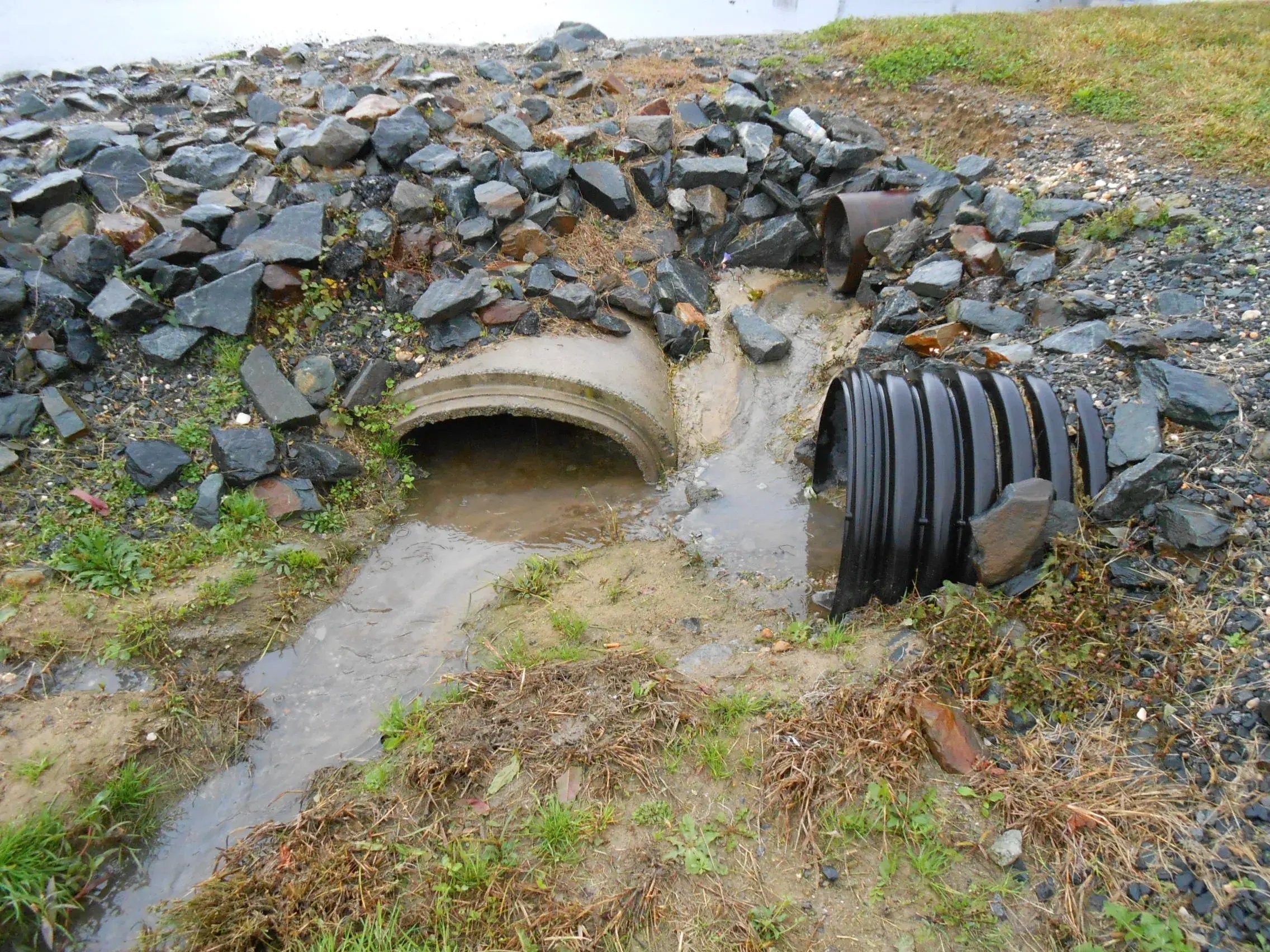
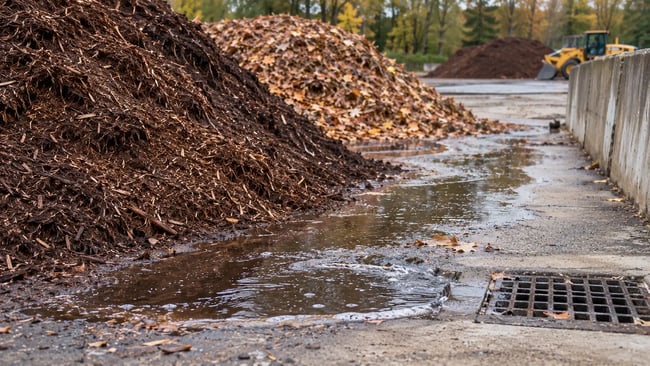
If you run a mulch yard, a wood recycling site, or a town leaf composting area, you've seen it. After a good rain, a dark, tea-colored liquid seeps from the base of the piles and runs to the nearest low spot. That liquid is leachate, and once it leaves your property it's treated as a pollutant discharge, not a quirk of the business. In New Jersey, how you keep it on site and out of storm drains, ditches, and streams is tied to the stormwater permit that covers these operations.
This article covers what leachate is, how NJDEP's Wood Waste Recycling and Leaf Composting (WRC) general permit approaches it, where piles should sit, how to collect and divert runoff, and the housekeeping habits that keep small problems from turning into violations. We wrote it for people who manage piles every day and want practical steps, not a permit lecture. If you'd rather have someone walk your site with you, you're welcome to reach out to RMA at any point.
Table of Contents
TL;DR
Leachate is the dark, nutrient-heavy liquid that drains out of wood and leaf piles, and rain makes more of it. Under NJDEP's WRC general permit, a facility has to keep that liquid and the stormwater that touches the piles from reaching storm drains, streams, or groundwater untreated. In practice that means setting piles on sound ground away from drainage, keeping clean water from running through them, catching or slowing what runs off, and inspecting after storms. Pile conditions, sampling, and monitoring vary by authorization and recycling approval, so check your own documents before relying on any general advice.
What Is Leachate From Mulch and Leaf Piles, and Why Does NJDEP Care?
Leachate is liquid that has touched or soaked through decomposing material. New Jersey's recycling rules define it that way, and they expect composting and wood processing areas to plan for it before they ever open. Wood and leaves hold sugars, tannins, and nutrients, so water that moves through a pile comes out dark brown and loaded with organic material. That's why the runoff looks like strong tea.
The color isn't the problem. What's in the water is. When organic-rich liquid reaches a stream, microbes start breaking it down and use up dissolved oxygen that fish and insects need. The nutrients can also feed algae. Where piles sit on bare ground, the liquid can soak down toward groundwater instead. Fresh material leaches the most, so fall leaf deliveries and wet, freshly ground piles are when most sites see it.
NJDEP cares because stormwater from these sites ends up in the same streams as everything else. If you've ever wondered what discolored water leaving a lot tells the department, our post on muddy, oily, or discolored water leaving your New Jersey lot covers how it reads to inspectors and neighbors. Sites near sensitive streams have even more reason to be careful, which is why Category One waters are worth checking against your location.
How Does the WRC Permit Treat Leachate and Pile Runoff?
The WRC is a New Jersey Pollutant Discharge Elimination System (NJPDES) general permit that NJDEP describes as an alternative to an individual stormwater permit. It covers receiving, storing, processing, and transferring untreated tree branches, brush, and other wood waste, along with composting of grass clippings, leaves, and wood chips. The wood can't be chemically treated, glued, dyed, or painted. NJDEP renewed the master permit with an effective date of January 1, 2026, and it authorizes stormwater discharges to both surface water and groundwater.
Two sets of paperwork usually ask the same leachate questions. The permit expects a stormwater pollution prevention plan, which NJDEP calls an SPPP and which you'll also hear called an SP3 or just a stormwater plan. We'll call it a SWPPP here, and our explainer on New Jersey's stormwater pollution prevention plan shows what goes in one. WRC sites also work from a drainage control plan that shows how water moves across the facility. Separately, your recycling approval or exemption under the state recycling rules asks you to describe how the site controls leachate and stormwater runoff. If those documents contradict each other, an inspector will notice.
We're deliberately general about the permit's fine print. Specific pile conditions, monitoring parameters, and sampling frequencies depend on the current master permit and your own authorization, and they've changed between permit cycles. Read yours before relying on anything in a general article, including this one. If you're still sorting out whether you need coverage at all, our posts on mulch, wood recycling, and leaf composting stormwater and municipal leaf compost sites are the better starting points.
Where Should Mulch and Leaf Piles Go to Limit Runoff?
Most leachate problems are location problems. A pile set in the wrong spot will leak no matter how many berms you add later, and moving it is cheaper than fixing the damage. Start with the ground. Piles do best on high, well-drained, compacted or paved pads that don't flood. NJDEP's municipal stormwater permits use similar language for leaf yards, asking for storage on ground that isn't prone to seasonal flooding and for practices that stop run-on and leachate runoff.
Next, think about what's downhill. Keep piles away from storm drains, ditches, wetlands, streams, and wells, and don't tuck them into a swale or the low corner of the yard where every drop on the property ends up. A pile at the bottom of a slope takes in water from everything above it, which means more leachate for the same amount of material. Grade the pad so water moves away from the pile and toward whatever you've built to catch it, and orient windrows so water doesn't pond against them or get channeled through them.
A vegetated buffer between the piles and the property line or nearest water gives runoff a place to slow down and soak in. Your recycling approval and permit may set minimum distances, pile sizes, or heights, so check those conditions before you move anything. We're not going to quote numbers here because they differ by site and by approval.
How Do You Collect and Divert Leachate From Wood and Leaf Piles?
Think of it as two jobs. The first is keeping clean water away from the piles: diversion swales or berms uphill of the pad send rain from roofs, roads, and slopes around the material instead of through it. The second is catching whatever does run off the piles. Berms around the pad, vegetated swales, filter strips, and settling or infiltration areas all do this, and a lot of sites use a combination. Covering finished compost or mulch, or storing it under a roof, cuts the volume of leachate at the source, which is the cheapest control there is.
Sizing basins and designing the grading is engineering work, and many facilities bring in an engineer for the drainage control plan. That's not something RMA does. If you're building new pads, basins, or berms, or regrading the yard, construction-phase requirements may come into play, such as Soil Conservation District soil erosion and sediment control certification and construction stormwater coverage. RMA doesn't prepare those either, so your engineer or contractor is the right contact for that piece.
Where captured liquid goes next needs a plan. Don't let it reach a storm drain, and don't assume it can go to a sanitary sewer, since the sewerage authority sets its own rules. Some sites route captured liquid back onto active piles, which keeps it on site, but whether that fits your approval is a question for NJDEP's recycling program. Liquid that's been collected behaves differently from rain falling on clean ground, and our post on the difference between stormwater and process water explains why that matters for permits.
What Housekeeping and Inspection Habits Keep Pile Runoff Under Control?
Controls only work if somebody looks at them. The cheapest habit is walking the site during or right after a heavy rain, when problems show themselves. Look for dark water leaving the pad, ponding against piles, small channels cut into the surface, sediment piling up at a berm, and swales clogged with leaves. Your permit sets minimum inspection requirements, and this kind of extra walk is inexpensive insurance on top of them. Take dated photos and write down what you found and what you fixed, because those notes are the first thing an inspector asks for. Our post on doing a stormwater visual inspection covers what to look for.
Day-to-day management matters as much as structures. Clean out swales and settling areas before leaf season rather than during it. Don't let incoming leaves pile up in drainage paths while you wait to process them. Process or turn wet material so it doesn't sit saturated through a storm, and move old finished product off the pad before it turns into another leachate source. Keep trash out of the piles, sweep up tracked material, and keep a spill kit handy, because hydraulic or fuel leaks from grinders and loaders mix with leachate and make the runoff worse. Winter adds frozen ground and snowmelt, which can send water across a pad that normally absorbs it.
A good housekeeping routine is mostly training your crew to notice. If you want to build that habit, our online training library is a decent place to start, and our guide to stormwater best management practices lists the kinds of controls inspectors expect to see maintained.
What Sampling and Records Matter When Dark Runoff Leaves the Site?
Monitoring requirements under the WRC depend on your authorization, and some parts of the permit set what you sample, how often, and how you report. Pull your authorization and mark exactly what it asks for. Whatever the schedule is, we'd encourage you to take your own samples. You know the site, you can get to it during a storm, and there's no way for a consultant to be standing there on short notice. We explain the reasoning in why you need to take your own stormwater samples. RMA doesn't take the samples or do lab work, but we train your team to do it correctly.
Keep your SWPPP and drainage control plan current as the yard changes. If you move a windrow area, add a berm, or change what you accept, the plan should say so. When dark water does leave the site, stop the source first if you can, contain what's left, photograph everything, and write down when it happened and what the weather was doing. Then figure out whether any reporting duty applies under your permit and approvals. Neighbors do call NJDEP about runoff, and our post on what happens after a runoff complaint walks through the process. If you've already received a notice of violation, an environmental attorney may be the right first call alongside any compliance help.
How Can RMA Help With Leachate and Runoff at Your WRC Site?
We're based in New Jersey and work with NJDEP's permit categories every day, including NJ recycling approvals, so we're comfortable with how the stormwater side and the recycling side fit together. For WRC sites, that usually means helping you sort out which authorization applies, building or tightening the SWPPP so it matches what's really happening in the yard, and training your team to inspect and sample. After you're permitted, we also offer annual support for reminders, results, and plan updates, either hands-on or hands-off. If you only have a few small piles and your existing plan already covers them, you may not need us, and we'll say so.
We're not the right fit for engineering design or treatment system construction, and we don't do construction permits or lab work. When a site needs those, we'll point you toward the right people. If you'd like to talk through your piles and your plan, you can call, email, or fill out the form on our website. There's no obligation, and you'll talk with senior staff who do the work themselves. Just contact RMA whenever it's convenient.