Both involve consultants, reports, and the word "environmental." That's about where the similarities end. Here's how to tell which one actually fits your situation.
If you've started looking into environmental services, there's a good chance you've come across both Environmental Audits and Phase I Environmental Site Assessments (Phase I ESAs). At a glance, they can sound like the same thing. Both involve a consultant walking a site. Both evaluate some form of environmental risk. Both end with a written report.
But they're built to answer two completely different questions, and mixing them up can cost you real time and money. We hear this mix-up constantly. A company calls asking for an environmental audit because they're buying a property. Another calls asking for a Phase I ESA because they're worried about an upcoming state inspection. In both cases, they've asked for the wrong service. If you want help figuring out which one actually applies to your situation, reach out to RMA and we'll walk through it with you.
Table of Contents
TL;DR
A Phase I ESA looks backward. It investigates a property's history to flag potential contamination before you buy, finance, or refinance it. An Environmental Audit looks at today. It checks whether a facility's current operations comply with permits and regulations like SPCC, NPDES, RCRA, and Clean Air Act requirements. Neither one substitutes for the other, and buying an operating facility often calls for both. If you're not sure which applies to you, that's a normal question to have, and it's worth asking before you spend money on the wrong assessment.
The Short Answer: Two Different Questions
A Phase I Environmental Site Assessment evaluates the history of a property to determine whether contamination may exist, and it's typically done to limit a buyer's future liability for that contamination. An Environmental Audit evaluates a facility's current operations to determine whether it's complying with the environmental regulations and permits that apply to it.
One looks backward, with contamination as the focus. The other looks at right now, with regulatory compliance as the focus. If you remember nothing else from this article, remember that distinction. It's the difference between "what happened here" and "what's happening here."
What Is a Phase I Environmental Site Assessment?
A Phase I ESA is generally performed before someone purchases, finances, or refinances commercial or industrial property. Its purpose is to identify what the industry calls Recognized Environmental Conditions, or RECs, meaning conditions that suggest a release of hazardous substances may have occurred on or near the property. Depending on what the consultant finds, they may also flag Historical RECs (past contamination that's already been addressed) or Controlled RECs (contamination that's been managed but still carries use restrictions).
Phase I ESAs follow a specific methodology known as ASTM E1527, which satisfies the EPA's All Appropriate Inquiries standard. That standard matters because it's what allows a purchaser to potentially qualify for certain CERCLA liability protections, like the innocent landowner or bona fide prospective purchaser defenses, if contamination turns out to exist and it wasn't caused by them.
To reach a conclusion, the consultant typically reviews:
- Historical records, including aerial photographs, fire insurance maps, and prior property records
- Environmental databases and government regulatory files
- Current site conditions, based on a physical site inspection
- Interviews with current or past owners and occupants
Notice what isn't on that list. The consultant isn't reviewing your SPCC plan, your hazardous waste practices, your stormwater permit, or your air permits. A Phase I ESA doesn't touch operational compliance at all. It's strictly asking whether the property's past has left something behind. If the Phase I turns up a REC, the next step is usually a Phase II Environmental Site Assessment, which actually collects soil, groundwater, or building material samples to confirm whether contamination is present.
What Is an Environmental Audit?
An Environmental Audit asks a completely different question. Instead of "what happened here over the past several decades," it asks whether the facility is currently complying with the environmental regulations that apply to it today.
Depending on the facility and its industry, an audit may review any combination of:
- SPCC compliance and spill prevention practices
- NPDES stormwater and wastewater permit requirements
- Hazardous waste generation, storage, and disposal practices under RCRA
- Clean Air Act emissions permitting
- Chemical storage and EPCRA reporting obligations, including Tier II and TRI
- Recordkeeping and employee training documentation
We often describe an environmental audit as a health check for a facility's environmental program. It doesn't just confirm you have the right paperwork sitting in a binder. A good audit tells you whether your program actually functions the way it's supposed to, and it flags the gaps before an inspector, a lender, or a customer finds them for you.
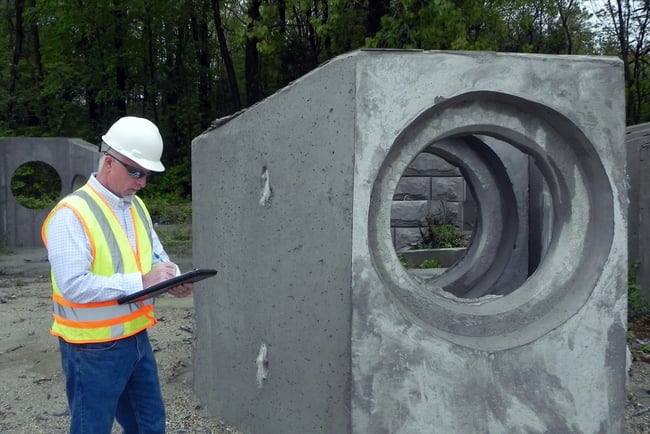
Phase I ESA vs. Environmental Audit: A Side-by-Side Look
A Phase I ESA is used primarily during real estate transactions, evaluates historical property use, and follows the ASTM E1527 standard. It's usually requested by lenders or buyers and is aimed at supporting CERCLA liability protections. An Environmental Audit is used primarily for operating facilities, evaluates current operations against applicable regulations and permit conditions, and is usually requested by facility owners, corporate counsel, or insurers. It's aimed at reducing compliance risk and strengthening an environmental program, not at establishing liability protection for a piece of real estate.
Neither one is "better" than the other. They're different tools built for different jobs, and using the wrong one doesn't just waste money. It can leave you exposed to exactly the risk you thought you'd covered.
When Do You Need a Phase I ESA?
A Phase I ESA is typically the right call when you're purchasing commercial or industrial property, refinancing certain properties, applying for commercial financing, acquiring a company that comes with real estate, redeveloping a previously used site, or simply completing environmental due diligence ahead of an acquisition. Lenders commonly require one before financing commercial property specifically because they want to understand what environmental liability might be attached to the land itself.
A property looking clean today doesn't mean its history is clean. We've reviewed sites that look perfectly ordinary now but once housed dry cleaners, gas stations, or manufacturing operations that left something behind decades ago, something a current owner could still be on the hook to address. That's exactly the gap a Phase I ESA is designed to catch. For more on why lenders push for this specifically, see why banks require a Phase I or Phase II ESA before they'll finance a property.
When Do You Need an Environmental Audit?
An Environmental Audit makes sense when you're operating a facility and want to know whether your compliance program actually holds up. That includes preparing for an EPA or state inspection, running a corporate compliance review, satisfying an insurance or lender requirement, supporting an environmental management system, reviewing a facility ahead of an acquisition, or simply getting ahead of problems before a regulator finds them.
A lot of companies run periodic audits for no reason other than it's good business. Under the EPA's Audit Policy, businesses that voluntarily discover, promptly disclose, and correct violations can often qualify for reduced penalties compared to violations a regulator finds on their own. Finding your own problems and fixing them is almost always cheaper and less disruptive than having an inspector find them first.
Can a Phase I ESA Replace an Environmental Audit (or Vice Versa)?
No, and this is probably the biggest misconception we run into. A Phase I ESA cannot replace an environmental audit, and an environmental audit cannot replace a Phase I ESA.
Picture buying an existing manufacturing facility that's still operating. The Phase I ESA tells you whether historical contamination might exist on the property. The environmental audit tells you whether today's operations comply with the regulations that apply to that facility. Those are two separate questions with two separate answers. If you only run a Phase I ESA, you could end up buying a facility with serious compliance problems that will cost you to fix. If you only run an audit, you could miss historical contamination that affects the property's value or exposes you to cleanup liability down the road. Depending on the deal, it's common for both assessments to be appropriate at the same time, and our comparison of what each one costs can help you budget for both.
Why Audit and Phase I ESA Findings Can Be Sensitive Information
Both assessments are designed to surface environmental risk, and sometimes that risk is minor. Sometimes it isn't. Either way, the findings can carry legal, regulatory, financial, insurance, or lending consequences. That's not a reason to avoid these services. It's actually one of the reasons they're valuable in the first place. But it does mean the work should be approached thoughtfully.
Before starting an audit or assessment, it's worth thinking through why the work is being done, who will see the final report, how the findings might be used, and whether legal counsel should be looped in on planning the project. Those considerations shift depending on the situation, particularly during acquisitions, litigation, or internal investigations. An experienced consultant can help coordinate the technical work while making sure everyone involved understands the purpose and scope of what's being reviewed.
Why Experience Matters in Environmental Due Diligence
Anyone can work through a checklist. The value comes from understanding what the checklist actually means. An experienced consultant recognizes the subtle issues a less experienced reviewer might skip past, understands how federal and state regulations interact with each other, and knows which findings represent real compliance risk versus a minor housekeeping item that isn't worth losing sleep over.
Just as important, an experienced consultant can explain those findings in plain English. Environmental regulations are complicated enough without a consultant making them harder to follow. At RMA, we think our job isn't just to point out problems. It's senior staff, not junior reviewers handing off a template, explaining what the findings mean, prioritizing what actually matters, and helping you build a practical plan around it.
How Much Does Each One Cost?
Costs for both assessments depend heavily on the property or facility's size, complexity, location, and scope of work. As a general range, a Phase I ESA typically runs somewhere between $4,000 and $6,500, while an environmental audit typically runs between $3,000 and $7,500, with larger or more complex industrial facilities landing on the higher end. A simple Phase I ESA for a small commercial building looks nothing like a full compliance audit of a large industrial site, so treat these as starting points rather than a quote.
The better question usually isn't which one costs less. It's whether you're paying for the right service in the first place. Spending money on the wrong assessment almost always costs more in the long run than getting the right one from the start. If you want a more detailed breakdown, our Phase I ESA cost guide and environmental audit cost guide both go deeper into what drives pricing up or down.
Frequently Asked Questions About Audits and Phase I ESAs
Is a Phase I ESA required by law?
Not typically. Lenders often require one before financing commercial real estate, and buyers frequently get one to help qualify for CERCLA liability protections, but there's usually no independent legal mandate forcing it.
Does a Phase I ESA include environmental sampling?
No. A standard Phase I ESA doesn't include soil, groundwater, or building material sampling. If the Phase I turns up a potential concern, a Phase II ESA is the step that actually collects samples to confirm whether contamination exists.
Is an environmental audit required by law?
Usually not, though there are exceptions. Some permit conditions, consent orders, or contractual obligations, including customer requirements, can make periodic audits mandatory. Outside of those situations, most audits are voluntary and done to reduce risk, improve compliance, or prepare for an inspection.
Which one costs more?
It depends entirely on the property and the scope involved. A small commercial Phase I ESA can cost less than a comprehensive audit of a large industrial facility, and the reverse is also true for a simple audit versus a complicated multi-parcel Phase I. Scope drives cost more than the type of assessment does.
How RMA Helps With Audits and Phase I ESAs
We've helped organizations across a range of industries, from manufacturing and concrete to recycling and data centers, sort out which assessment actually fits their situation, sometimes a Phase I ESA, sometimes an environmental audit, sometimes both. Our goal isn't to sell you a service you don't need. It's to help you understand your options so you can make the right call with confidence.
If you're not sure which one applies to your project, there's no pressure and no obligation to talk it through. You can call, email, or fill out the form on our contact page, and we'll help you figure out where you stand.