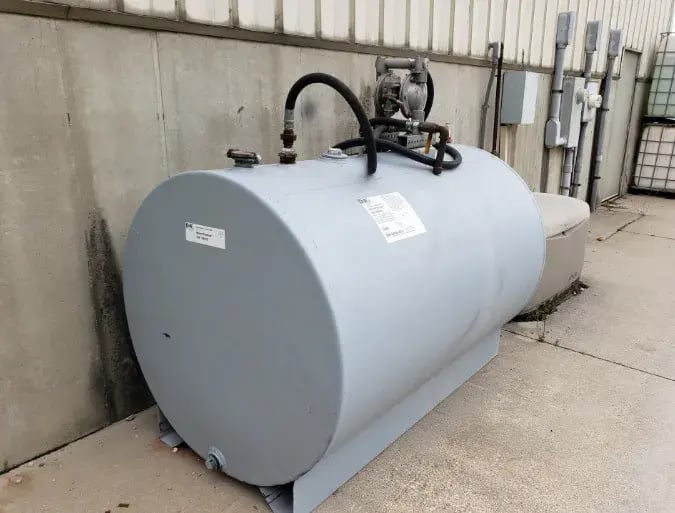
The New Jersey SPCC Buyer's Guide: Do You Need a Plan, Which Type, What It Costs, How Long It Takes, and How to Choose Help
If your facility stores oil in New Jersey, you've probably heard about an SPCC plan from an insurer, a landlord, an inspector, or a customer, and then spent an afternoon trying to figure out what it means for you. The rules are federal, the state adds its own layer, and most of what's online is either written for attorneys or written to sell you something. This guide is meant to let you make the decisions in order, with straight answers at each step.
The guide pulls together our core New Jersey SPCC articles into seven parts: whether you need a plan, which type, what it costs, how long it takes, how to stay compliant, what to do when things change, and how to choose help. Read it front to back if you're starting from zero, or jump to the part that matches where you are. Each part points to the full article on that question, and if you'd rather talk it through, you can reach out to RMA at any point.
Table of Contents
TL;DR
A New Jersey facility needs an SPCC plan when it stores more than 1,320 gallons of oil aboveground and could reasonably reach waters of the United States. Smaller qualified facilities can self-certify, while larger ones need a professional engineer, and plans generally cost $2,500 to $15,000 and take one to four weeks. After that, you owe the plan inspections, training, records, and a review every five years, plus an update whenever your oil storage changes.
Do You Need an SPCC Plan in New Jersey?
An SPCC plan is an oil spill prevention plan. The federal rule, 40 CFR Part 112, applies when a facility stores more than 1,320 gallons of oil aboveground in total, counting every container of 55 gallons or more, and could reasonably be expected to discharge to waters of the United States. EPA Region 2 enforces it in New Jersey. The count is based on what your containers can hold, not what's in them today, and it includes more than fuel. Hydraulic oil, used oil, lube oil, oil-filled equipment, and vegetable oils all count, which is how a tidy shop or warehouse ends up over the line without anyone noticing. Our guides on how to determine whether you need a plan, how to count your oil storage, and what counts as oil walk through the math one step at a time.
Two parts of the test trip people up. The first is the exemptions, because some containers and facilities fall outside the rule while still mattering under New Jersey's own requirements, which we cover in SPCC exemptions. The second is the "reasonable expectation of discharge" test. Saying you're not near water rarely settles it, and our explanation of that test shows why. Backup generators are another common surprise, and we cover them in our article on generators and oil spill plans.
New Jersey adds its own layer. Facilities that qualify as major facilities under N.J.A.C. 7:1E also need discharge prevention and cleanup plans filed with NJDEP, and the triggers and regulators differ from the federal rule. Our comparison of SPCC and DPCC plans lays out which combination applies to your site.
Which Type of SPCC Plan Does Your New Jersey Facility Need?
SPCC plans come in three versions, and which one you need depends on how much oil you store, how large your biggest containers are, and your spill history. Smaller facilities that meet the qualified facility criteria can self-certify, which means the owner or operator signs the plan. Larger facilities, and smaller ones that don't qualify, need a licensed professional engineer to review the site and certify the plan. The version you land in affects the cost, the timeline, and how much work falls on your staff, so it's worth settling before you request a single proposal.
| Plan Type |
Typical Facility |
Who Signs It |
| Tier I qualified facility plan |
Smaller facility with limited storage and a limited spill history |
Owner or operator (self-certified) |
| Tier II qualified facility plan |
Qualified facility that doesn't fit the simpler Tier I template |
Owner or operator (self-certified) |
| PE-certified plan |
Facility above the 10,000-gallon qualified facility limit, or one that doesn't otherwise qualify |
Licensed professional engineer |
The deciding article is our guide to Tier I, Tier II, and PE-certified plans, and it pairs well with the qualified facility rules and the self-certification question. If an engineer is involved, what a professional engineer does when certifying a plan explains the site visit and review, and whether that engineer has to be New Jersey-licensed covers the licensing question.
How Much Does an SPCC Plan Cost in New Jersey?
Professionally developed SPCC plans generally run from about $2,500 to $15,000. A small facility with a handful of containers sits at the low end. A site with many tanks, several buildings, intricate containment, or more than one regulatory program to coordinate sits at the high end. We're not the cheapest option and we don't want to be, but you should know what moves the number before anyone quotes you one.
The biggest drivers are total storage capacity, the number and type of containers, the plan type, whether secondary containment needs to be evaluated, and how much work it takes to gather accurate information about your site. Rush timelines and travel add cost, and a facility that can hand over good drawings and an organized equipment list pays less than one that makes the consultant start from scratch. Our SPCC plan cost breakdown covers each driver, the Tier I cost article looks at the self-certified route, and why PE-certified plans cost more explains what the higher fee pays for. If you run a small business, how to save money without creating a bigger bill later is worth a read.
When you want a number for your own site, the SPCC pricing calculator below gives you a ballpark for RMA preparing a plan for your facility. It's an estimate, not a quote, and it takes a couple of minutes.
How Long Does It Take to Get an SPCC Plan?
A small, simple facility can have a plan in about a week. A typical facility takes two weeks to a month, and a quality, site-specific plan from an experienced firm usually lands in the three to four week range. Very large or complex sites can take longer. The writing itself is rarely what stretches the schedule. Waiting on drawings, tank capacities, and records that nobody has in one place does, along with containment questions that surface during the site visit. Our timeline article breaks the range down by facility size and explains what slows things down.
You can shorten the process by arriving prepared. The checklist for your first call covers tanks, drums, generators, records, and site plans, and what we need from you to start a plan explains what to do if you don't have everything. If you'd like to see what you're buying, our section-by-section walkthrough of a New Jersey SPCC plan shows what each part is for. Regulators often inspect without notice, so if you suspect you need a plan and don't have one, starting sooner beats waiting until the paperwork feels manageable.
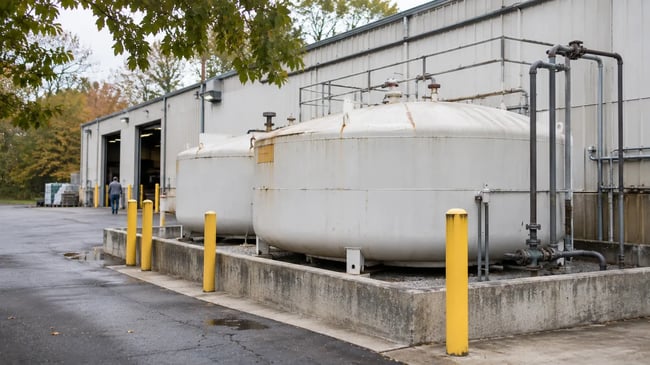
How Do You Stay SPCC Compliant After the Plan Is Done?
Most SPCC violations aren't about a missing plan. They're about a plan that sits in a binder while the facility does something different. Once the plan is in place, you owe it regular inspections, integrity testing on certain containers, annual training for oil-handling employees, records you can pull up when an inspector asks, and a plan review at least every five years. A plan doesn't expire after five years, but skipping the review is a common finding, and the five-year review rule explains what it requires.
If you'd like to see the year on paper, our SPCC compliance calendar lays it out month by month. The individual obligations each have their own guide: a printable monthly inspection checklist, integrity testing for bulk oil containers, recordkeeping, and annual training for oil-handling employees. We also offer an online training library if you'd rather not build the training yourself. For the stakes, the top SPCC violations and what the fines look like is a useful reality check.
What Happens to Your SPCC Plan When Your Facility Changes?
A plan describes your facility on the day it was written. When you add a tank, install a generator, replace old equipment, or cross a storage threshold, the plan has to catch up, and sometimes the planning needs to happen before the work does. Crossing 10,000 gallons of aboveground storage, for example, ends the option to self-certify, which we explain in our article on losing qualified facility status. The most common triggers each have a guide: expanding a facility, adding a backup generator, and replacing an old tank.
Ownership and operations change too. Buying or selling a facility with oil tanks raises questions about who holds the plan and who answers for the oil, and going idle or closing a site covers what happens to your obligations when operations stop. People change as well. When the author of a plan leaves, a plan that nobody on site understands won't hold up in an inspection, and our first-week checklist for inherited plans is built for that situation. If you've found a plan that's years past its review date, how exposed you are explains the risk and how to get current.
How Do You Choose Help With an SPCC Plan in New Jersey?
You have several options, and the cheapest one is usually a bad bet. You can write the plan yourself if you qualify, use an online service, hire a consulting firm, or bring in an engineer directly. Each works in some situations and fails in others, and our comparison of every option sets them side by side. Our view is simple. Hire the people who'll stand behind the plan during an inspection, and expect senior people to do the actual work instead of handing it off.
We'll also tell you when you don't need us. If you're a qualified facility with a simple site, EPA's template and a careful afternoon may be all it takes, and we've written walkthroughs for writing your own plan and completing EPA's template. The shortcuts deserve a hard look first, so read whether online SPCC plans are legit and whether AI can write one before you choose. RMA doesn't use AI to produce client deliverables, and we've explained why.
If you do decide to hire help, the signs you need outside help will confirm the call, and the red flags in an SPCC plan proposal will help you compare bids on what they cover rather than on the bottom line. What it's like to hire a consultant sets expectations for the process, and running compliance in-house versus paying a consultant every year helps if you're weighing ongoing costs.
How Can RMA Help You Buy the Right SPCC Plan in New Jersey?
RMA is a family-run firm based in New Jersey, and we've been helping facilities with environmental compliance since 1992. We can help you work out whether you need a plan, which type fits, what it should cost, and how to keep it current, and we'll say so plainly if a simpler path fits your facility better. Our SPCC plan service page explains how we work, and our SPCC resource center has the full library of articles beyond the ones in this guide.
If you've read a chapter or two and want to talk through your own site, you can call us, email us, or fill out the form on our website. There's no obligation. When you're ready, contact RMA and tell us what you're dealing with.